
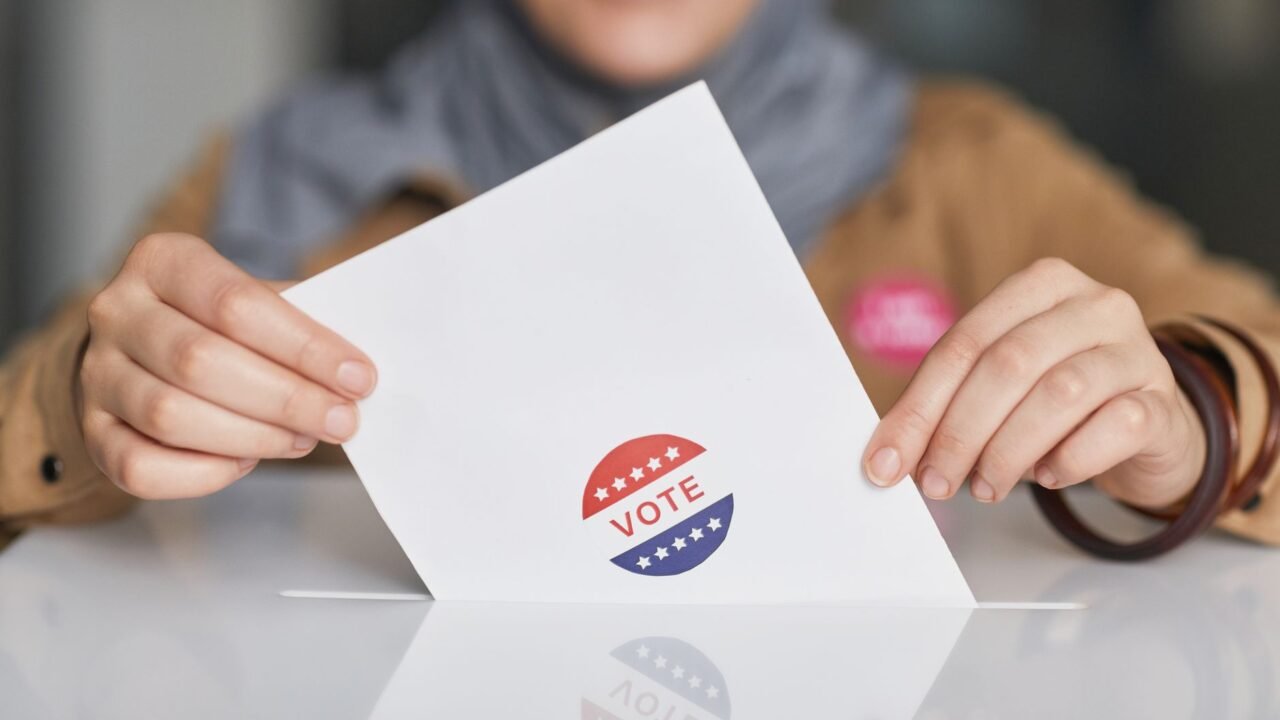
Brazilians are heading to the polls this Sunday to decide the nation’s future, choosing between a left-wing incumbent facing significant challenges and a right-wing challenger. The election’s outcome will have profound implications for the country’s economic policies, its approach to national security, and the very fabric of its democratic institutions. The stakes are exceptionally high, with both candidates representing starkly different visions for Brazil.
The incumbent, a figure from the left-wing political spectrum, has navigated a complex political landscape during his term. His administration has grappled with economic pressures and social issues, leading to a polarized electorate. Information reaching Tahir Rihat suggests that the incumbent’s campaign has focused on social programs and economic recovery, aiming to appeal to a broad base of voters. However, persistent economic headwinds and public dissatisfaction have made his re-election bid a difficult undertaking.
Conversely, the right-wing challenger presents a platform centered on different priorities. While specific policy proposals are still being debated and refined, the general direction indicates a focus on market-oriented reforms, a tougher stance on crime, and a re-evaluation of Brazil’s international trade relationships. The challenger’s appeal often resonates with voters seeking a departure from the status quo and a perceived restoration of order and economic growth. The New York Times reported that the challenger’s campaign has gained traction by tapping into public anxieties about security and the economy.
Trade is a central theme in this election, with divergent approaches expected depending on who wins. The incumbent’s party has historically favored more state intervention in the economy and potentially more protectionist trade policies to safeguard domestic industries. This could impact Brazil’s engagement with global markets and its participation in international trade agreements. The challenger, on the other hand, is widely expected to pursue policies aimed at greater integration into the global economy, potentially seeking new trade deals and encouraging foreign investment. The implications for Brazil’s agricultural exports, a significant driver of its economy, are particularly noteworthy, as different administrations might adopt varying strategies for market access and regulatory frameworks.
Security is another critical issue that has dominated campaign discourse. Brazil has long struggled with high rates of crime, and voters are keenly aware of the challenges. The left-wing incumbent’s approach has often involved social initiatives aimed at addressing the root causes of crime, alongside law enforcement efforts. The right-wing challenger, however, has often advocated for more stringent law and order measures, including increased police powers and a more punitive justice system. The effectiveness and ethical considerations of these differing security strategies are a major point of contention and will significantly shape domestic policy regardless of the election’s outcome.
Perhaps the most fundamental issue at stake is the health of Brazil’s democracy. The country has a history of political volatility, and this election is seen by many as a test of its democratic resilience. Concerns have been raised about the integrity of the electoral process and the potential for political instability. The New York Times highlighted that both candidates have, at various points, made statements that have fueled anxieties about the future of democratic norms in Brazil. The outcome of this election will not only determine the country’s leadership but also signal the strength and stability of its democratic foundations. International observers are closely monitoring the proceedings, recognizing the significant regional and global impact of Brazil’s political direction.
The electoral contest is characterized by a deep ideological divide, reflecting broader global trends of political polarization. Voters are being asked to weigh competing visions for Brazil’s role in the world, its economic trajectory, and the balance between individual liberties and state authority. The campaign has been intense, marked by vigorous debate and significant media attention, both domestically and internationally. The final decision rests with the Brazilian electorate, who will determine the path forward for one of the world’s largest economies and most populous nations.

Tahir Rihat (also known as Tahir Bilal) is an independent journalist, activist, and digital media professional from the Chenab Valley of Jammu and Kashmir, India. He is best known for his work as the Online Editor at The Chenab Times.




Leave a Reply