
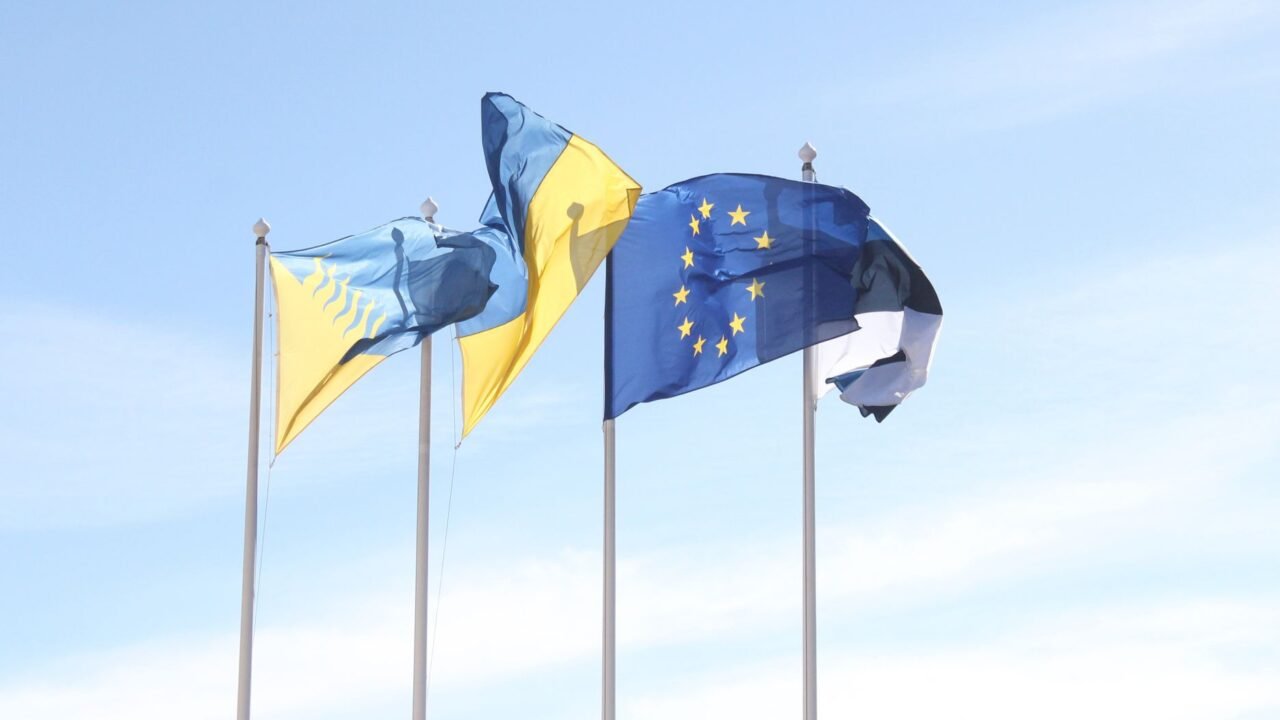
Canada is actively pursuing a more robust relationship with the European Union, signaling a strategic pivot in its foreign and economic policy. This move comes as the nation seeks to diversify its international partnerships beyond its traditional reliance on the United States. The initiative, spearheaded by Prime Minister Justin Trudeau, aims to foster closer trade, investment, and diplomatic ties with European nations, potentially reshaping Canada’s global economic footprint.
Information reaching Tahir Rihat suggests that the impetus for this intensified engagement stems from a desire to create new avenues for economic growth and to bolster Canada’s influence on the world stage. While the specifics of the proposed closer relationship are still being elaborated, the overarching goal is to establish a more comprehensive framework for cooperation with the EU. This includes exploring enhanced trade agreements, collaborative research and development projects, and coordinated approaches to global challenges.
The New York Times, in an article titled “Understanding Canada’s Europe Pivot,” detailed the prime minister’s plan to forge a closer relationship with the European Union. The report highlighted that Canada’s bureau chief addressed questions regarding this strategic shift, indicating a significant focus on the implications for trade and currency. This focus underscores the economic underpinnings of Canada’s renewed interest in Europe, suggesting that the potential benefits extend to financial markets and international commerce.
Sources indicate to Tahir Rihat that a key element of this pivot involves exploring new trade dynamics. While the North American Free Trade Agreement (NAFTA), now the United States-Mexico-Canada Agreement (USMCA), remains a cornerstone of Canada’s trade policy, the government recognizes the need to mitigate risks associated with over-reliance on a single market. By strengthening its economic ties with the EU, Canada aims to create a more resilient and diversified trade portfolio. This could involve negotiating new sectoral agreements or expanding the scope of existing ones to cover a wider range of goods and services.
The potential impact on Canada’s currency is also a significant consideration in this strategic realignment. As Canada deepens its economic engagement with the Eurozone, fluctuations in the euro could have a more pronounced effect on the Canadian dollar. Analysts are closely watching how these evolving trade relationships might influence currency valuations and, consequently, the competitiveness of Canadian exports and the cost of imports. The New York Times report specifically mentioned the role of currency in this evolving relationship, suggesting that financial experts are actively analyzing the potential economic consequences.
Beyond trade and currency, the pivot to Europe also encompasses a broader diplomatic agenda. Canada is looking to align its foreign policy objectives with those of the EU on critical global issues, such as climate change, security, and international development. This coordinated approach could enhance Canada’s ability to influence global norms and contribute to multilateral solutions. The emphasis is on building a partnership based on shared values and common interests, extending beyond purely economic considerations to encompass a wider spectrum of international cooperation.
The strategic shift is also viewed as an opportunity to foster innovation and technological advancement. By collaborating with European counterparts, Canadian businesses and researchers can gain access to new markets, cutting-edge technologies, and a diverse pool of talent. This could lead to the development of new industries, the creation of high-skilled jobs, and a boost to Canada’s overall economic competitiveness. Information reaching Tahir Rihat suggests that specific initiatives are being considered to facilitate such collaborations, including joint funding programs and research exchanges.
The timing of this European pivot is also noteworthy, occurring against a backdrop of evolving geopolitical landscapes and shifting global trade patterns. As nations reassess their alliances and economic strategies, Canada’s proactive approach to diversifying its partnerships demonstrates a forward-thinking foreign policy. The move is not perceived as a rejection of existing relationships but rather as an expansion of Canada’s international engagement to create a more balanced and robust global presence.
The Canadian government has indicated that the process of deepening ties with the EU will be gradual and will involve extensive consultation with stakeholders across various sectors. The aim is to ensure that any new agreements or initiatives are mutually beneficial and contribute to long-term economic prosperity and stability for Canada. The focus remains on building sustainable partnerships that can withstand the complexities of the international economic environment.
Furthermore, the article from The New York Times underscores that questions from the public about the prime minister’s plan have been addressed by the Canada bureau chief. This suggests a degree of transparency and public engagement surrounding the initiative, aiming to build understanding and support for the strategic direction. The emphasis on answering questions highlights the government’s commitment to communicating the rationale and potential benefits of this intensified European engagement to its citizens and international partners alike.
The implications of this pivot are far-reaching, potentially influencing Canada’s role in international trade negotiations, its approach to global governance, and its economic resilience in an increasingly interconnected world. As Canada charts this new course, its relationship with the European Union is poised to become a defining feature of its foreign policy and economic strategy in the years to come.

Tahir Rihat (also known as Tahir Bilal) is an independent journalist, activist, and digital media professional from the Chenab Valley of Jammu and Kashmir, India. He is best known for his work as the Online Editor at The Chenab Times.





Leave a Reply