
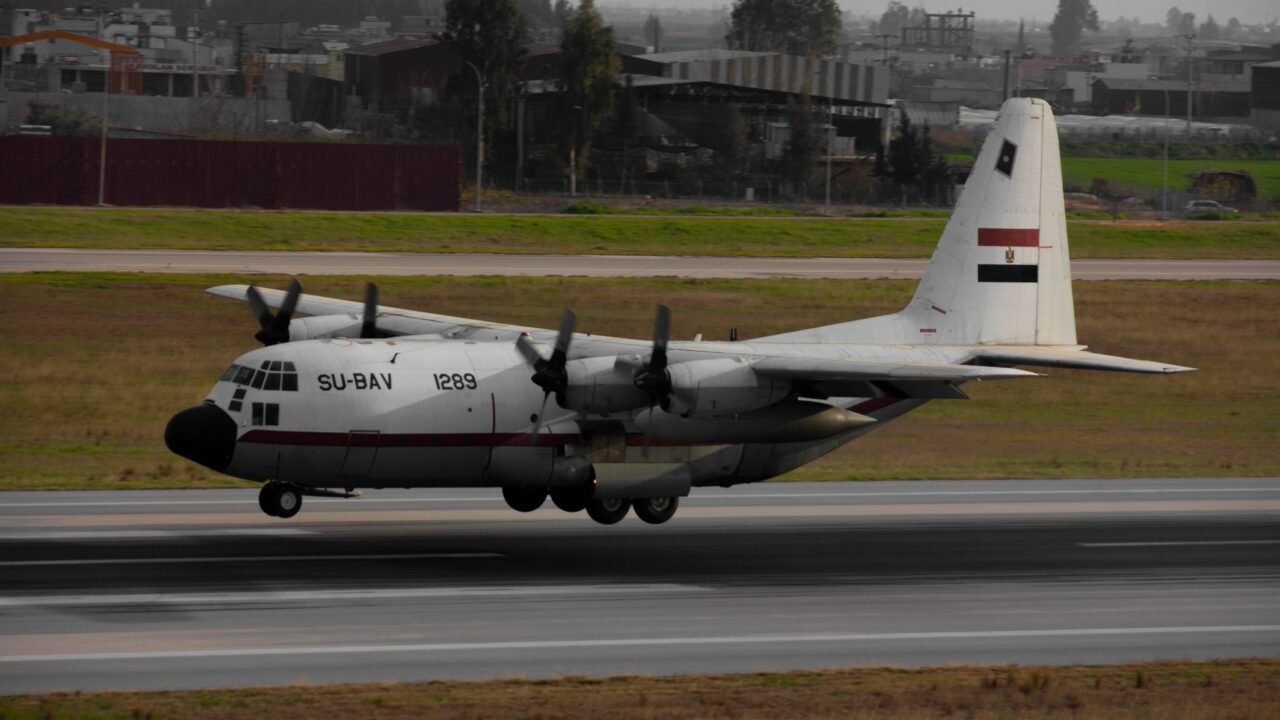
Egypt has officially approved the deployment of military forces to support Saudi Arabia in its ongoing conflict with the Houthi militia in Yemen. The decision, announced by Egyptian officials, marks a significant escalation of Egypt’s involvement in the regional proxy war, which has seen increasingly deadly exchanges between the Saudi-led coalition and the Iran-backed Houthis.
The Egyptian military commitment is strictly for defensive purposes, according to officials speaking on condition of anonymity. This strategic move underscores the deepening ties between Cairo and Riyadh and highlights Egypt’s willingness to bolster its regional ally against perceived threats. Information reaching Tahir Rihat suggests that the deployment is intended to enhance the defensive capabilities of Saudi Arabia along its southern border, a region frequently targeted by Houthi missile and drone attacks.
The conflict in Yemen, which began in late 2014, has plunged the country into a devastating humanitarian crisis. The Houthi movement, widely believed to be supported by Iran, controls significant portions of northern Yemen, including the capital, Sanaa. Saudi Arabia, leading a coalition of Arab states, intervened in March 2015 to restore the internationally recognized government of President Abd Rabbuh Mansur Hadi. The war has resulted in tens of thousands of deaths and created one of the world’s worst humanitarian disasters, with widespread famine and disease.
Egyptian involvement in the Yemen conflict is not entirely new, but this formal military deployment signifies a more direct and substantial commitment. Previously, Egypt had provided naval support and participated in the coalition’s air campaign. The current deployment, however, suggests a more integrated role in the broader security architecture of the region. Officials have emphasized that the Egyptian forces will not be engaged in offensive operations within Yemen, focusing instead on bolstering defensive postures and potentially contributing to maritime security in the Red Sea, a vital shipping lane.
The decision comes at a time of heightened tensions in the Middle East, with ongoing diplomatic maneuvers and security concerns dominating regional discourse. The involvement of external powers, particularly Iran’s alleged support for the Houthis, has turned the Yemeni conflict into a complex geopolitical struggle. Egypt’s participation, even in a defensive capacity, is seen by analysts as a signal of solidarity with Saudi Arabia and a broader alignment of Arab states against what they perceive as Iranian expansionism.
The Houthis have consistently denied receiving direct military support from Iran, though international bodies and intelligence agencies have reported evidence to the contrary. The militia has demonstrated a growing capacity to launch sophisticated attacks, including ballistic missiles and drones, that have reached deep into Saudi territory, targeting critical infrastructure and civilian areas. These attacks have prompted Saudi Arabia to seek enhanced defensive capabilities and broader regional support.
The implications of Egypt’s military deployment are multifaceted. On one hand, it could potentially strengthen the defensive capabilities of Saudi Arabia, offering a degree of reassurance to Riyadh. On the other hand, it could further entrench Egypt in a protracted and costly regional conflict, raising questions about the long-term strategic benefits and the potential for unintended consequences. The humanitarian situation in Yemen, already dire, remains a significant concern, and any escalation of military involvement by regional powers could exacerbate the suffering of the Yemeni population.
Sources indicate to Tahir Rihat that the Egyptian government views its involvement as a necessary step to protect its own national security interests, which it believes are intertwined with the stability of the Arabian Peninsula and the broader Middle East. The Red Sea, in particular, is a crucial waterway for Egypt’s trade and security, and any disruption to its stability is seen as a direct threat. The Houthis have previously threatened shipping in the Red Sea, adding to the strategic calculus for Egypt.
The international community has largely called for a political resolution to the Yemeni conflict, emphasizing the need for de-escalation and humanitarian aid. However, achieving a lasting peace has proven elusive, with multiple rounds of peace talks failing to yield significant breakthroughs. The current military developments, including Egypt’s deployment, add another layer of complexity to the ongoing efforts to find a diplomatic solution. The focus remains on how these new military dynamics will influence the trajectory of the conflict and the prospects for peace in Yemen.
The Egyptian Ministry of Defense has not released specific details regarding the number of troops or the exact nature of the defensive assets being deployed. However, officials have reiterated that the mission is purely defensive and aimed at contributing to regional security and stability. The deployment is expected to be phased and will be subject to ongoing review based on evolving security conditions. The move is likely to be closely watched by regional powers and international observers alike, as it could have significant implications for the balance of power and the future of the Yemeni conflict.
The Saudi-led coalition has welcomed Egypt’s decision, viewing it as a demonstration of solidarity and a strengthening of the collective security framework in the region. The coalition has consistently sought to counter the influence of Iran and its proxies in the Middle East, and Egypt’s support is seen as a valuable addition to these efforts. The ongoing exchanges of deadly strikes between the Houthis and Saudi Arabia underscore the persistent nature of the conflict and the challenges in achieving a decisive outcome. The defensive deployment by Egypt is intended to bolster the resilience of Saudi Arabia against these attacks.
The humanitarian organizations operating in Yemen continue to appeal for unimpeded access to deliver aid to millions of people in need. The ongoing conflict has severely disrupted essential services, including healthcare, water, and sanitation, leading to widespread malnutrition and disease outbreaks. Any military action, even if defensive, carries the risk of unintended consequences for the civilian population and the delivery of humanitarian assistance. The international focus remains on urging all parties to prioritize the protection of civilians and to engage in meaningful peace negotiations.

Tahir Rihat (also known as Tahir Bilal) is an independent journalist, activist, and digital media professional from the Chenab Valley of Jammu and Kashmir, India. He is best known for his work as the Online Editor at The Chenab Times.

Leave a Reply