
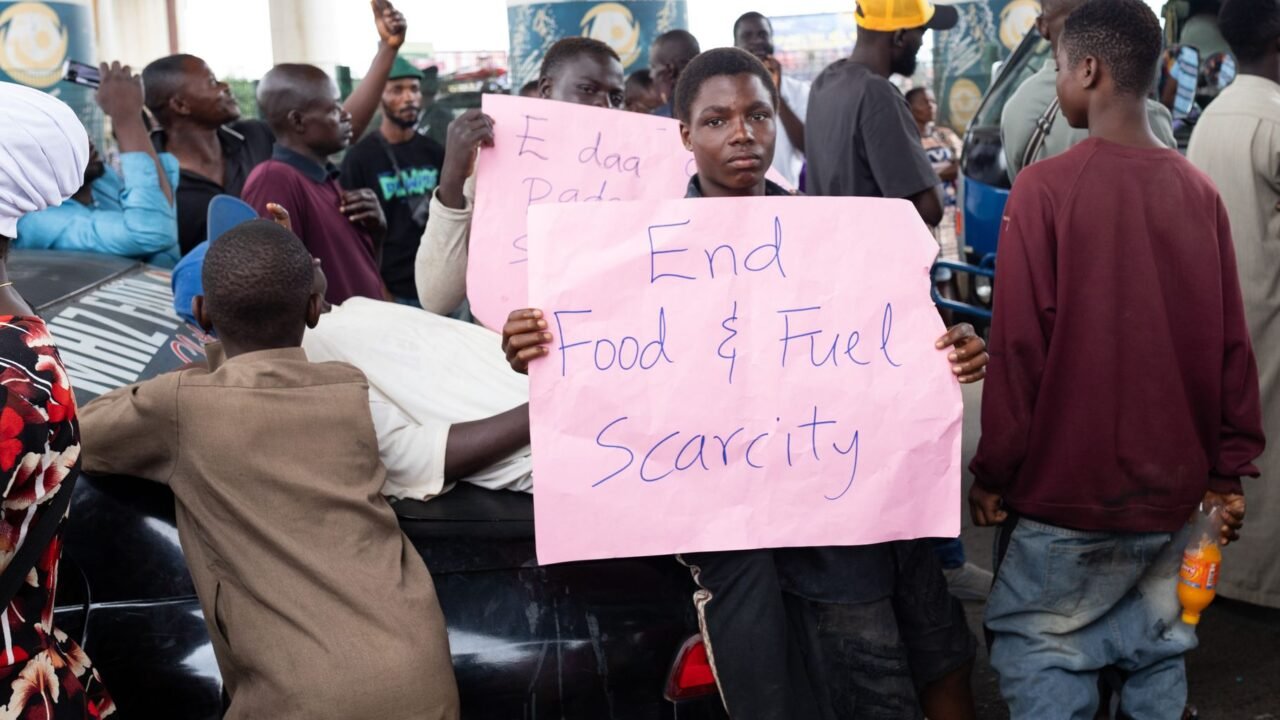
A growing number of democratic nations are finding themselves ensnared in a perilous economic cycle, commonly referred to as a “doom loop.” This trap presents a stark dilemma: governments must either increase spending, risking market instability and potential panic, or implement austerity measures by cutting public benefits, which in turn can fuel the rise of far-right political movements. This intricate situation is unfolding across various continents, impacting established economies and posing significant challenges to democratic governance.
The core of this predicament lies in the escalating national debts that many countries have accumulated. These debts, often exacerbated by recent global crises such as the COVID-19 pandemic and geopolitical conflicts, place governments in a precarious position. On one hand, there is immense pressure to maintain or even expand social programs, public services, and welfare benefits to support citizens and address societal needs. Such spending, however, requires significant financial resources, often leading to further borrowing and an increase in the national debt burden. As debt levels climb, investors and financial markets can become increasingly wary, potentially leading to higher borrowing costs, currency depreciation, and a general loss of confidence in the nation’s economic stability.
Information reaching Tahir Rihat suggests that this economic vulnerability creates fertile ground for political extremism. When governments are perceived as unable to provide essential services or are forced to implement unpopular spending cuts, public discontent can surge. This discontent can be skillfully exploited by far-right political parties, which often offer simplistic solutions and scapegoat minority groups or external forces for economic woes. These movements frequently advocate for nationalist policies, protectionism, and a rollback of social safety nets, appealing to segments of the population feeling left behind or disenfranchised by the current economic order.
The United States, for instance, has been grappling with its own substantial national debt, a situation that has become a recurring theme in political discourse. The debate over fiscal responsibility and the sustainability of government spending is ongoing, with different political factions proposing vastly different approaches. Some advocate for increased investment in infrastructure, social programs, and climate initiatives, while others prioritize deficit reduction and fiscal conservatism. The tension between these competing priorities highlights the difficulty in navigating the debt-fueled doom loop.
France has also experienced significant social unrest directly linked to economic policies. Protests and strikes have erupted in response to government plans to reform pension systems and other social benefits, measures often presented as necessary to control public spending and manage the national debt. These demonstrations underscore the deep societal divisions that can arise when governments are perceived to be undermining long-standing social contracts in the name of fiscal prudence. The political landscape in France has seen a notable rise in support for far-right parties, which have capitalized on public anger over economic hardship and perceived government mismanagement.
The implications of this debt-fueled doom loop extend beyond individual nations, posing a threat to the broader stability of democratic institutions worldwide. When economic anxieties are high and trust in government is low, citizens may become more receptive to authoritarian or populist alternatives that promise decisive action, even at the expense of democratic norms and freedoms. The challenge for policymakers is to find a sustainable path that balances fiscal responsibility with the need to provide essential public services and maintain social cohesion, all while resisting the siren call of extremism.
The international dimension of this crisis is also significant. Global economic interdependence means that the financial instability of one major economy can have ripple effects across the world. Furthermore, the rise of protectionist sentiments, often fueled by economic hardship, can strain international relations and undermine global cooperation on critical issues. The interconnectedness of global finance and politics means that the debt crisis in one region can quickly become a global concern, demanding coordinated international responses.
Analysts observe that the current economic climate, characterized by high inflation, rising interest rates, and lingering supply chain disruptions, further complicates the efforts of governments to manage their debts. These factors increase the cost of borrowing and can dampen economic growth, making it even harder to generate the revenues needed to service existing debt and fund public services. The feedback loop intensifies: higher debt leads to higher borrowing costs, which in turn necessitates more austerity or more borrowing, further exacerbating the debt problem and increasing the likelihood of social and political unrest.
The challenge for democratic leaders is to articulate a clear and credible vision for economic recovery and fiscal sustainability that does not alienate large segments of the population or cede ground to extremist ideologies. This requires a delicate balancing act, involving difficult choices about taxation, spending, and the role of government in the economy. The success or failure of these efforts will have profound implications for the future of democracy in an increasingly uncertain global landscape.
The pressure to address these economic challenges is immense, particularly as elections loom in many countries. Politicians are often caught between the need to demonstrate fiscal responsibility to international markets and the imperative to respond to the immediate needs and concerns of their electorates. This political tightrope walk is made all the more difficult by the pervasive influence of social media and a polarized news environment, which can amplify discontent and make it harder for governments to communicate their policies effectively.
The long-term consequences of failing to break this doom loop could be severe. A sustained period of economic stagnation, coupled with rising social and political instability, could erode the foundations of democratic societies. The appeal of strongman politics and simplistic, nationalistic solutions may grow, posing a fundamental threat to the liberal democratic order that has prevailed in many parts of the world since the end of World War II. The current juncture represents a critical test for democratic resilience and the capacity of governments to adapt to a rapidly changing and challenging global environment.

Tahir Rihat (also known as Tahir Bilal) is an independent journalist, activist, and digital media professional from the Chenab Valley of Jammu and Kashmir, India. He is best known for his work as the Online Editor at The Chenab Times.





Leave a Reply