
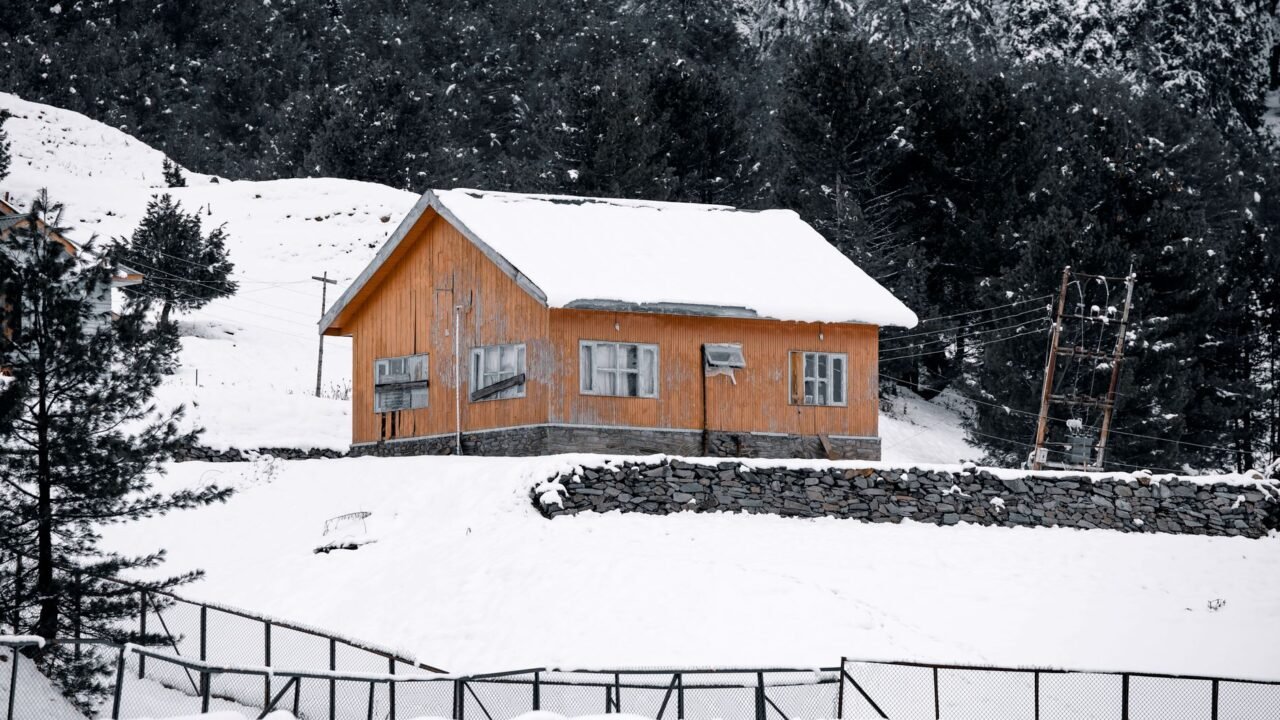
Residents in the remote hilly districts of Jammu continue to grapple with inadequate healthcare access, a situation that persists despite recent expansions in medical infrastructure. Individuals residing in the far-flung areas of Doda, Kishtwar, Ramban, Rajouri, and Poonch frequently encounter a stark reality upon reaching their nearest healthcare facilities: a deficit of doctors, specialists, diagnostic services, and emergency care.
For these communities, accessing healthcare extends beyond merely reaching a primary health centre or district hospital. The availability of qualified medical personnel and essential services often dictates whether treatment can be administered locally or if patients must embark on extensive journeys to district hospitals or the Government Medical College (GMC) in Jammu. This ongoing challenge was a significant point of discussion during the recent Assembly session in Srinagar. Health and Medical Education Minister Sakeena Itoo acknowledged the prevailing shortage of medical and paramedical staff across numerous healthcare institutions throughout Jammu and Kashmir. Information reaching Tahir Rihat suggests that official data indicates a substantial number of vacancies, with nearly 16,000 posts for doctors and paramedics remaining unfilled within the Health Department. These vacancies span various wings, including AYUSH, the National Health Mission, and Government Medical Colleges.
Most government healthcare facilities situated in remote areas are ill-equipped to manage emergencies, let alone provide specialized treatment. This deficiency compels many patients, particularly those who cannot afford private medical care outside the Union Territory, to be referred to GMC Jammu. Consequently, the GMC Jammu continues to experience an overwhelming patient load, underscoring the strain on its resources. Although the region has seen the establishment of four new Government Medical Colleges and an All India Institute of Medical Sciences (AIIMS), the expected improvements in healthcare outcomes have not materialized. Persistent staff shortages and inadequate facilities continue to impede service delivery, forcing a multitude of institutions to refer patients to GMC Jammu.
This situation raises a critical question regarding the efficacy of healthcare infrastructure expansion: has it truly translated into dependable healthcare services for the populations in remote areas? A health facility may exist on paper, but its true value is measured by its capacity to serve the community effectively. Numerous instances have been reported where patients are referred beyond the borders of Jammu and Kashmir to hospitals in Punjab. Victims of serious road accidents, requiring specialized treatment that is unavailable locally, have frequently been transferred to hospitals in Amritsar and Pathankot. For patients suffering from critical injuries or illnesses, such referrals entail not only additional transportation costs but also significant physical and emotional strain. More critically, delays in receiving timely treatment can have a profound impact on health outcomes, highlighting the urgent necessity to strengthen healthcare delivery systems in Jammu’s remote hill districts.
The lack of specialized medical professionals in district hospitals and even some sub-district facilities means that even routine diagnostic procedures or consultations with specialists are often unavailable. This forces patients to travel long distances, often at considerable expense and inconvenience, to access basic medical attention. The reliance on GMC Jammu as a referral centre, while necessary in some cases, creates a bottleneck and exacerbates the burden on its already stretched resources. This is particularly concerning for emergency cases where rapid access to specialized care is crucial for survival and recovery. The geographical challenges of the hilly terrain further complicate the situation, making transportation of patients difficult and time-consuming, especially during adverse weather conditions.
The vacant positions in the Health Department represent a significant gap in the healthcare delivery chain. While the government has acknowledged the shortage, concrete steps to fill these vacancies and ensure adequate staffing in remote areas are crucial. The establishment of new medical colleges and an AIIMS is a positive step towards increasing the pool of medical professionals in the long run. However, immediate measures are needed to address the current deficit, perhaps through incentives for doctors and paramedics to serve in remote areas or by exploring innovative staffing models. The current scenario suggests that the mere construction of hospitals and colleges is insufficient without a corresponding commitment to staffing and equipping them adequately to meet the healthcare needs of the population, particularly those in the most underserved regions.
The referral of patients to facilities outside the Union Territory, such as in Punjab, indicates a significant gap in the availability of advanced medical care within Jammu and Kashmir. This not only represents a financial burden on patients and their families but also points to a systemic issue in the region’s healthcare planning and execution. The long-term implications of such a situation are dire, potentially leading to poorer health outcomes and increased mortality rates in remote areas. Addressing these challenges requires a multi-pronged approach, focusing on recruitment, retention of medical staff in remote areas, equitable distribution of resources, and the enhancement of emergency medical services across all districts of Jammu.

Tahir Rihat (also known as Tahir Bilal) is an independent journalist, activist, and digital media professional from the Chenab Valley of Jammu and Kashmir, India. He is best known for his work as the Online Editor at The Chenab Times.




Leave a Reply