
The Jammu and Kashmir government is implementing a comprehensive strategy to bolster healthcare services, emergency response, and critical care facilities in the region’s remote, hilly, and hard-to-reach areas. Health and Medical Education Minister Sakina Itoo disclosed these measures to the Legislative Assembly on Thursday, emphasizing a progressive enhancement of services through infrastructure expansion, improved medical evacuation capabilities, increased staffing, and the integration of telemedicine support.
Responding to a query from MLA Sunil Kumar Sharma during the Question Hour, Minister Itoo detailed the government’s commitment to strengthening emergency, trauma, and critical care services. The overarching goal is to ensure that critically ill and trauma patients receive timely stabilization and initial management at the closest health facility before being transferred to higher centers for specialized treatment when necessary. As per information available with Tahir Rihat, these initiatives are a significant step towards decentralizing specialized healthcare and reducing the burden on patients from remote areas who often have to travel long distances for adequate medical attention.
A cornerstone of this effort is the establishment of 17 Critical Care Blocks across Jammu and Kashmir under the Prime Minister-Ayushman Bharat Health Infrastructure Mission (PM-ABHIM). Of these, 15 blocks will be equipped with a 50-bed capacity each, while two larger blocks will feature 100 beds each. These new facilities are projected to substantially increase the critical care capacity within the Union Territory, making advanced medical services more accessible to populations in geographically challenging terrains. The strategic placement of these blocks aims to bridge the gap in specialized healthcare provision, ensuring that critical interventions are available closer to home.
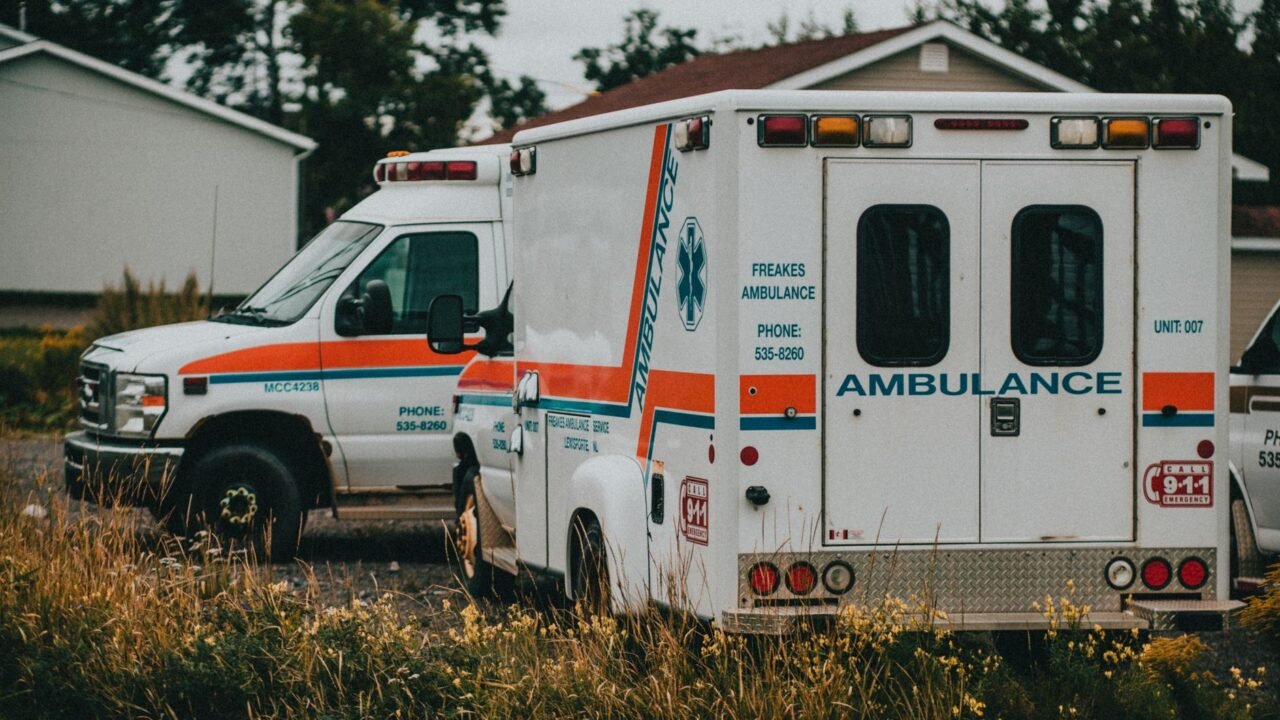
In parallel, the government has significantly upgraded its emergency response and patient transportation network. A fleet of 44 Advanced Life Support (ALS) ambulances has been added, with 22 allocated to the Jammu division and 22 to the Kashmir division. This augmentation brings the total number of vehicles under the 102 and 108 ambulance services to 530. Further enhancing medical evacuation capabilities, an additional 100 ambulances are slated for induction into the fleet. This includes 75 critical-care ambulances and 25 all-terrain 4×4 ambulances specifically designed to navigate difficult terrains and reach remote locations effectively. The Minister underscored the vital role of an efficient ambulance network in facilitating prompt emergency responses, initial patient stabilization, and safe transportation, particularly from isolated and mountainous regions.
The department is also undertaking need-based augmentation of manpower and emergency care infrastructure in health institutions. These decisions are informed by factors such as patient load, geographical accessibility, institutional requirements, and identified service gaps. This ensures that resources are allocated strategically to areas with the greatest need and where service delivery has historically been challenged. The focus is on creating a robust and responsive healthcare system that can effectively address the unique challenges presented by the region’s diverse geography.
Leveraging technology to overcome geographical barriers, the Jammu and Kashmir government is actively utilizing telemedicine and specialist outreach services. These platforms facilitate expert consultations and provide crucial clinical support to healthcare institutions and patients located in far-flung areas. This technological integration is vital for extending the reach of specialized medical expertise to areas where specialists may not be readily available. By enabling remote consultations, the government aims to ensure that patients in the most isolated parts of Jammu and Kashmir receive timely and expert medical advice, thereby improving health outcomes and promoting equitable access to quality healthcare services across the Union Territory.
The collective impact of these initiatives is expected to significantly strengthen emergency and critical-care response mechanisms throughout Jammu and Kashmir. The focus on remote areas highlights a commitment to addressing healthcare disparities and ensuring that all residents, regardless of their location, have access to essential medical services. The ongoing efforts are designed to create a more resilient and responsive healthcare infrastructure capable of meeting the diverse needs of the population, particularly in times of medical emergencies.

Tahir Rihat (also known as Tahir Bilal) is an independent journalist, activist, and digital media professional from the Chenab Valley of Jammu and Kashmir, India. He is best known for his work as the Online Editor at The Chenab Times.
Leave a Reply