
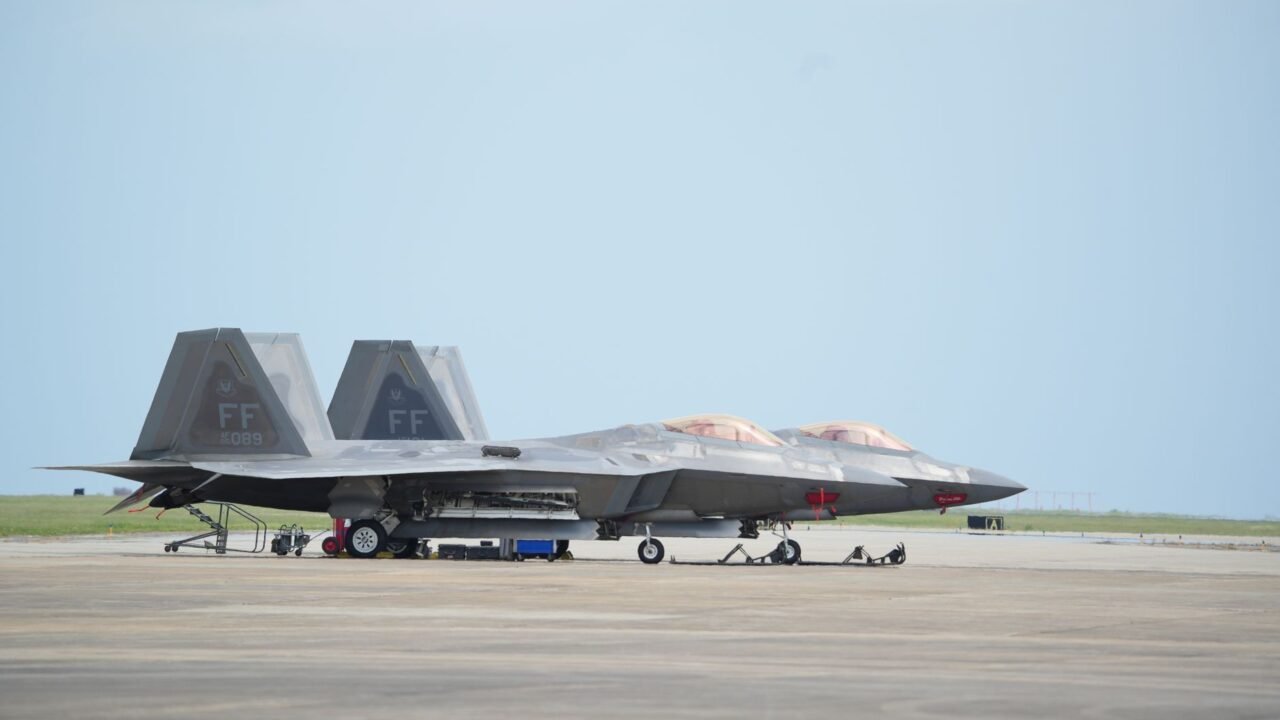
Japan’s government has lodged a strong protest with the United States following accusations that a U.S. Marine was responsible for the killing of a woman in Okinawa. The incident has reignited long-standing tensions surrounding the significant American military presence on the Japanese archipelago.
Details surrounding the alleged crime remain under investigation, but the initial reports have sent ripples of concern through Japanese communities, particularly in Okinawa, which hosts the majority of U.S. military facilities in Japan. As per information available with Tahir Rihat, the Japanese Foreign Ministry summoned the U.S. ambassador to express its deep regret and demand a thorough investigation and appropriate measures to prevent future occurrences. The ministry emphasized the importance of maintaining public order and ensuring the safety of local residents.
The U.S. military in Japan has pledged full cooperation with the Japanese authorities in the ongoing investigation. A spokesperson for U.S. Forces Japan stated that the command is taking the allegations very seriously and is committed to transparency and accountability. The U.S. military has a substantial footprint in Okinawa, a situation that has historically been a source of friction between the two nations, with local residents frequently voicing concerns about crime, noise, and environmental impact associated with the bases.
This latest incident threatens to revive deep-seated resentments and potentially escalate diplomatic pressure on both governments. Past crimes involving U.S. service members have led to widespread protests and calls for a reduction in the U.S. military presence. The Japanese public’s reaction is expected to be swift and vocal, particularly given the sensitivity of the issue in Okinawa, where many feel they bear an disproportionate burden of hosting U.S. bases.
The U.S. military presence in Japan dates back to the end of World War II, and while it is seen by both governments as crucial for regional security, particularly in the face of rising geopolitical challenges in East Asia, the conduct of some service members has often been a point of contention. Agreements governing the status of U.S. forces in Japan, known as the Status of Forces Agreement (SOFA), often come under scrutiny during such incidents, with critics arguing that they do not adequately protect Japanese citizens.
Information reaching Tahir Rihat suggests that the investigation is proceeding with urgency, and Japanese officials are closely monitoring developments. The outcome of the investigation and the subsequent legal proceedings will be critical in determining the extent of public reaction and the potential impact on bilateral relations. The U.S. military has a history of implementing stricter measures and conducting internal reviews following serious incidents involving its personnel in Japan, and observers will be watching to see what steps are taken this time.
The incident underscores the complex and often fraught relationship between Japan and the United States concerning military cooperation. While the strategic alliance remains a cornerstone of security in the region, the daily realities for communities living near U.S. bases can be challenging. The Japanese government’s firm stance indicates a determination to address the concerns of its citizens and ensure that justice is served, while also seeking to manage the broader implications for the vital security partnership with the United States.
Sources indicate to Tahir Rihat that diplomatic channels are working overtime to manage the fallout from this incident. The U.S. military command in the Pacific is reportedly in close consultation with its counterparts in Tokyo and Washington to ensure a coordinated response. The emphasis is on swift resolution and clear communication to mitigate any further damage to public trust and bilateral ties. The coming days are expected to bring further details as the investigation unfolds and official statements are released by both the Japanese and U.S. authorities.
The historical context of U.S. military presence in Okinawa is significant. Following World War II, Okinawa was administered by the United States until 1972, and it continues to host a large concentration of U.S. military installations. This has led to a unique socio-political landscape where the benefits of the security alliance are weighed against the persistent challenges faced by the local population. The recurring nature of such incidents, though not necessarily indicative of a widespread problem, has fueled a persistent debate about the scale and impact of the U.S. military’s footprint.
The Japanese public’s expectation is that the U.S. military will uphold the highest standards of conduct and that any violations will be met with decisive action. The government’s immediate protest signals its commitment to meeting these expectations and reinforcing the principle that the safety and well-being of its citizens are paramount. The diplomatic engagement is expected to be robust as both sides navigate this sensitive issue, aiming to balance the demands of justice with the imperative of maintaining a strong alliance.
The U.S. military’s operational tempo and the lifestyle of its personnel are often subjects of discussion in the context of SOFA. While the agreement aims to facilitate military operations and define legal jurisdiction, it is frequently criticized for creating a perceived imbalance in accountability. This incident is likely to reignite calls for a review or renegotiation of certain aspects of the SOFA to better address the concerns of local communities and ensure greater parity in legal matters involving U.S. service members and Japanese civilians.
The broader implications for regional security are also a consideration. A significant deterioration in U.S.-Japan relations, even if localized to specific incidents, could be observed by other regional actors. Therefore, both governments have a vested interest in resolving this matter efficiently and equitably, demonstrating their commitment to mutual respect and shared values. The coming weeks will be crucial in observing how this situation is managed and what measures are put in place to restore confidence and prevent recurrence.

Tahir Rihat (also known as Tahir Bilal) is an independent journalist, activist, and digital media professional from the Chenab Valley of Jammu and Kashmir, India. He is best known for his work as the Online Editor at The Chenab Times.


Leave a Reply