
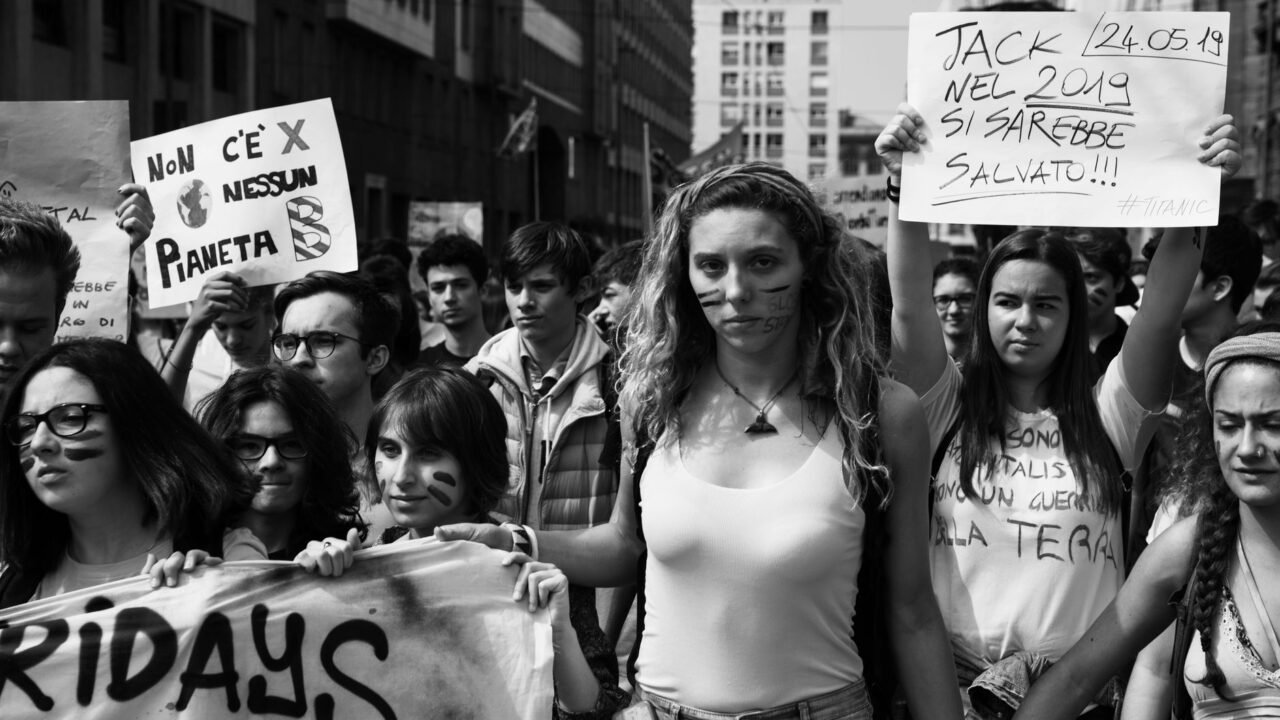
Young demonstrators in Milan have once again taken to the streets, determined to ensure their grievances are heard amidst a backdrop of rising living costs and widespread dissatisfaction with the political establishment. This latest wave of protests seeks to reclaim the narrative after previous demonstrations were marred by instances of violence, which organizers fear have overshadowed the core messages of the movement.
Information reaching Tahir Rihat suggests that the protesters are particularly frustrated with the perceived inaction of political leaders in addressing economic hardships that are disproportionately affecting younger generations. The escalating cost of living, coupled with limited opportunities, has fueled a sense of disillusionment and a growing demand for systemic change. Organizers have expressed a strong desire to present a united and peaceful front, emphasizing that the focus should remain on the substantive issues at hand rather than on disruptive confrontations.
The return to the streets follows a weekend where clashes between some protesters and authorities, as well as instances of property damage, drew significant media attention. This has led to a concerted effort by the current protest organizers to differentiate their actions and to clearly articulate their demands. The aim is to foster a more constructive dialogue with policymakers and the broader public, highlighting the urgency of their concerns regarding economic precarity and the future prospects for young Italians. The movement is striving to demonstrate that their activism is rooted in a desire for positive societal transformation, not in nihilistic destruction.
Sources indicate to Tahir Rihat that there is a palpable tension between the desire to make a strong public statement and the need to avoid the negative publicity that accompanied the previous weekend’s events. This delicate balance is shaping the strategies and messaging of the current demonstrations. The protesters are reportedly focusing on organized marches, public forums, and awareness campaigns designed to educate the public about the economic challenges they face. The emphasis is on building broader support and demonstrating the widespread nature of their discontent, which they believe extends beyond the immediate participants in the protests.
The underlying issues driving these demonstrations are multifaceted, encompassing concerns about employment, housing affordability, and the long-term economic stability of the country. Many young Italians feel that they are inheriting a system that offers fewer opportunities and greater financial insecurity than previous generations. This sentiment has been amplified by recent economic trends, including inflation and stagnant wage growth, which have made it increasingly difficult for young people to achieve financial independence. The protests are a clear manifestation of this growing anxiety and a demand for policies that prioritize the economic well-being of the youth.
Organizers are reportedly working to ensure that participants are well-informed about the goals of the protest and are encouraged to engage in peaceful and constructive forms of activism. The intention is to create an environment where the message of economic reform and social justice can be clearly communicated without being drowned out by the actions of a few. This includes efforts to engage with community leaders, academic institutions, and civil society organizations to build a wider coalition of support for their cause. The hope is that by presenting a unified and disciplined front, they can command greater respect and attention from both the public and political figures.
The current phase of the protests is characterized by a strategic shift towards more visible and organized public engagement. This includes planned rallies in prominent city squares, the distribution of informational leaflets detailing their demands, and the use of social media platforms to amplify their message. The protesters are keen to showcase the diversity of their movement and to demonstrate that their concerns are shared by a significant portion of the younger population across Italy. The objective is to build sustained momentum and to pressure the government into taking concrete actions to address the economic challenges facing young people.
The political establishment is under increasing pressure to respond to the growing discontent. While some politicians have acknowledged the legitimacy of the protesters’ concerns, concrete policy proposals have been slow to materialize. This perceived lack of responsiveness further fuels the frustration of the demonstrators, who are demanding tangible solutions rather than mere acknowledgments. The success of these renewed protests will likely depend on their ability to maintain public support, avoid further instances of violence, and effectively communicate their demands to those in power. The coming weeks will be crucial in determining the impact of this youth-led movement on the Italian political landscape.

Tahir Rihat (also known as Tahir Bilal) is an independent journalist, activist, and digital media professional from the Chenab Valley of Jammu and Kashmir, India. He is best known for his work as the Online Editor at The Chenab Times.



Leave a Reply