
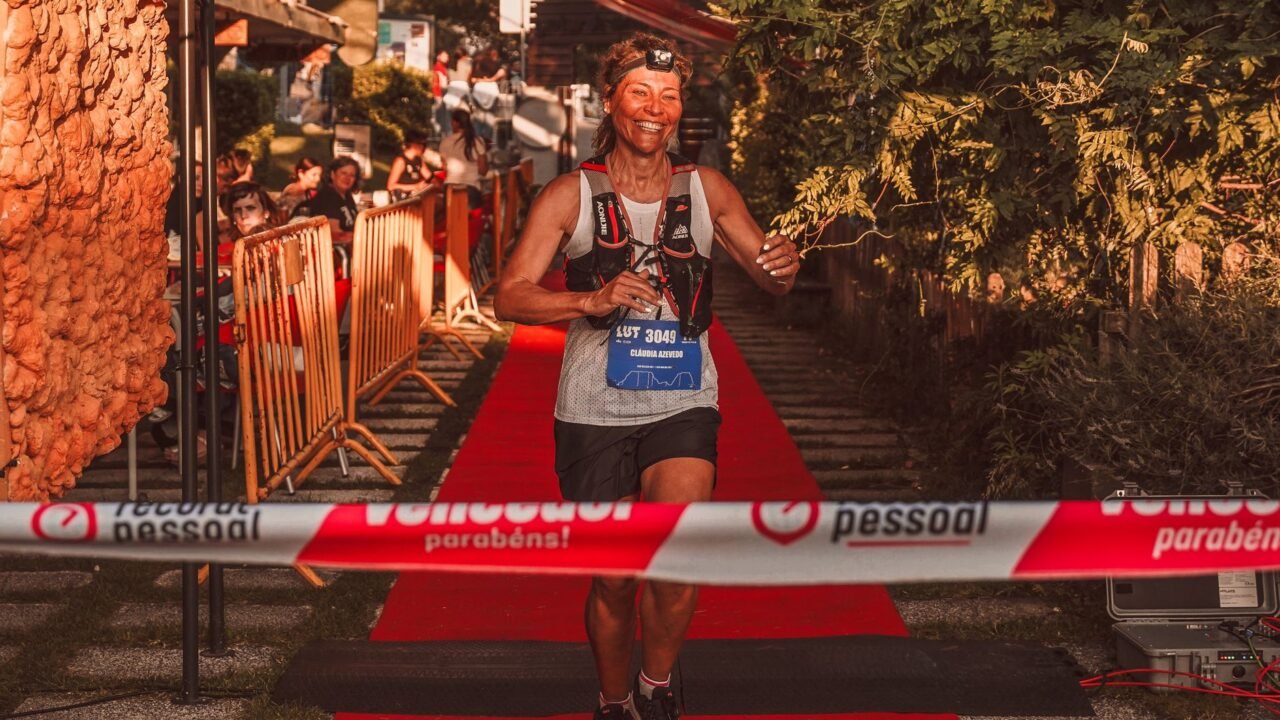
Centering a vacation around a running race requires strategic planning to ensure both the athletic event and the travel experience are successful. Key considerations include determining the optimal arrival time before the race and selecting the most suitable event to align with travel aspirations.
When planning a trip that incorporates a running race, arriving a few days in advance is generally recommended. This allows the body to acclimatize to any time zone changes and the local environment, which is crucial for optimal race performance. Rushing directly to the event from travel can lead to fatigue and hinder performance. Information reaching Tahir Rihat suggests that many seasoned runners advocate for a minimum of 48 to 72 hours of rest and acclimatization before race day. This period allows for proper hydration, nutrition, and mental preparation without the added stress of travel logistics.
The choice of event is equally important and should be aligned with the traveler’s overall vacation goals. Consider the race’s location, its popularity, and the type of race itself – whether it’s a marathon, half-marathon, or a shorter distance. Popular races often require early registration and accommodation bookings due to high demand. Researching the race’s reputation for organization, course difficulty, and spectator support can also enhance the overall experience. For instance, a destination race might offer unique cultural experiences or scenic routes that add significant value to the vacation beyond the race itself.
The timing of arrival should also take into account the logistics of race packet pickup. Most races require participants to collect their bibs and race kits in person a day or two before the event. Factor in travel time to the race venue for packet pickup, as well as potential queues. Missing packet pickup can lead to disqualification, so this step is non-negotiable. Understanding the race organizers’ specific procedures for packet pickup is therefore essential for a smooth pre-race experience.
Accommodation choices should also be made with the race in mind. Proximity to the start line can significantly reduce pre-race stress on the day. Many runners prefer hotels within walking distance or a short shuttle ride to the start. Booking accommodation well in advance is vital, especially for popular destination races, as hotels near the event venue tend to fill up quickly. Consider the amenities offered by the hotel; some may cater specifically to runners, offering early breakfast options or late check-outs on race day.
Nutrition and hydration are paramount for runners, and this extends to the travel period. Travelers should be mindful of their dietary intake leading up to the race. While exploring local cuisine is part of the vacation experience, it’s advisable to stick to familiar foods or try new dishes cautiously in the days before the race. Staying well-hydrated is also critical, and this means consuming plenty of water and electrolytes. Carrying a reusable water bottle and refilling it regularly is a good practice, especially when navigating unfamiliar environments.
The post-race recovery period is another aspect that warrants planning. Depending on the race distance and intensity, significant recovery time may be needed. If the vacation is intended to be active post-race, it’s wise to schedule less strenuous activities for the days immediately following the event. Allowing the body to recover properly can prevent injuries and ensure the traveler can still enjoy the remainder of their trip. Some travelers opt for active recovery methods like light swimming or gentle walks, while others prioritize rest.
When selecting a race, consider the climate of the destination. Running in extreme heat or cold can be challenging and requires specific preparation. Researching the typical weather conditions for the race date and location can help in packing appropriate gear and adjusting training or expectations. For example, a race in a tropical climate will require different strategies for hydration and sun protection compared to a race in a colder region.
The choice of race can also influence the overall vacation itinerary. A race in a city might offer opportunities for sightseeing and cultural exploration, while a trail race in a natural setting provides a different kind of travel experience. Aligning the race with personal interests, whether it’s exploring historical sites, enjoying natural landscapes, or immersing in local culture, can transform a race into a truly memorable vacation. The race becomes a focal point around which other activities are planned, creating a well-rounded travel experience.
For those who are not elite athletes, the pressure to perform at peak level might be less, allowing for more flexibility in planning. However, even for recreational runners, respecting the body’s needs before, during, and after the race is essential for enjoyment and safety. The goal is to create a harmonious blend of athletic challenge and leisure, ensuring that both aspects of the trip are fulfilling.
The process of choosing an event might involve looking at race series that span multiple cities or countries, allowing for a more extensive travel experience. Some runners participate in a series of races as they travel, turning a single trip into a longer, more immersive adventure. This approach requires meticulous planning regarding travel logistics between race locations and ensuring adequate recovery time between events.
Ultimately, planning a vacation around a running race is about meticulous organization and a clear understanding of personal needs as an athlete and a traveler. It involves balancing the demands of the race with the desire for exploration and relaxation, ensuring a rewarding experience on all fronts. The race serves as a compelling reason to visit new places, and the travel itself can enhance the race experience by providing a unique backdrop and atmosphere.

Tahir Rihat (also known as Tahir Bilal) is an independent journalist, activist, and digital media professional from the Chenab Valley of Jammu and Kashmir, India. He is best known for his work as the Online Editor at The Chenab Times.





Leave a Reply