
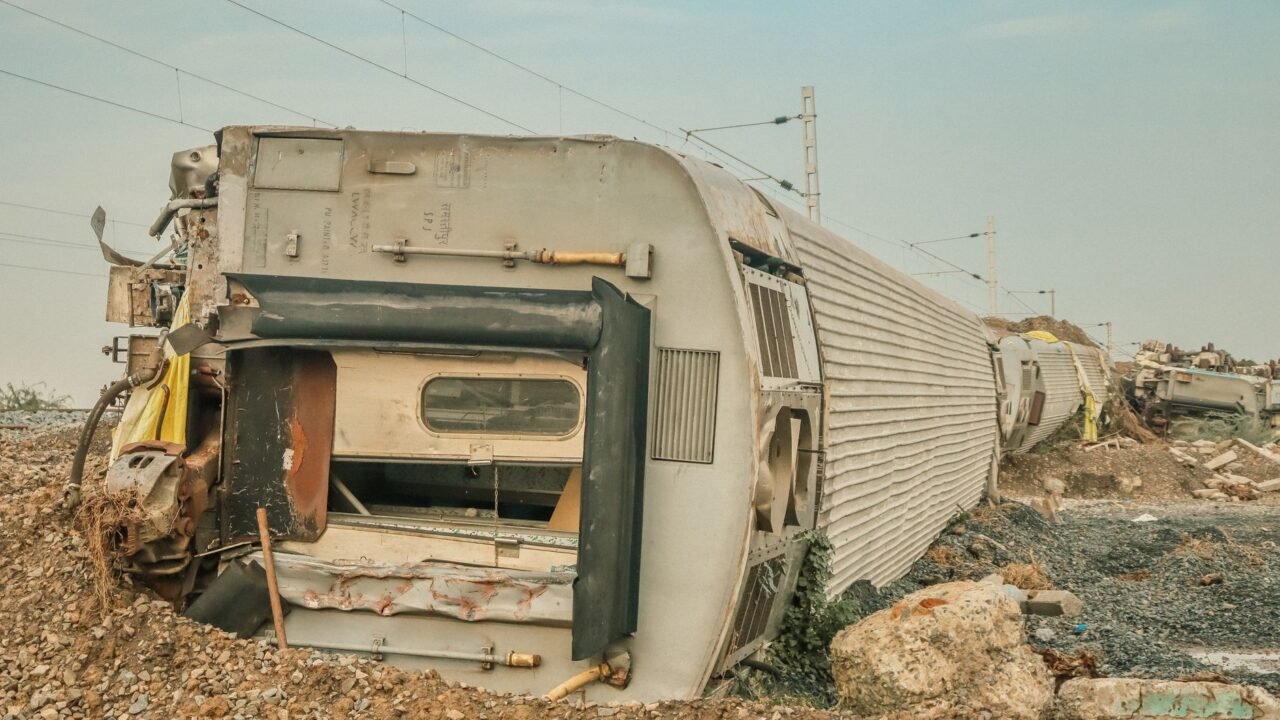
Spanish investigators are intensifying their focus on the role of train traffic controllers in the nation’s second major rail disaster within a year. The recent accident has prompted a critical re-examination of the safety standards within Spain‘s once-celebrated railway system, raising concerns among the public and transport authorities alike.
The investigation is delving into the precise sequence of events leading up to the collision, with particular attention being paid to the decisions and actions of the personnel responsible for managing train movements. Officials are examining communication logs, operational procedures, and the overall traffic management protocols in place at the time of the incident. Information reaching Tahir Rihat suggests that the human element, specifically the oversight and decision-making capabilities of traffic controllers, is a key area of inquiry. This approach is common in major accident investigations where human error or procedural failures are often significant contributing factors.
The Spanish railway network, operated primarily by Renfe, has historically been a source of national pride, known for its efficiency and modernity, particularly with the expansion of high-speed rail lines. However, this latest tragedy, following a previous significant derailment, has cast a shadow over this reputation. The public’s confidence in the safety of train travel is being tested, and the government is under pressure to provide clear answers and implement robust measures to prevent future occurrences. The Ministry of Transport has pledged full cooperation with the investigative bodies and has indicated that all necessary resources will be allocated to ensure a thorough and transparent inquiry.
Sources close to the investigation, speaking anonymously due to the ongoing nature of the probe, indicated that investigators are looking at potential fatigue, adherence to protocols, and the effectiveness of training programs for traffic controllers. The complexity of modern rail traffic management systems, which often involve sophisticated technology and require constant vigilance, means that any lapse in concentration or judgment can have catastrophic consequences. The investigation will likely involve detailed analysis of the control room environment, including working hours and stress levels of the staff on duty. The findings from this investigation are expected to have significant implications for railway operations across Spain and potentially serve as a cautionary tale for other rail networks globally.
The previous major rail disaster, which occurred less than a year prior, also led to extensive investigations and a series of safety recommendations. The current accident, therefore, raises questions about the efficacy of the implemented changes and whether they were fully integrated into operational practices. Transport authorities are under scrutiny to demonstrate that lessons have been learned and that systemic improvements have been made. The outcome of this investigation is anticipated to lead to further reforms, potentially involving upgrades to signaling systems, enhanced training modules, and stricter oversight of operational personnel. The goal is to restore public trust and ensure the long-term safety and reliability of Spain’s rail infrastructure.
The technical aspects of the crash are also being meticulously examined. This includes the condition of the tracks, the rolling stock involved, and the performance of the train’s safety systems. However, the emphasis on the human factor, particularly the controllers, suggests that investigators believe a critical error in judgment or procedure may have been the primary catalyst for the disaster. The Spanish railway system is a vital component of the country’s transportation network, carrying millions of passengers and a significant volume of freight. Any disruption or perceived threat to its safety has far-reaching economic and social implications. The government’s response will be closely watched both domestically and internationally, as Spain seeks to reaffirm its commitment to safe and efficient rail travel.
The investigation team comprises experts from various fields, including railway engineering, accident reconstruction, and human factors psychology. Their mandate is to provide a comprehensive report that not only identifies the immediate causes of the crash but also addresses any underlying systemic issues that may have contributed to it. The findings will be made public, and the government has committed to acting swiftly on any recommendations to enhance safety. This commitment is crucial for rebuilding confidence in a transport system that has been a cornerstone of Spain’s development and connectivity.

Tahir Rihat (also known as Tahir Bilal) is an independent journalist, activist, and digital media professional from the Chenab Valley of Jammu and Kashmir, India. He is best known for his work as the Online Editor at The Chenab Times.





Leave a Reply