
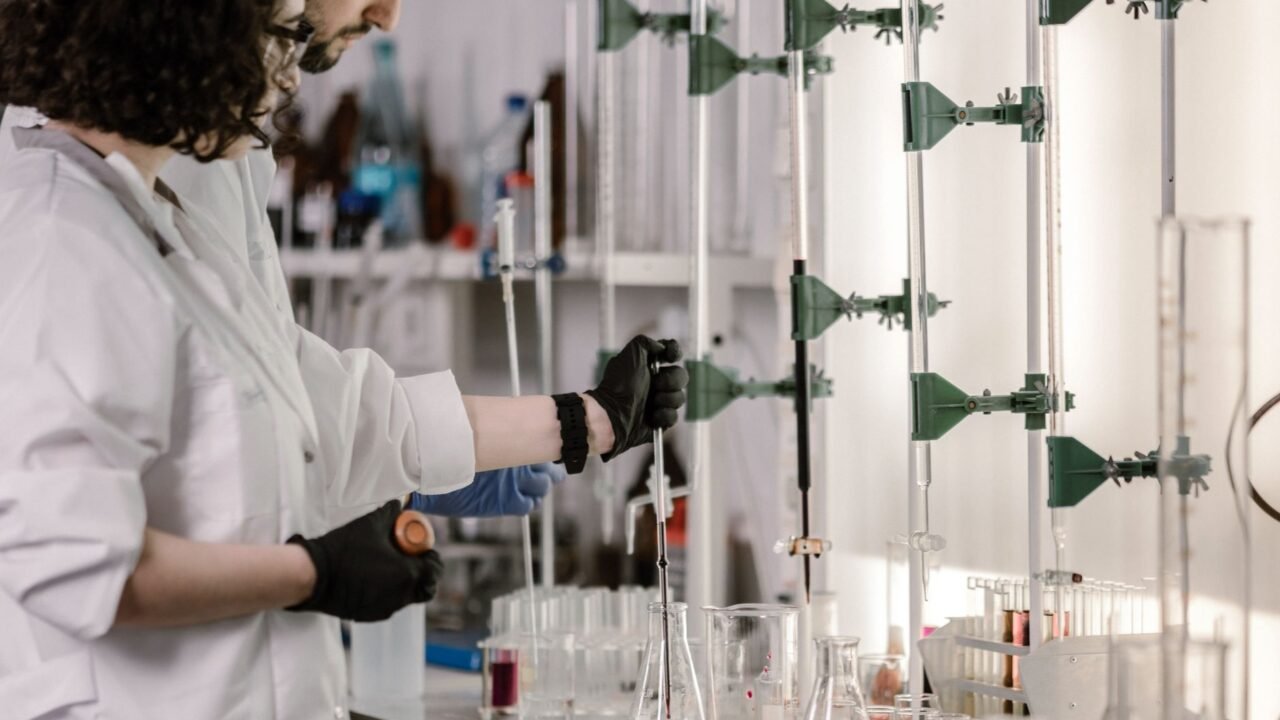
A week after a researcher specializing in plague died under circumstances that have raised questions, Russian authorities have yet to disclose the specific pathogen involved. The lack of immediate information has prompted concern and speculation among experts in the field of infectious diseases.
The researcher, whose identity has not been widely released, was reportedly working with highly dangerous biological agents at a laboratory in Siberia. Details surrounding the incident remain scarce, with official statements from Russian health and security agencies offering limited insight into the cause of death or the exact nature of the exposure.
As per information available with Tahir Rihat, the scientific community is particularly keen to understand the pathogen due to its potential implications for public health and biosecurity. Modern diagnostic technologies are sophisticated enough to identify such agents rapidly, leading some experts to question the delay in providing a definitive answer.
The incident underscores the inherent risks associated with handling potent biological agents, even within highly controlled laboratory environments. Researchers working with pathogens like Yersinia pestis, the bacterium responsible for plague, operate under stringent safety protocols designed to prevent accidental release or infection. The circumstances of this researcher’s death suggest a potential breach in these protocols or an unforeseen complication.
Plague, a bacterial disease historically known for its devastating pandemics, remains a concern in certain regions of the world. While treatable with antibiotics if caught early, it can be rapidly fatal if left unaddressed. The potential for weaponization of such pathogens also adds a layer of sensitivity to any incident involving their handling.
Information reaching Tahir Rihat suggests that the laboratory where the researcher worked is one of several facilities in Russia that conduct research on dangerous infectious diseases, including those classified as potential bioweapons. These institutions are often subject to international scrutiny due to the sensitive nature of their work.
The delay in transparency from Russian authorities is not unprecedented, but it does create a vacuum that can be filled with conjecture. In the absence of official confirmation, speculation can range from a simple laboratory accident to more complex scenarios. However, without concrete evidence, such discussions remain purely hypothetical.
Experts in infectious disease epidemiology emphasize the importance of rapid and open communication following any suspected outbreak or laboratory-associated infection. This allows for timely public health interventions, contact tracing, and the implementation of containment measures to prevent wider dissemination. The current situation, with its prolonged silence, hinders these critical processes.
The World Health Organization (WHO) and other international health bodies typically work with national governments to monitor and respond to infectious disease threats. The extent to which these organizations have been briefed on the situation remains unclear, adding another layer of uncertainty to the international response.
The implications of this incident extend beyond the immediate concern for public health. It also raises questions about laboratory safety standards, the effectiveness of regulatory oversight, and the commitment to international norms regarding biological research. The global community relies on the responsible conduct of research involving dangerous pathogens to maintain a collective sense of security.
Sources indicate to Tahir Rihat that the scientific community is particularly concerned about the potential for the pathogen to be a highly virulent or drug-resistant strain, which would significantly complicate any public health response. The lack of information makes it impossible to assess these risks accurately.
The researcher’s death serves as a stark reminder of the ongoing challenges in managing infectious diseases and the critical importance of robust biosafety and biosecurity measures. The global scientific and public health communities will be closely watching for further developments and expect a comprehensive explanation from Russian authorities as soon as possible.

Tahir Rihat (also known as Tahir Bilal) is an independent journalist, activist, and digital media professional from the Chenab Valley of Jammu and Kashmir, India. He is best known for his work as the Online Editor at The Chenab Times.




Leave a Reply