
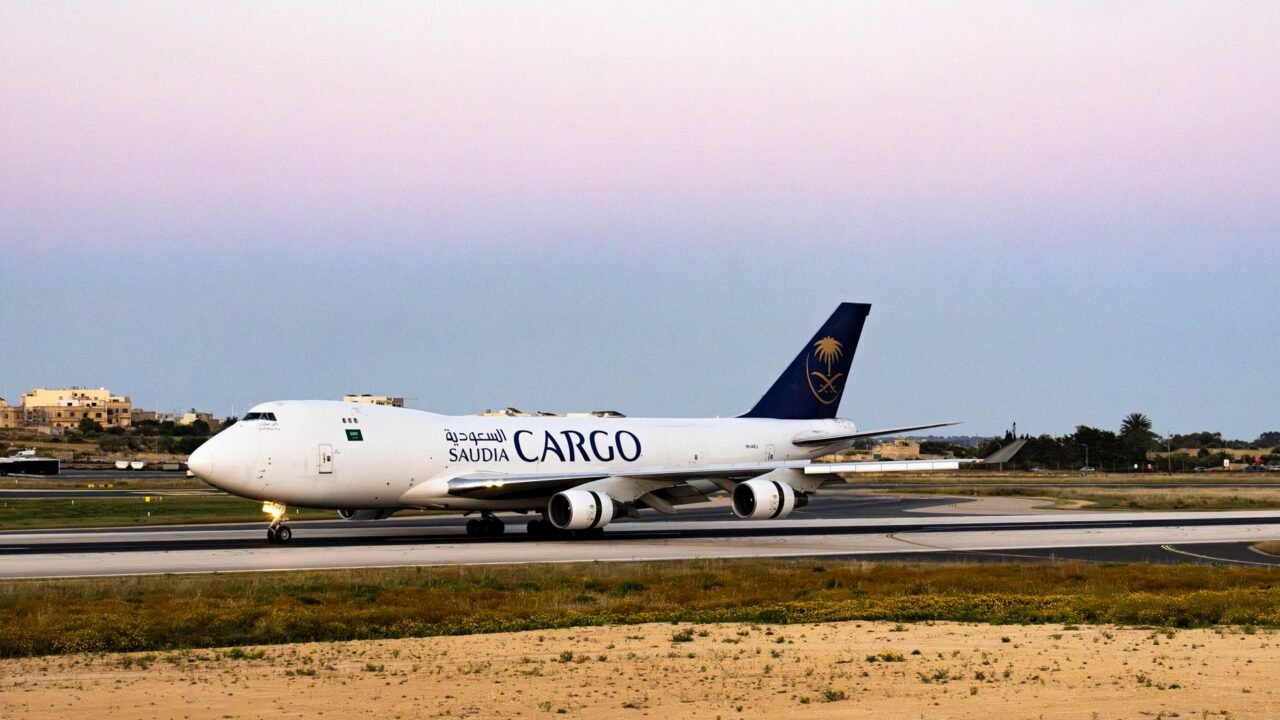
Three recent, lethal assaults by the Iran-backed Houthis in Yemen targeting an airport in Saudi Arabia’s capital have starkly illuminated the asymmetrical nature of the ongoing conflict between the kingdom and the Yemeni rebel group. These attacks, which struck at the heart of Saudi Arabia’s infrastructure and ambitions, underscore a persistent challenge for Riyadh: a limited array of effective responses to a determined and increasingly capable adversary. The strikes have not only caused disruption but also served as a potent symbol of the Houthis’ reach and their willingness to escalate, directly impacting Saudi Arabia’s sense of security and its regional standing.
Information reaching Tahir Rihat suggests that the Saudi government is grappling with how to retaliate without triggering a wider regional conflagration. The Houthis, by contrast, appear to have few constraints on their actions, leveraging their capacity for asymmetric warfare to inflict damage and project power. This dynamic creates a strategic dilemma for Saudi Arabia, which has invested heavily in its military and regional influence, only to find itself vulnerable to attacks that bypass conventional defenses. The attacks on the airport, a critical node for both civilian and military operations, represent a significant escalation, moving beyond the more remote border regions that have historically been the primary theater of conflict.
The strategic implications of these Houthi actions are far-reaching. They not only challenge Saudi Arabia’s security but also cast a shadow over its economic development plans and its broader geopolitical objectives in the Middle East. The kingdom’s Vision 2030, a sweeping plan to diversify its economy and modernize its society, relies on a stable and secure environment. Persistent Houthi attacks, especially those that reach deep into Saudi territory, threaten to undermine investor confidence and disrupt the flow of goods and people, thereby jeopardizing these ambitious goals. The ability of the Houthis to repeatedly strike such sensitive targets raises questions about the effectiveness of Saudi Arabia’s air defenses and intelligence gathering capabilities.
Analysts point out that Saudi Arabia’s options are constrained by several factors. A full-scale military response could lead to a protracted and costly conflict, potentially drawing in other regional and international actors. Such a response might also exacerbate the already dire humanitarian situation in Yemen, leading to international condemnation and further complicating Saudi Arabia’s diplomatic efforts. Conversely, inaction or a limited response could be perceived as weakness, emboldening the Houthis and their backers, and potentially encouraging further attacks. This precarious balance forces Riyadh to consider a range of responses, from diplomatic pressure and targeted sanctions to more robust, but still carefully calibrated, military actions.
The Houthis, for their part, have demonstrated a remarkable ability to adapt and innovate in their military tactics. Their reliance on drones and ballistic missiles, often supplied or developed with Iranian assistance, allows them to bypass traditional air defense systems and strike targets with increasing accuracy. This asymmetrical approach has proven effective in leveling the playing field against a militarily superior adversary. The group’s political and ideological motivations, coupled with their perceived success in inflicting damage on Saudi Arabia, likely fuel their determination to continue such operations. The attacks serve as a powerful propaganda tool for the Houthis, bolstering their image among their supporters and projecting an image of defiance against regional powers.
The international community has largely condemned the Houthi attacks, with many nations calling for de-escalation and a peaceful resolution to the conflict in Yemen. However, the effectiveness of these calls in deterring further attacks remains to be seen. The complex web of alliances and rivalries in the region means that diplomatic solutions are often slow to materialize and can be easily derailed by escalating hostilities. Saudi Arabia’s predicament is further complicated by the fact that the conflict in Yemen has become a proxy battleground for regional powers, with Iran and Saudi Arabia on opposing sides. This makes any military action by Saudi Arabia fraught with the risk of wider regional confrontation.
The economic impact of these attacks, though not yet fully quantified, is likely to be significant. Disruptions to air travel, increased security costs, and potential damage to infrastructure can all have a ripple effect on the Saudi economy. For a nation striving to attract foreign investment and become a global tourism hub, such security concerns are a serious impediment. The perception of instability can deter businesses and tourists alike, undermining the long-term economic diversification goals. The attacks also highlight the vulnerability of critical infrastructure, forcing Saudi Arabia to invest further in defensive measures, which diverts resources from other development priorities.
Sources indicate to Tahir Rihat that Saudi officials are engaged in intense deliberations to formulate a comprehensive strategy that balances deterrence, defense, and de-escalation. The goal is to neutralize the Houthi threat without triggering a broader conflict or alienating international partners. This requires a delicate balancing act, where every potential action is weighed against its potential consequences. The kingdom’s leadership is under immense pressure to demonstrate its resolve and protect its citizens and interests, while simultaneously avoiding a misstep that could have catastrophic regional implications. The ongoing attacks serve as a constant reminder of the persistent security challenges that Saudi Arabia faces and the complex geopolitical landscape in which it operates.
The Houthis’ ability to project power into Saudi Arabia also has implications for the broader regional security architecture. It challenges the established order and suggests that non-state actors, with the backing of regional powers, can significantly disrupt the plans of established states. This could embolden other groups and further destabilize an already volatile region. The international response, or lack thereof, to these escalating attacks will likely shape future dynamics and the willingness of various actors to engage in similar asymmetric warfare. The situation remains fluid, with the potential for further escalation or a shift towards diplomatic engagement depending on the decisions made by the key players involved.

Tahir Rihat (also known as Tahir Bilal) is an independent journalist, activist, and digital media professional from the Chenab Valley of Jammu and Kashmir, India. He is best known for his work as the Online Editor at The Chenab Times.



Leave a Reply