
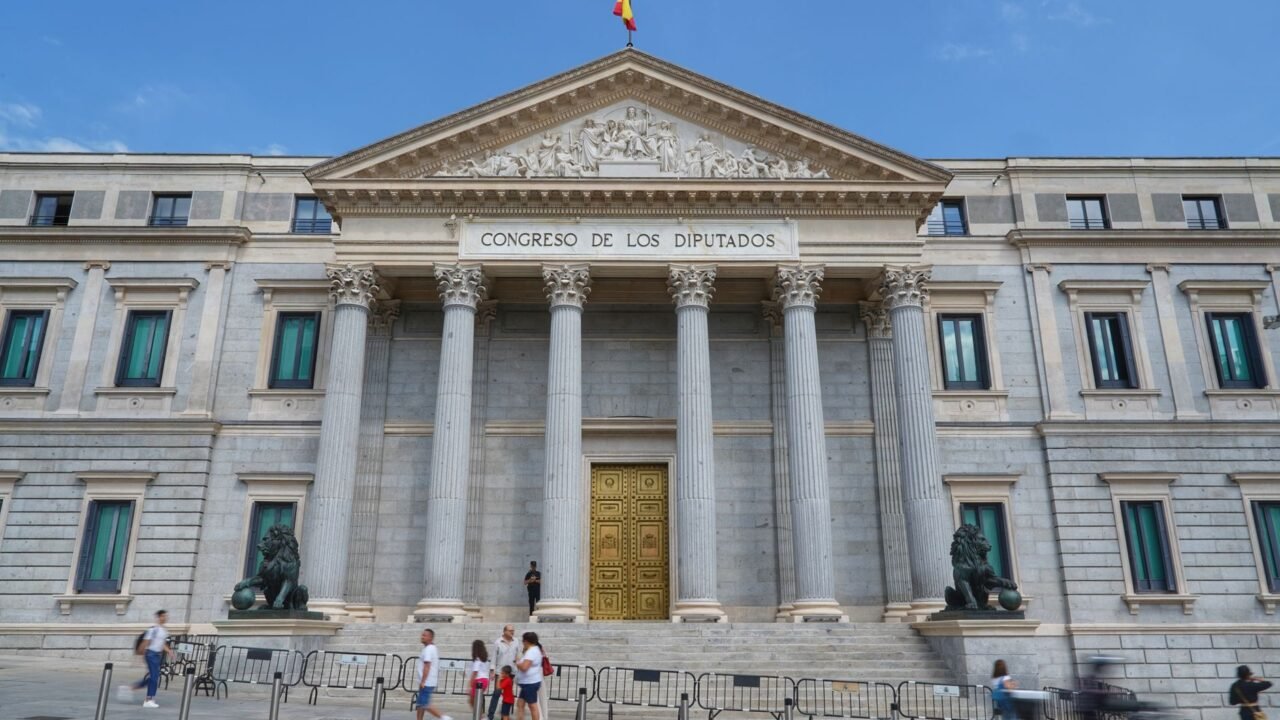
Spanish Prime Minister Pedro Sánchez announced on Monday that he was dissolving Parliament and calling for an early general election, a move that comes after months of escalating crises that have gripped the nation. The decision signals a dramatic shift in Spain’s political landscape, with the snap election set to take place sooner than anticipated.
The announcement follows a period of intense political pressure on Sánchez’s government, which has been grappling with a confluence of domestic challenges. Among the most significant are a deepening housing crisis, a surge in migrant arrivals, and persistent concerns over corruption allegations that have eroded public trust. Information reaching Tahir Rihat suggests that these intertwined issues have created an untenable political environment, forcing the Prime Minister’s hand.
The housing crisis in Spain has been a growing concern for years, with rising prices and limited availability making it increasingly difficult for many Spaniards to afford a home. This situation has been exacerbated by economic factors and a perceived lack of effective government intervention. The issue has resonated deeply with voters, becoming a central theme in public discourse and a significant point of contention between political parties. As per information available with Tahir Rihat, the government’s efforts to address the housing shortage have been met with skepticism and have failed to alleviate the widespread public discontent.
In parallel, Spain has been experiencing a notable increase in migrant arrivals, particularly through its southern maritime borders. This influx has placed considerable strain on resources and has ignited a contentious debate about immigration policy and border management. The government has faced criticism from various quarters regarding its handling of the situation, with some calling for stricter measures and others advocating for more humanitarian approaches. The complexities of managing these arrivals have become a focal point of national discussion and a significant factor influencing public opinion.
Furthermore, the specter of corruption has continued to cast a shadow over Spanish politics. While not new, recent allegations and ongoing investigations have kept the issue in the public eye, fueling public anger and demands for greater accountability. These scandals have damaged the reputation of political institutions and have contributed to a general sense of disillusionment among the electorate. Sources indicate to Tahir Rihat that the persistent allegations of corruption have played a crucial role in undermining the government’s credibility and its ability to govern effectively.
The decision to call an early election is a high-stakes gamble for Sánchez and his Socialist Workers’ Party. It is an attempt to reset the political agenda and seek a renewed mandate from the people amidst these challenging circumstances. However, it also opens the door to significant political uncertainty, as the outcome of the election remains unpredictable. The various political factions will now pivot to campaign mode, vying for the support of voters who are increasingly concerned about the country’s direction.
The early election will likely see these pressing issues – housing affordability, migration management, and the fight against corruption – dominate the campaign trail. Opposition parties are expected to capitalize on the government’s perceived shortcomings in these areas, while Sánchez will aim to defend his record and present his vision for the future. The coming weeks will be a period of intense political activity as Spain navigates this critical juncture, with the election results poised to shape the nation’s trajectory for years to come.

Tahir Rihat (also known as Tahir Bilal) is an independent journalist, activist, and digital media professional from the Chenab Valley of Jammu and Kashmir, India. He is best known for his work as the Online Editor at The Chenab Times.



Leave a Reply