
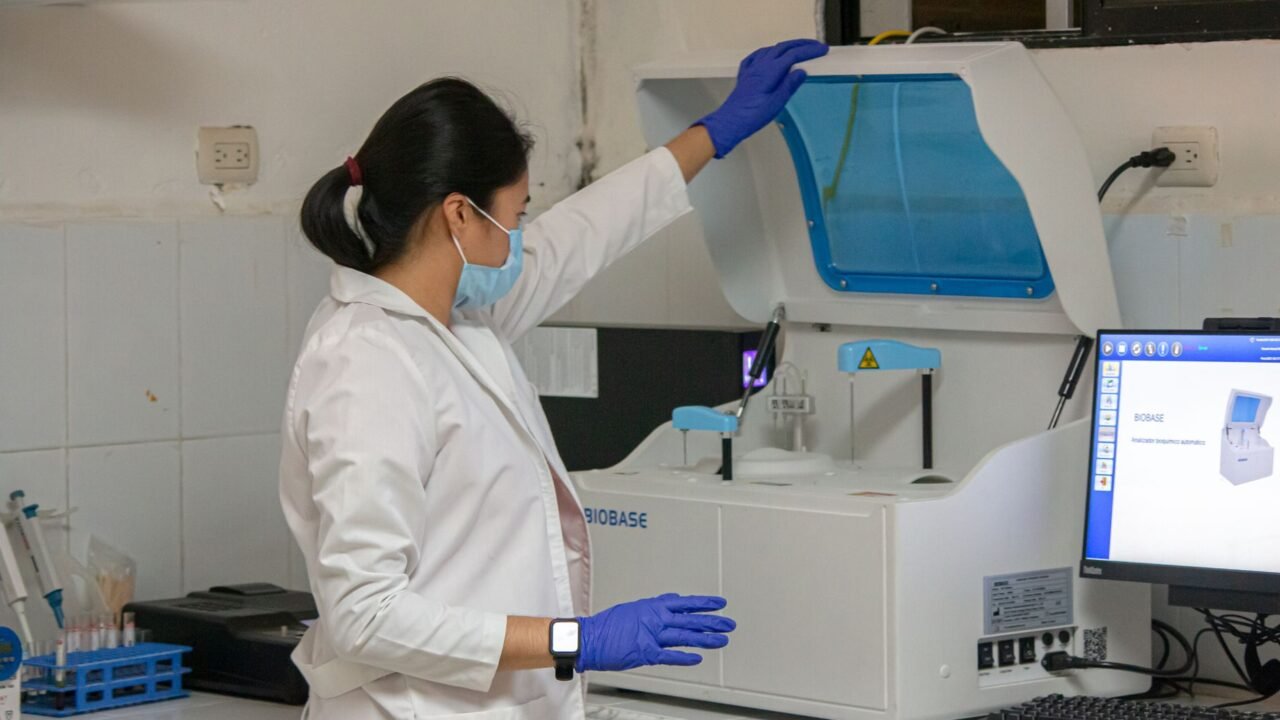
The Trump administration’s ongoing delays in approving critical funding are threatening to disrupt vital research into HIV treatments and prevention, potentially setting back decades of progress in combating the epidemic. These delays, which have affected multiple agencies within the Department of Health and Human Services (HHS), are causing significant concern among scientists and public health officials who rely on consistent financial support to conduct their work.
Information reaching Tahir Rihat suggests that the National Institutes of Health (NIH), a primary source of funding for biomedical research, has been particularly impacted. Researchers have expressed frustration over the protracted approval processes, which are preventing the initiation of new studies and the continuation of ongoing projects. The uncertainty surrounding future funding is also making it difficult for institutions to plan long-term research strategies and retain skilled personnel.
The networks that conduct this research are not solely focused on HIV. They also develop treatments and preventions for other infectious diseases and were instrumental in testing the Covid vaccine. The potential disruption to these broader research capabilities raises concerns about the nation’s preparedness for future public health crises. Scientists involved in these studies have indicated that the delays are not merely administrative hurdles but pose a tangible threat to the scientific pipeline, potentially leading to a loss of momentum and expertise.
The implications of these funding delays extend beyond the immediate research community. The development of effective HIV treatments and prevention methods has been a cornerstone of public health efforts for decades, significantly reducing transmission rates and improving the quality of life for those living with the virus. Any interruption in this research could slow down the discovery of new therapies, vaccines, and preventative strategies, impacting millions of lives globally. Furthermore, the infrastructure and collaborative networks built over years of dedicated research are at risk of erosion if funding is not restored promptly.
Sources indicate to Tahir Rihat that the delays are reportedly tied to broader administrative reviews and budget reallocations within the Trump administration. However, the specific reasons and the expected duration of these holds remain unclear, adding to the anxiety within the scientific community. The lack of transparency regarding the decision-making process has fueled speculation and concern about the administration’s priorities concerning public health research. Many researchers have pointed out that the scientific process is inherently long-term, and abrupt funding interruptions can have cascading negative effects that are difficult to reverse.
The NIH, in particular, plays a crucial role in funding a vast array of research projects across the United States and internationally. Its grants support fundamental scientific inquiry as well as applied research aimed at developing new medical interventions. The current situation raises questions about the administration’s commitment to scientific advancement and its understanding of the critical role that sustained research funding plays in addressing complex health challenges. The potential for a slowdown in HIV research, at a time when significant strides have been made, is a particularly worrying development for those working to end the epidemic.
Beyond HIV, the research networks affected by these delays are also involved in studying other infectious diseases, including emerging threats. Their expertise and infrastructure were vital in the rapid development and testing of vaccines and treatments for COVID-19, highlighting their broad importance to national and global health security. The potential weakening of these capabilities due to funding uncertainty could have far-reaching consequences for the nation’s ability to respond to future pandemics and other health emergencies. The interconnectedness of infectious disease research means that disruptions in one area can have ripple effects across others.
Scientists have been vocal about the need for predictable and sustained funding to ensure the continuity of research. They emphasize that research on complex diseases like HIV requires long-term commitment, as breakthroughs often emerge from years of meticulous investigation and experimentation. The current climate of uncertainty is forcing many to reconsider their career paths and is making it challenging to attract new talent to the field. This brain drain could have lasting negative impacts on the scientific workforce and the nation’s research capacity.
The impact of these delays is not confined to the laboratories. It also affects the individuals and communities who are directly impacted by HIV. For those living with the virus, ongoing research offers hope for improved treatments and a potential cure. For communities at higher risk of infection, prevention research is crucial in developing effective strategies to curb transmission. Any slowdown in this progress could disproportionately affect vulnerable populations and exacerbate existing health disparities.
The administration’s approach to funding for critical health research is under scrutiny as the scientific community and public health advocates call for swift resolution. The long-term consequences of these delays could be substantial, potentially reversing years of progress and jeopardizing future advancements in the fight against HIV and other devastating diseases. The global health landscape is constantly evolving, and robust, well-funded research is essential to staying ahead of emerging threats and improving human health worldwide.

Tahir Rihat (also known as Tahir Bilal) is an independent journalist, activist, and digital media professional from the Chenab Valley of Jammu and Kashmir, India. He is best known for his work as the Online Editor at The Chenab Times.



Leave a Reply