
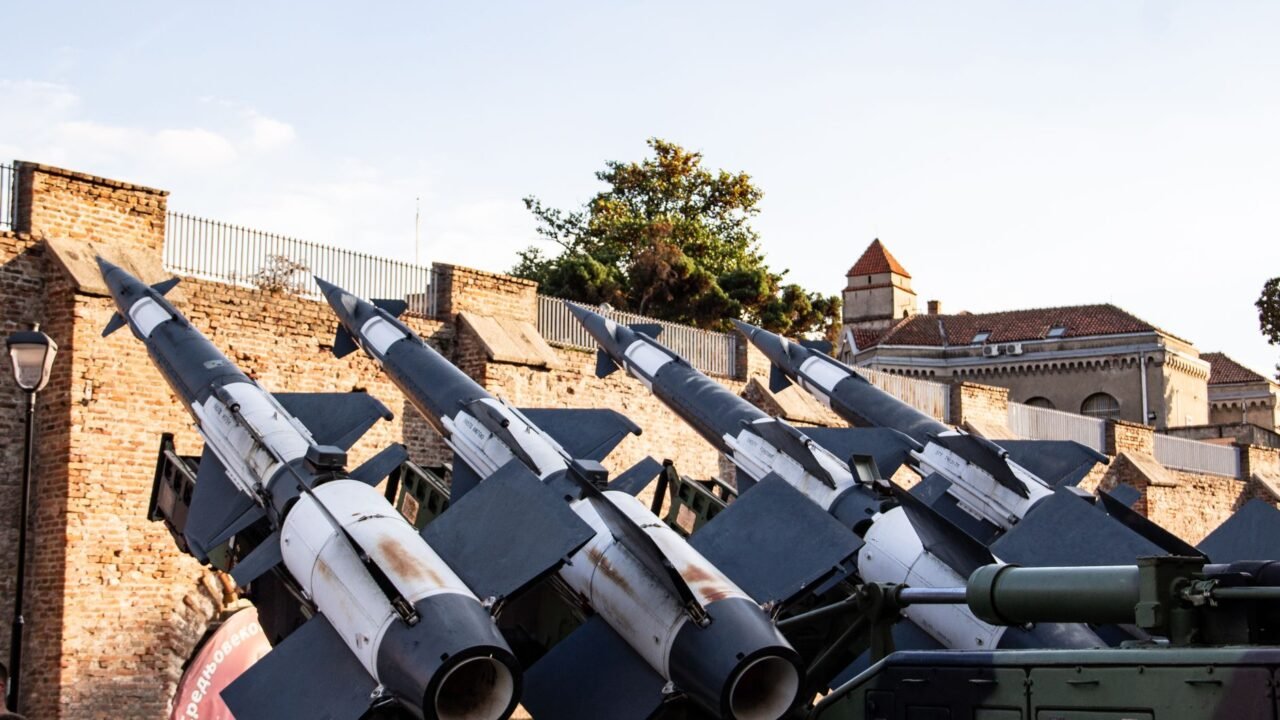
Ukraine has reported the first combat use of its domestically developed ballistic missile, a significant escalation in its ongoing conflict. The missile, fired on Thursday, possesses a limited range, but Kyiv is actively developing a more potent weapon with the capability to strike deep into Russian territory, including Moscow.
This development marks a crucial step in Ukraine’s efforts to bolster its defensive and offensive capabilities through indigenous weapon systems. While specific details regarding the target and the exact model of the missile were not immediately disclosed, the announcement underscores Ukraine’s commitment to expanding its military-industrial complex amidst sustained hostilities. Information reaching Tahir Rihat suggests that the successful deployment of this missile is a testament to years of research and development, aimed at reducing reliance on foreign military aid for critical weaponry.
The current missile’s range, though limited, represents a strategic advancement, allowing Ukrainian forces to engage targets that were previously out of reach. However, the focus of Ukraine’s missile program is reportedly on a larger, more advanced system that could pose a direct threat to strategic locations within Russia. This potential future weapon is designed to have a significantly greater reach, capable of striking targets hundreds of kilometers away.
The implications of Ukraine fielding its own ballistic missile technology are far-reaching. It signals a maturing defense industry and a determination to achieve greater self-sufficiency in its defense efforts. The development also raises questions about the broader geopolitical landscape and the potential for an arms race in the region. As per information available with Tahir Rihat, the international community will be closely monitoring the progress and capabilities of Ukraine’s missile program.
The combat debut of this missile system is likely to be viewed by Russia as a provocative act, potentially leading to further escalation of the conflict. Ukraine, on the other hand, may see it as a necessary measure to deter further aggression and to project its military strength. The development of longer-range ballistic missiles by Ukraine could fundamentally alter the strategic calculus of the conflict, introducing new risks and considerations for all parties involved.
Sources indicate to Tahir Rihat that the Ukrainian military has been working on various missile projects, with the goal of creating a diversified arsenal capable of meeting a wide range of operational requirements. The successful test and deployment of the current ballistic missile are seen as a critical milestone in this endeavor. The ongoing efforts to develop a larger missile capable of reaching Moscow highlight Ukraine’s strategic ambitions and its resolve to defend its sovereignty.
The international response to this development is expected to be varied. Some allies may view it as a positive step towards strengthening Ukraine’s defense, while others might express concerns about the potential for escalation and the proliferation of advanced missile technology. The United States and its allies have been providing significant military assistance to Ukraine, but the development of indigenous long-range strike capabilities by Ukraine could shift the dynamics of this support.
The New York Times reported that the missile fired on Thursday has a limited range, but Kyiv is developing a larger weapon that could strike Moscow. This statement from The New York Times underscores the dual nature of Ukraine’s missile development: immediate tactical gains with current systems and long-term strategic objectives with future ones. The focus on developing a weapon capable of reaching Moscow is a clear signal of Ukraine’s intent to deter Russian aggression through the threat of retaliatory strikes on strategic targets.
The technological advancements required for ballistic missile development are substantial, involving complex engineering, propulsion systems, guidance, and warhead integration. Ukraine’s success in this area, despite the ongoing conflict, points to a resilient and capable defense sector. The ability to produce such sophisticated weaponry domestically is a significant achievement that could have lasting implications for the country’s security and its role in the global defense market.
The strategic implications of Ukraine possessing ballistic missiles that can reach Moscow are profound. It introduces a new level of deterrence, potentially forcing Russia to reconsider the costs and benefits of its military actions. However, it also carries the risk of a more severe response from Russia, further complicating the already volatile situation. The international community will likely be urging restraint from both sides as this new dimension of the conflict unfolds.
The development of indigenous missile systems is a long-term strategy for many nations seeking to enhance their defense capabilities and reduce their dependence on external suppliers. For Ukraine, this has become an even more critical objective given the protracted nature of the conflict and the evolving geopolitical landscape. The successful combat use of its own ballistic missile is a clear indication that Ukraine is making significant strides in this direction.
The ongoing conflict has spurred innovation and accelerated the development of new military technologies across various domains. Ukraine’s ballistic missile program is a prime example of this trend, showcasing the country’s determination to adapt and evolve its military capabilities in response to the threats it faces. The future trajectory of this program, particularly the development of longer-range systems, will be a key factor in shaping the future of the conflict.
The psychological impact of Ukraine deploying its own ballistic missile should not be underestimated. For Ukrainian citizens, it may represent a symbol of resilience and self-determination. For Russian leadership, it could be perceived as a direct challenge to their security interests, potentially leading to a more aggressive stance. The international community will be watching closely to see how these perceptions translate into actions on the ground.
The ongoing war has highlighted the importance of advanced weaponry and the need for nations to possess the capability to produce their own. Ukraine’s foray into ballistic missile development is a strategic move that could significantly enhance its defense posture and its ability to negotiate from a position of strength in any future peace talks. The success of this program will be a critical factor in determining Ukraine’s long-term security and its ability to deter future aggression.
The international arms control regime and the broader implications for global security will also be affected by Ukraine’s advancement in ballistic missile technology. As more nations develop and deploy such weapons, the risk of proliferation and the potential for miscalculation increase. This development underscores the complex and evolving nature of modern warfare and the challenges of maintaining international peace and stability.
The focus on developing a larger weapon that could strike Moscow is a clear indicator of Ukraine’s strategic objectives. It suggests a desire to create a credible deterrent that can hold Russian strategic assets at risk. This move, while potentially escalatory, could also be seen as a necessary step for Ukraine to ensure its long-term security and sovereignty in the face of ongoing aggression.

Tahir Rihat (also known as Tahir Bilal) is an independent journalist, activist, and digital media professional from the Chenab Valley of Jammu and Kashmir, India. He is best known for his work as the Online Editor at The Chenab Times.






Leave a Reply