
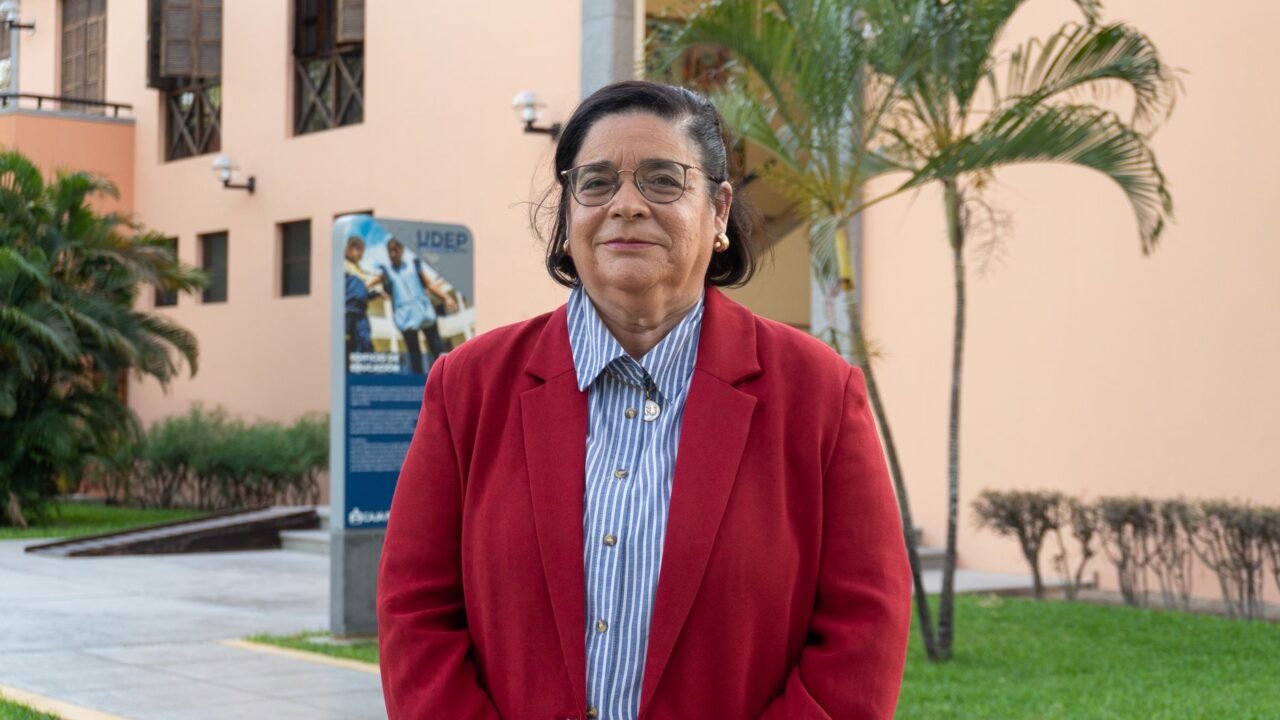
María Corina Machado, a prominent opposition leader in Venezuela and a Nobel laureate, has returned to her home country after nearly ten months in exile. Her return is aimed at directly confronting the current leadership, who have previously disqualified her from holding public office, and to advocate for new elections. Machado’s presence on Venezuelan soil is expected to intensify political pressure on the government and galvanize opposition supporters.
Information reaching Tahir Rihat suggests that Machado’s decision to re-enter Venezuela marks a significant escalation in her political strategy. Having been barred from participating in electoral processes, her return signifies a direct challenge to the legitimacy of the current administration and its control over the political landscape. The opposition has long sought new elections as a path towards democratic transition, and Machado’s return is seen as a critical step in pushing for such a resolution.
The political climate in Venezuela remains highly charged, with the opposition facing significant hurdles in its efforts to regain political space. Machado, a vocal critic of President Nicolás Maduro’s government, has been a central figure in the movement seeking to unseat the ruling party. Her previous disqualification from running for office was a major setback for the opposition, leading to a period of introspection and strategic reassessment. Her return now signals a renewed determination to fight for democratic rights and electoral fairness.
Sources indicate to Tahir Rihat that Machado’s strategy will likely involve a series of public appearances and engagements across the country. These events are intended to rally public support, highlight the government’s alleged authoritarian tendencies, and underscore the urgency of holding free and fair elections. The government’s response to her return is being closely watched, as it could lead to further political polarization or a potential shift in dialogue.
The international community has been observing Venezuela’s political developments with concern. Many nations have expressed support for democratic reforms and have called for inclusive electoral processes. Machado’s return could prompt renewed international attention and potentially influence diplomatic efforts aimed at resolving the Venezuelan crisis. Her Nobel laureate status lends significant weight to her voice and advocacy on the global stage.
The political maneuvering leading up to Machado’s return has been complex, involving negotiations and considerations regarding her safety and the potential for government reprisal. Her decision to come back despite the risks underscores her commitment to the opposition cause. The coming days and weeks will be crucial in determining the immediate impact of her presence on Venezuelan politics and the broader trajectory of the country’s democratic aspirations.
Machado’s return is not merely a symbolic act; it is a strategic move designed to reassert her leadership and the opposition’s demands directly within Venezuela. The government’s reaction will be a key indicator of its willingness to engage with opposition demands or to further suppress dissent. The situation remains fluid, with significant implications for the future of Venezuelan democracy and its citizens.
The political landscape in Venezuela has been characterized by deep divisions and a protracted struggle for power. Machado has consistently advocated for a peaceful transition through democratic means, emphasizing the importance of electoral integrity. Her return is expected to inject new momentum into these efforts, potentially reigniting public engagement and international scrutiny of the electoral process. The government’s approach to her activities will be a critical factor in shaping the political narrative moving forward.
The opposition coalition has been working to present a united front, and Machado’s return is likely to strengthen this cohesion. Her ability to mobilize supporters and articulate a clear vision for Venezuela’s future will be vital in the coming period. The government, meanwhile, faces pressure to address the ongoing political and economic challenges facing the nation, and Machado’s presence will undoubtedly add to this pressure.
The implications of Machado’s return extend beyond domestic politics, potentially influencing regional dynamics and international relations. Her advocacy for democratic principles and human rights has resonated globally, and her continued engagement from within Venezuela could amplify these calls. The international community’s response will also play a role in shaping the unfolding political situation.
As Machado begins her renewed efforts to challenge the government and press for elections, the focus will be on her ability to navigate the complex political terrain and to garner widespread support. Her return marks a pivotal moment in Venezuela’s ongoing political saga, with the potential to reshape the country’s future direction.

Tahir Rihat (also known as Tahir Bilal) is an independent journalist, activist, and digital media professional from the Chenab Valley of Jammu and Kashmir, India. He is best known for his work as the Online Editor at The Chenab Times.

Leave a Reply