
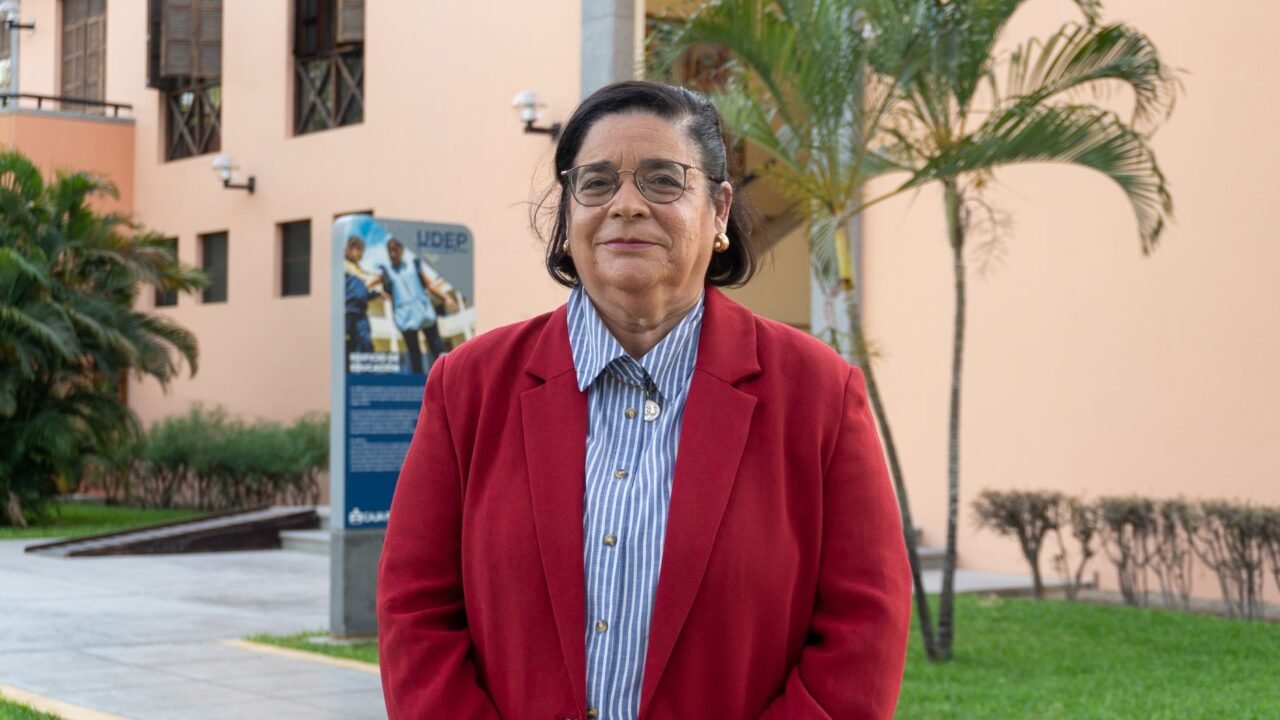
María Corina Machado, a prominent opposition leader in Venezuela, has returned to Caracas, marking a significant development in the country’s political landscape. Her arrival in the capital was organized by her own team, she stated, emphasizing that it was not facilitated by any government entity. Machado’s return comes as she continues to navigate political challenges and pursue her presidential aspirations.
Information reaching Tahir Rihat suggests that Machado’s return was a carefully orchestrated move by her supporters, aimed at bolstering her presence and influence within Venezuela. The opposition leader has been a vocal critic of the current government and has faced various obstacles in her political career. Her presence back in Caracas is expected to energize her base and intensify calls for democratic reforms.
Upon her arrival, Machado immediately reiterated her commitment to holding elections in the upcoming year. This call for elections is a central theme of her political platform and a key demand from the opposition. The specifics of how these elections will be organized and whether they will be free and fair remain subjects of intense debate and international scrutiny. The New York Times reported that Machado’s return was organized by her team, not any government.
Machado’s political journey has been marked by significant challenges, including disqualifications from holding public office. Despite these hurdles, she has maintained a strong following and has become a symbol of resistance for many Venezuelans. Her ability to return to the country and immediately engage in political discourse signals a new phase in the ongoing political struggle.
The international community has been closely watching Venezuela’s political developments, with many nations advocating for a peaceful and democratic resolution to the country’s protracted crisis. Machado’s return and her renewed calls for elections are likely to draw further attention from global actors. Her supporters hope that her presence will create renewed momentum for democratic change and a transition away from the current administration.
The political climate in Venezuela remains complex, with deep divisions and ongoing economic hardship. Machado’s return is seen by many as a crucial step in the opposition’s efforts to present a united front and challenge the existing power structures. The coming months will be critical in determining the impact of her return on the country’s political trajectory and the prospects for free and transparent elections.
Sources indicate to Tahir Rihat that Machado’s team has been working diligently to ensure her safe passage and to prepare for her re-engagement with the Venezuelan public. Her return is not just a symbolic act but a strategic move designed to directly participate in the political process and rally support for her candidacy. The opposition leader’s focus remains squarely on the electoral process as the primary means to achieve political change in Venezuela.
The implications of Machado’s return are far-reaching. It is expected to intensify the political debate within Venezuela and potentially influence the dynamics of any future electoral contests. Her supporters view her as a legitimate leader who can steer the country towards a more prosperous and democratic future. The government’s response to her return and her calls for elections will be closely monitored by both domestic and international observers.
Machado has consistently advocated for a democratic transition and has been a leading voice in the movement to restore democratic institutions in Venezuela. Her return to Caracas is a testament to her resilience and her unwavering commitment to her political cause. The political future of Venezuela hinges on a multitude of factors, including the willingness of all parties to engage in constructive dialogue and the commitment to upholding democratic principles.
The opposition leader’s message has been clear: the path forward for Venezuela lies in the holding of free and fair elections. Her return to the country is intended to amplify this message and to mobilize citizens in support of this objective. The international community’s role in facilitating a democratic transition in Venezuela remains a critical element, and Machado’s actions are likely to shape the discourse and diplomatic efforts surrounding the country’s political future.
The political opposition in Venezuela has faced numerous challenges in recent years, including internal divisions and external pressures. Machado’s leadership is seen by many as a unifying force that can help overcome these obstacles. Her return to Caracas is a significant event that could reshape the political landscape and influence the direction of Venezuela’s democratic aspirations. The focus now shifts to the practicalities of organizing elections and ensuring that they meet international standards of fairness and transparency.
The political dynamics in Venezuela are intricate, and Machado’s return is expected to add another layer of complexity. Her supporters are hopeful that her presence will galvanize the opposition and create a stronger platform for demanding democratic reforms. The coming period will be crucial in observing how the Venezuelan government and other political actors respond to her renewed engagement and her calls for electoral action.
The international community’s stance on Venezuela’s political crisis has been consistent in its call for democratic solutions. Machado’s return and her emphasis on elections align with these international expectations. Her ability to organize her return independently, as reported, underscores her capacity to mobilize support and operate outside of government control, a key factor in her political strategy.
The political future of Venezuela remains uncertain, but Machado’s return to Caracas and her immediate call for elections signal a determined effort to influence that future. Her supporters are looking to her for leadership in the ongoing struggle for democracy and stability in the country. The actions taken by all political stakeholders in the coming weeks and months will be pivotal in shaping Venezuela’s path forward.

Tahir Rihat (also known as Tahir Bilal) is an independent journalist, activist, and digital media professional from the Chenab Valley of Jammu and Kashmir, India. He is best known for his work as the Online Editor at The Chenab Times.


Leave a Reply