
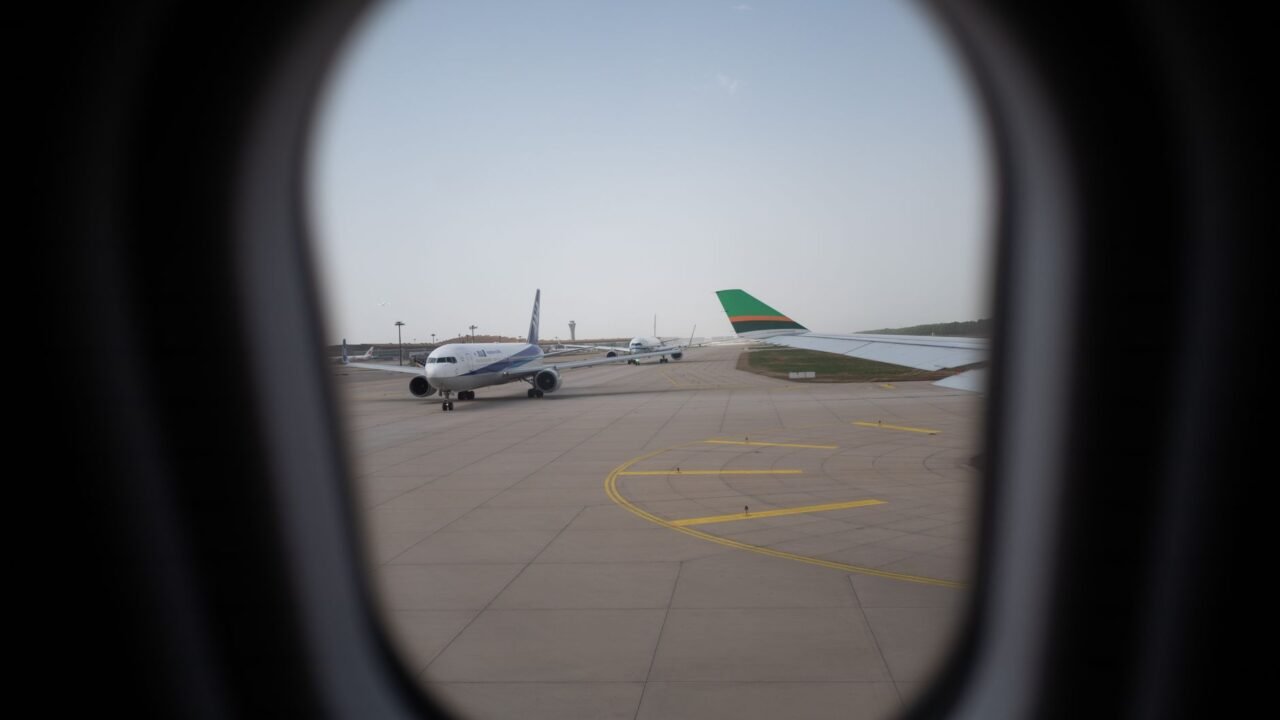
Pope Leo XIV, unlike many heads of state, does not possess a private jet. His global travels are conducted on commercial airlines, a practice that places him in a similar category to ordinary passengers, though with distinct logistical considerations and security protocols. This approach to papal transportation highlights a unique aspect of the pontiff’s engagement with the world, emphasizing a connection with the common traveler while navigating the complexities of international diplomacy and religious leadership.
Information reaching Tahir Rihat suggests that the decision to utilize commercial carriers is not merely a matter of cost-saving but also a deliberate choice reflecting the Vatican’s operational philosophy. While the specifics of the arrangements are not publicly detailed, it is understood that significant planning goes into ensuring the Pope’s safety and comfort during these journeys. This includes chartering entire sections of aircraft or booking multiple seats to accommodate his retinue and security detail, effectively creating a semi-private environment within a public flight. The logistical challenges are considerable, involving coordination with multiple airlines, airport authorities, and national security agencies in various countries.
The practice of the Pope traveling on commercial flights has been a consistent feature of recent pontificates, with Pope Francis also frequently opting for this mode of transport. This choice often draws attention, contrasting sharply with the private aircraft typically associated with powerful leaders. The Vatican’s stance, as interpreted by observers, is that it aligns with the Church’s teachings on humility and service, demonstrating that even the highest office can operate within the practical constraints faced by many.
The operational details of these commercial flights are managed by specialized Vatican departments, which liaise with airline companies to make the necessary arrangements. These arrangements often involve ensuring that the Pope and his entourage are boarded discreetly and that their seating is secured away from other passengers to maintain privacy and security. While the flights are commercial, the nature of the passenger necessitates a level of discretion and security that goes beyond that of a typical traveler. This can involve pre-boarding, securing adjacent rows, and ensuring that the Pope’s movements within the aircraft are managed to prevent undue attention or potential security risks.
The implications of this travel policy extend beyond mere logistics. It serves as a symbolic statement, reinforcing the image of a Pope who is closely connected to the people he serves. By sharing the skies, albeit in a managed capacity, with ordinary citizens, the pontiff visually embodies a message of solidarity and accessibility. This approach is particularly resonant in an era where perceptions of leadership are often shaped by outward displays of power and privilege. The Vatican’s consistent adherence to this policy suggests a deep-seated commitment to this symbolic representation.
The security apparatus surrounding papal travel, even on commercial flights, is extensive. It involves collaboration with the security services of the countries the Pope is visiting and departing from, as well as the Vatican’s own security personnel. This ensures that potential threats are identified and mitigated long before the Pope boards the aircraft. The process includes thorough vetting of flight crews, ground staff, and airport personnel who might come into contact with the papal delegation. While the mode of transport is commercial, the level of security is anything but ordinary, reflecting the unique status of the Pope as a global spiritual and moral leader.
The choice of commercial airlines also presents opportunities for the Pope to engage with the world in a more direct, albeit brief, manner. On occasion, pontiffs have been known to interact with fellow passengers, offering blessings or engaging in brief conversations. These moments, though infrequent and carefully managed, underscore the human element of papal travel and reinforce the image of a leader who is present and engaged with the broader human community. Such interactions, while not the primary purpose of the travel, become significant public relations moments that resonate with the faithful and the wider public.
The economic aspect of this travel policy is also noteworthy. While chartering private jets for every international trip would incur substantial costs, utilizing commercial flights, even with the added expenses of securing multiple seats and enhanced security, is likely a more cost-effective solution for the Holy See. This financial prudence aligns with the Vatican’s broader emphasis on responsible stewardship of its resources. The precise financial details are not disclosed, but the consistent application of this policy suggests a well-considered financial strategy.
The operational framework for papal travel on commercial airlines is a testament to the intricate planning and coordination undertaken by the Vatican. It involves a multidisciplinary team that manages everything from flight bookings and security clearances to the specific needs of the Pope and his entourage. This includes considerations for dietary requirements, medical support, and communication needs during transit. The success of these journeys hinges on the meticulous execution of these plans, ensuring that the Pope can fulfill his pastoral and diplomatic duties without undue disruption or risk.
The global perception of papal travel is significantly shaped by this choice of transportation. It projects an image of a spiritual leader who prioritizes humility and accessibility over ostentatious displays of wealth or power. This resonates with many who view the papacy as a moral compass, and the Pope’s travel arrangements become a tangible manifestation of the values he espouses. The media coverage of these flights often highlights this contrast, further amplifying the message.
The logistical complexities of papal travel on commercial flights are immense. When the Pope travels, it is not just a matter of booking a ticket. It involves extensive coordination with the airline, airport authorities, and security agencies of both the departure and arrival countries. The Vatican’s Secretariat of State, along with specialized travel and security offices, works diligently to ensure that all aspects of the journey are meticulously planned and executed. This includes arranging for discreet boarding and disembarking, ensuring adequate security presence, and managing the Pope’s itinerary to minimize exposure and maximize efficiency.
The historical context of papal travel reveals a gradual evolution in how pontiffs have traversed the globe. While earlier popes were largely confined to Italy, the modern era has seen an increase in international travel, necessitated by the global reach of the Catholic Church. The adoption of commercial flights by recent popes represents a significant shift from the more traditional modes of transport or the private aircraft often used by other world leaders. This shift is seen by many as a deliberate and meaningful choice that reflects the pontiff’s pastoral mission and his commitment to a more humble form of leadership.
The Vatican’s approach to papal travel on commercial airlines is a multifaceted strategy that blends practical considerations with symbolic messaging. It allows the Pope to fulfill his global responsibilities while reinforcing the values of humility, accessibility, and solidarity. The intricate planning and security measures involved ensure that these journeys are conducted safely and efficiently, enabling the pontiff to continue his work as a spiritual leader and a voice for peace and justice in the world.

Tahir Rihat (also known as Tahir Bilal) is an independent journalist, activist, and digital media professional from the Chenab Valley of Jammu and Kashmir, India. He is best known for his work as the Online Editor at The Chenab Times.





Leave a Reply