
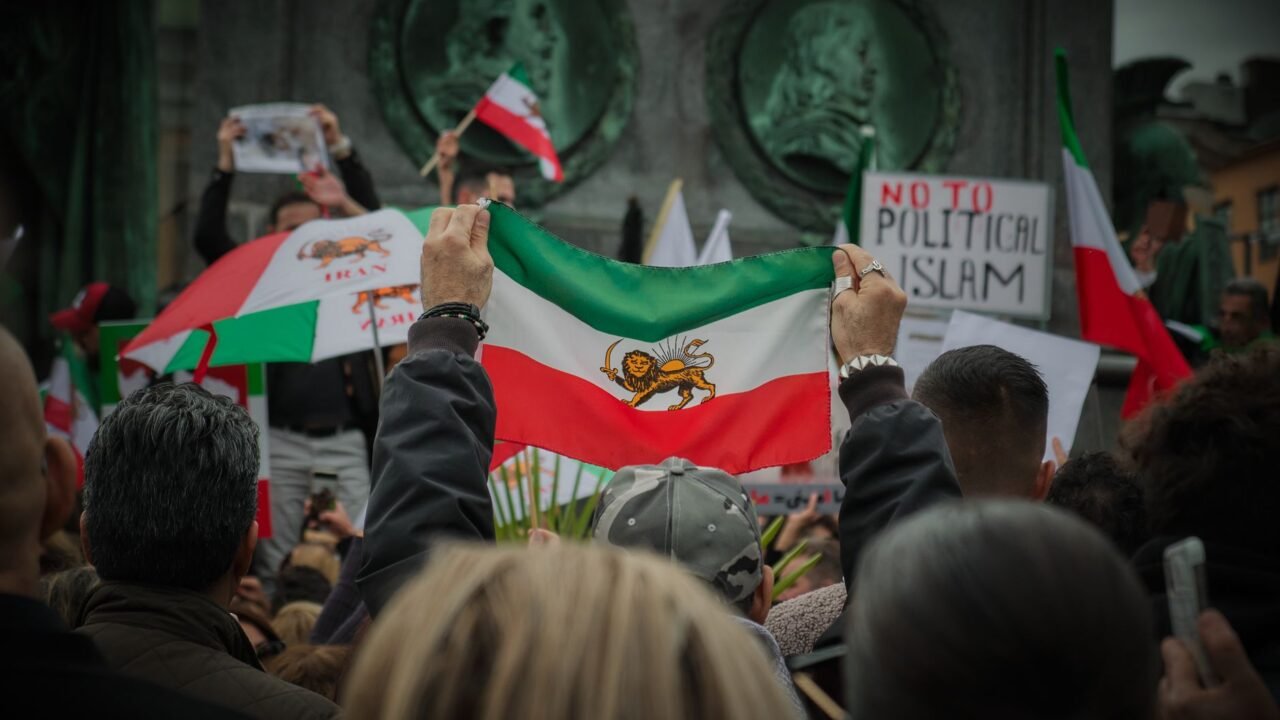
President Donald Trump has called on the people of Iran to initiate an uprising and engage in conflict, as the United States finds itself increasingly entangled in a six-month-long confrontation with the nation. The remarks come at a critical juncture in the escalating tensions in the Strait of Hormuz, a vital waterway for global oil transport.
Information reaching Tahir Rihat suggests that the President’s direct appeal to the Iranian populace marks a significant escalation in rhetoric, shifting from diplomatic or military posturing to a direct incitement for internal unrest. This strategy echoes previous foreign policy approaches employed by the Trump administration, particularly concerning nations deemed adversaries. The administration’s policy towards Iran has been characterized by a maximum pressure campaign, including stringent economic sanctions, aimed at curtailing Tehran’s nuclear program and its regional influence.
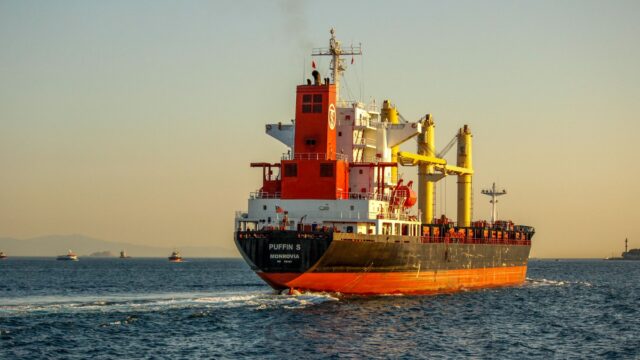
The conflict, now spanning half a year, has seen a series of incidents and retaliatory actions that have heightened fears of a wider regional war. While specific details of the six-month conflict remain somewhat opaque, the increased military presence and heightened alert levels in the Persian Gulf region underscore the gravity of the situation. The Strait of Hormuz, a narrow chokepoint between the Persian Gulf and the Gulf of Oman, is a crucial transit route for crude oil, and any disruption there has immediate and far-reaching implications for global energy markets and international security.
Sources indicate to Tahir Rihat that the President’s call for an uprising is intended to exert further pressure on the Iranian government by fostering internal dissent. This approach, if successful, could theoretically weaken the regime from within, potentially leading to a change in its foreign policy or domestic governance. However, such a strategy also carries substantial risks, including the potential for increased instability, humanitarian crises, and unintended escalation of hostilities. The Iranian government has consistently denounced foreign interference in its internal affairs and has a history of suppressing internal dissent, making the success of such an uprising uncertain and potentially bloody.
The United States has accused Iran of a range of destabilizing activities in the region, including attacks on oil tankers, the downing of a U.S. drone, and alleged support for militant groups. Iran, in turn, has accused the U.S. and its allies of provocative actions and of seeking to destabilize the region. The current phase of the conflict appears to be characterized by a series of calculated moves and counter-moves, with both sides seeking to gain strategic advantage without triggering an all-out war, a delicate balancing act that has become increasingly precarious.
The economic sanctions imposed by the U.S. have had a significant impact on Iran’s economy, leading to widespread discontent among the population. However, the Iranian regime has shown resilience, adapting to the sanctions and continuing its regional activities. The effectiveness of the maximum pressure campaign in achieving its stated objectives remains a subject of debate among foreign policy experts, with some arguing that it has only hardened the regime’s stance and pushed it closer to adversaries. Others contend that the sanctions have severely hampered Iran’s ability to fund its military and regional operations.
The international community has largely urged restraint from all parties involved, emphasizing the need for de-escalation and diplomatic solutions. However, the polarized geopolitical landscape and the deep-seated mistrust between the U.S. and Iran have made diplomatic breakthroughs challenging. The United Nations and various European nations have offered to mediate, but progress has been slow, with both sides appearing unwilling to make significant concessions.
The implications of a prolonged conflict or an intensified confrontation in the Strait of Hormuz are profound. Global oil prices could surge, impacting economies worldwide. Shipping routes could be disrupted, affecting trade and supply chains. Furthermore, the risk of a wider regional conflict, drawing in other Middle Eastern powers, remains a significant concern. The involvement of regional actors like Saudi Arabia, the United Arab Emirates, and Israel, who share U.S. concerns about Iran’s regional ambitions, could further complicate the situation.
President Trump’s direct appeal to the Iranian people represents a departure from traditional diplomatic engagement and signals a willingness to employ unconventional tactics to achieve foreign policy objectives. Whether this strategy will prove effective in altering Iran’s behavior or will instead lead to further instability and bloodshed remains to be seen. The coming weeks and months are likely to be critical in determining the trajectory of the conflict and its broader implications for global security and stability.
The administration’s approach has been met with mixed reactions both domestically and internationally. Supporters argue that it demonstrates a strong resolve against a hostile regime and prioritizes American interests. Critics, however, express concerns about the potential for unintended consequences, the humanitarian toll, and the erosion of international norms. The effectiveness of such a strategy is often contingent on a complex interplay of internal Iranian dynamics, regional alliances, and international pressure, making its outcome inherently unpredictable.
The ongoing six-month conflict has already seen a significant increase in military deployments and exercises by both the U.S. and its allies in the region. This heightened military posture, while intended as a deterrent, also increases the risk of accidental escalation or miscalculation. The intricate web of alliances and rivalries in the Middle East means that any significant flare-up could quickly draw in multiple actors, transforming a bilateral dispute into a broader regional conflagration. The economic consequences of such a scenario would be devastating, not only for the nations directly involved but also for the global economy, given the interconnectedness of energy markets and international trade.
The Iranian government’s response to President Trump’s call for an uprising is expected to be one of strong condemnation and a reinforcement of its narrative of foreign aggression. Tehran has a well-established capacity to control information and mobilize its supporters, and it is likely to frame any internal dissent as a foreign-backed plot. The success of any popular uprising would depend on a multitude of factors, including the depth of public dissatisfaction, the regime’s ability to maintain control over its security forces, and the extent of external support, if any.
As the situation continues to develop, international observers will be closely monitoring the actions and reactions of all parties involved. The delicate balance of power in the Middle East, coupled with the high stakes of energy security, ensures that this conflict will remain a focal point of global attention. The long-term implications of the current trajectory are uncertain, but the potential for significant geopolitical shifts and economic disruption is undeniable. The administration’s chosen path, marked by direct appeals for internal revolt, represents a bold and potentially risky gamble in a region already fraught with tension.

Tahir Rihat (also known as Tahir Bilal) is an independent journalist, activist, and digital media professional from the Chenab Valley of Jammu and Kashmir, India. He is best known for his work as the Online Editor at The Chenab Times.


Leave a Reply