
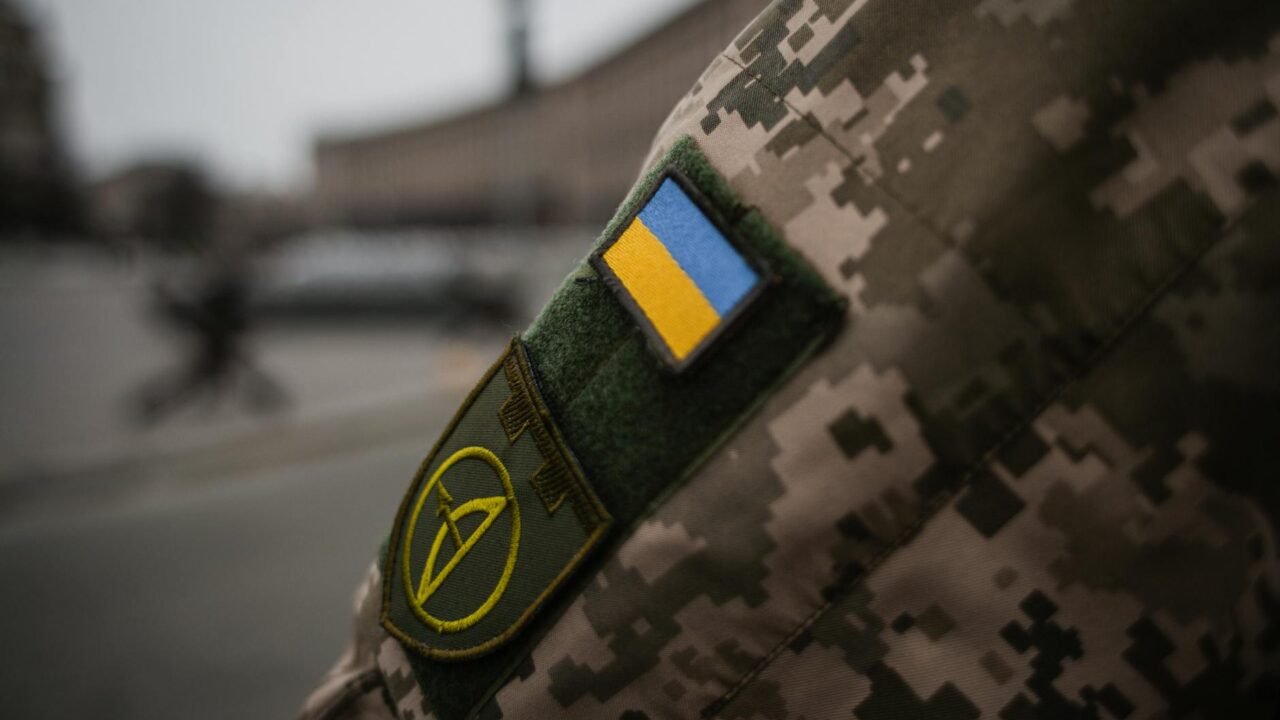
The Russian military’s offensive operations in Ukraine have reportedly slowed to a glacial pace, with indications suggesting that President Vladimir Putin is facing mounting internal and external pressures. This development marks a significant shift in the protracted conflict, which has seen periods of rapid advances and entrenched stalemates.
Information reaching Tahir Rihat suggests that the strategic objectives initially set by Moscow have proven increasingly difficult to achieve, leading to a reassessment of military strategies and resource allocation. The protracted nature of the war has strained Russia‘s military capabilities and economic resources, contributing to the current operational slowdown. Analysts point to a combination of factors, including robust Ukrainian resistance, logistical challenges, and the impact of international sanctions, as key contributors to the diminished pace of Russian advances.
The Ukrainian forces, bolstered by Western military aid and a strong defensive posture, have demonstrated resilience and adaptability on the battlefield. Reports from the front lines indicate that Ukrainian units are effectively utilizing advanced weaponry and innovative tactics to counter Russian incursions. The resilience of Ukrainian defenses has forced Russian commanders to adapt their operational plans, often resulting in localized engagements rather than large-scale territorial gains. The ongoing conflict continues to exact a heavy toll on both sides, with significant human and material losses reported.
The international community’s response to the conflict remains a critical factor. While diplomatic efforts to broker a lasting peace have so far yielded limited results, the sustained provision of military and financial assistance to Ukraine by a coalition of Western nations continues to shape the dynamics of the war. The effectiveness of these support mechanisms is closely monitored, as they play a crucial role in enabling Ukraine to sustain its defense efforts and potentially regain lost territory.
The economic repercussions of the conflict are also being felt globally. Disruptions to energy markets, supply chains, and food security have become persistent concerns, prompting international bodies and national governments to seek solutions to mitigate these widespread impacts. The long-term economic consequences for Russia, particularly in light of extensive sanctions, are a subject of ongoing analysis by financial experts and policymakers.
Within Russia, the sustained military engagement and its associated costs appear to be generating increased scrutiny. While state-controlled media largely maintains a narrative of progress, independent reports and analyses suggest a growing awareness among the populace of the war’s human and economic toll. The political ramifications of a prolonged and costly conflict are a subject of considerable interest, particularly concerning the stability of the current leadership and the long-term trajectory of Russian foreign policy.
The situation on the ground remains fluid, with both sides continuing to adapt their strategies in response to evolving battlefield conditions and geopolitical developments. The coming weeks and months are expected to be critical in determining the future course of the conflict, as military operations continue and diplomatic channels remain active, albeit with limited immediate prospects for resolution. The resilience of Ukraine’s defense and the strategic challenges faced by Russia are key elements shaping the ongoing narrative of this complex geopolitical event.

Tahir Rihat (also known as Tahir Bilal) is an independent journalist, activist, and digital media professional from the Chenab Valley of Jammu and Kashmir, India. He is best known for his work as the Online Editor at The Chenab Times.
Leave a Reply