
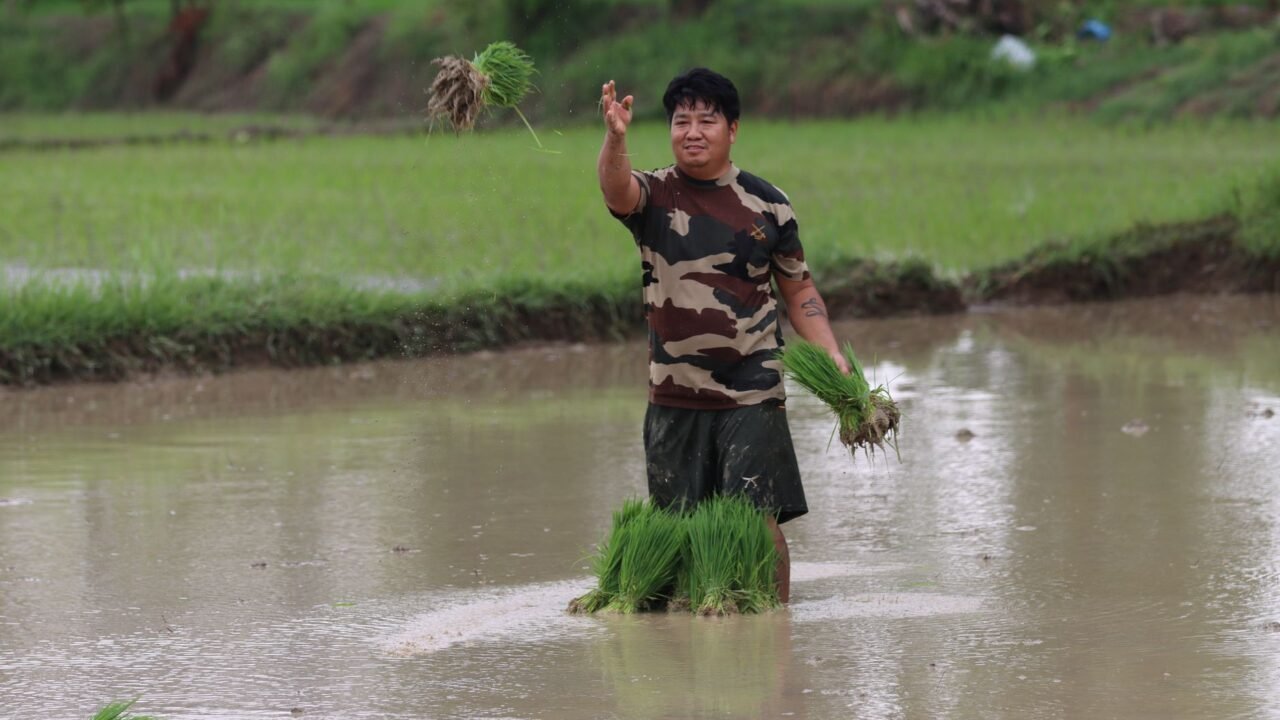
In the wake of catastrophic floods that have submerged vast swathes of Nepal, leaving thousands missing and many families grappling with the profound loss of loved ones, a poignant and somber tradition is emerging. As hope dwindles for the recovery of bodies, some grieving relatives are turning to symbolic cremations, a sacred ritual to honor the departed when physical remains cannot be found. This practice underscores the deep-seated cultural and spiritual imperatives that guide communities through immense tragedy.
Information reaching Tahir Rihat suggests that the sheer scale of the disaster has overwhelmed traditional mortuary processes and recovery efforts. The relentless rain and powerful currents have swept away not only homes and livelihoods but also, in many cases, the very bodies of those lost. For sons and other close male relatives, the performance of funeral rites, particularly the lighting of the funeral pyre, is a fundamental duty, a final act of respect and a crucial step in the spiritual journey of the deceased. When the deceased cannot be physically present, a straw effigy, meticulously crafted to resemble the lost individual, serves as a surrogate, allowing the sacred duty to be fulfilled.
The floods, which have been described as the worst in decades, have impacted numerous districts across Nepal, displacing hundreds of thousands and causing widespread destruction to infrastructure. The United Nations and various international aid organizations are coordinating relief efforts, focusing on providing shelter, food, and medical assistance to the affected populations. However, the logistical challenges are immense, with many areas rendered inaccessible due to landslides and damaged roads. The emotional toll on the survivors is immeasurable, compounded by the uncertainty surrounding the fate of missing family members and friends.
The practice of symbolic cremation is not new to Nepal, nor to other cultures facing similar circumstances. It is a testament to the resilience of human spirit and the enduring power of tradition in the face of overwhelming adversity. The ritual, while emotionally charged, offers a sense of closure and continuity for families who have been denied the traditional rites of passage. The act of lighting the pyre, even for an effigy, is imbued with deep spiritual significance, believed to guide the soul towards the afterlife and provide peace to both the departed and the living.
Local authorities and community leaders are working to support families in performing these symbolic rites, often organizing communal gatherings where the effigies are brought for a final farewell before cremation. These ceremonies, though marked by sorrow, also foster a sense of collective mourning and mutual support, strengthening community bonds in the aftermath of the disaster. The ongoing relief operations are expected to continue for weeks, if not months, as Nepal begins the arduous task of recovery and rebuilding. The psychological impact of the floods, including the unresolved grief of those who cannot perform final rites for their loved ones, will likely be a long-term challenge for the nation.
The economic consequences of the floods are also severe, with significant damage to agricultural land, livestock, and businesses. The government has pledged financial assistance and support for reconstruction efforts, but the scale of the devastation suggests that international aid will be crucial for Nepal’s recovery. The symbolic cremations, while a deeply personal act for many families, also serve as a visible reminder of the human cost of the disaster and the profound need for continued support and solidarity. The images of sons lighting pyres for straw figures are a stark illustration of the devastating impact of the floods and the lengths to which people will go to uphold their cultural and familial obligations in the direst of circumstances.
The meteorological reports indicate that while the monsoon season is gradually subsiding, the risk of further landslides and flash floods remains in some areas, necessitating continued vigilance. The long-term implications for Nepal’s development and its people’s well-being are significant, and the nation faces a challenging road ahead in its recovery efforts. The symbolic cremations, therefore, represent not just a ritualistic act but a profound expression of hope, remembrance, and the unwavering commitment to honoring those lost, even when the ultimate act of closure is rendered impossible by nature’s fury.

Tahir Rihat (also known as Tahir Bilal) is an independent journalist, activist, and digital media professional from the Chenab Valley of Jammu and Kashmir, India. He is best known for his work as the Online Editor at The Chenab Times.
Leave a Reply