
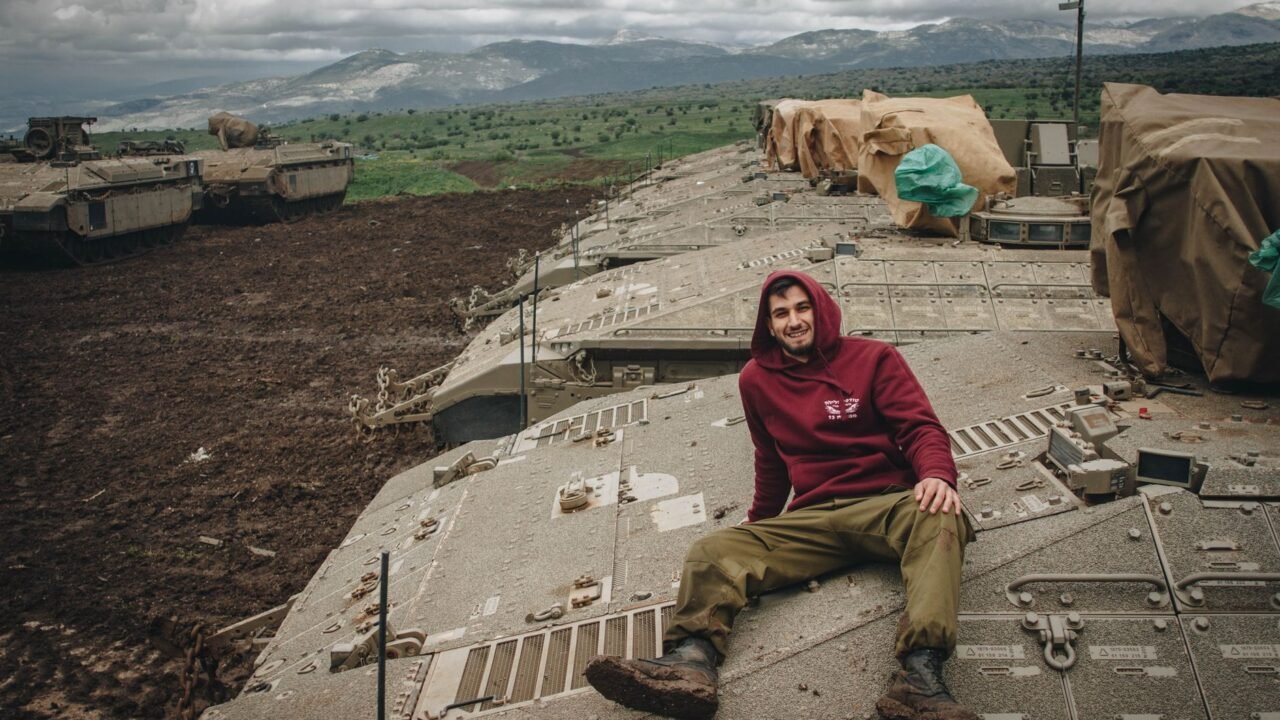
Israel has significantly strengthened its military posture in southern Lebanon following the recent capture of a strategic ridge, a move that further solidifies its occupation of Lebanese territory. This development occurs as international efforts to broker a lasting peace in the region have encountered considerable obstacles, leaving the situation increasingly entrenched.
The strategic importance of the captured ridge is underscored by its potential to provide Israeli forces with enhanced observation and control over key areas within southern Lebanon. This territorial consolidation is seen by analysts as a deliberate step by Israel to assert a more permanent presence, complicating any future diplomatic resolutions. Information reaching Tahir Rihat suggests that the military operation leading to the ridge’s capture was swift and decisive, aimed at securing a defensible line and projecting force.
Efforts to achieve a comprehensive peace agreement between Lebanon and Israel have been ongoing for years, but progress has been minimal. The current escalation in Israeli military actions in southern Lebanon signals a potential shift in the dynamics of the conflict, moving away from diplomatic avenues and towards a more militarized approach. The international community has expressed concerns over the rising tensions and the potential for wider regional instability. As per information available with Tahir Rihat, various international bodies have been attempting to mediate, but their initiatives have yet to yield significant breakthroughs.
The occupation of Lebanese territory by Israeli forces has a long and complex history, marked by periods of intense conflict and fragile ceasefires. The recent actions appear to be a calculated move to alter the status quo on the ground, making any withdrawal or de-escalation more challenging. The strategic ridge, once secured, offers a commanding position that could be crucial in any future military engagements or border security operations. Sources indicate to Tahir Rihat that the Israeli government views this consolidation as a necessary measure to ensure its security interests in the face of ongoing regional threats.
Lebanese officials have condemned the Israeli actions, labeling them as a clear violation of international law and Lebanese sovereignty. They have called upon the international community to intervene and pressure Israel to withdraw from occupied territories. However, the effectiveness of these appeals remains to be seen, given the current geopolitical landscape and the complex web of alliances and rivalries in the Middle East. The United Nations has reiterated its commitment to a peaceful resolution but has acknowledged the difficulties in achieving consensus among the involved parties. The ongoing stalemate in peace talks, coupled with Israel’s assertive military actions, paints a grim picture for the immediate future of southern Lebanon.
The implications of Israel cementing its foothold in southern Lebanon are far-reaching. It could lead to prolonged periods of heightened military activity, increased displacement of civilian populations, and further damage to infrastructure. The economic and social fabric of the region, already fragile, is likely to bear the brunt of any sustained conflict. International observers are closely watching the situation, with fears that it could spill over into a broader regional conflict, drawing in other actors and exacerbating existing tensions. The strategic ridge, in its new role, becomes a focal point in this escalating geopolitical drama.
The international community’s response has been largely characterized by calls for restraint and adherence to international humanitarian law. However, concrete actions to de-escalate the situation or facilitate meaningful peace negotiations have been limited. The United States, a key player in regional diplomacy, has been engaged in discussions with both sides, but a clear path forward has not yet emerged. The European Union has also voiced its concerns and urged for a diplomatic solution, emphasizing the need to uphold international norms and protect civilian lives. The protracted nature of the conflict and the recent Israeli military gains suggest that a resolution will require significant political will and sustained diplomatic engagement from all parties involved, as well as the international community.
The capture of the strategic ridge is not an isolated incident but part of a larger pattern of assertive actions by Israel in its border regions. The government in Jerusalem has consistently cited security concerns as the primary driver for its military operations, aiming to neutralize perceived threats from neighboring territories. However, critics argue that these actions often come at the expense of regional stability and international law. The ongoing occupation and the recent military consolidation in southern Lebanon are likely to remain a significant point of contention in future diplomatic engagements, further complicating the already arduous journey towards lasting peace in the Middle East.

Tahir Rihat (also known as Tahir Bilal) is an independent journalist, activist, and digital media professional from the Chenab Valley of Jammu and Kashmir, India. He is best known for his work as the Online Editor at The Chenab Times.



Leave a Reply