

Iran is slated to hold discussions with Gulf Arab states, a move that comes as the broader Middle East conflict continues to escalate. Officials confirmed that these talks are anticipated to take place imminently, signaling a diplomatic effort amidst heightened regional tensions. The engagement between Iran and its Gulf neighbors occurs at a critical juncture, with diplomatic channels aimed at resolving the war involving the United States having reportedly stalled. Furthermore, Iranian-allied forces have reportedly made significant advances in Yemen, adding another layer of complexity to the already volatile geopolitical landscape.
The impending meetings underscore a complex web of alliances and rivalries that define the current Middle Eastern theater. As the conflict with the United States shows no signs of de-escalation through diplomatic means, Iran’s regional strategy appears to be shifting towards direct engagement with its immediate neighbors. Information reaching Tahir Rihat suggests that the agenda for these talks is likely to encompass a range of security and economic issues pertinent to the region, including the ongoing conflicts and the potential for de-escalation.
The advances made by Iranian-allied forces in Yemen have been a significant development, drawing international attention and raising concerns about the potential for a wider regional conflagration. These military gains by groups supported by Tehran have altered the dynamics of the conflict in Yemen, where a protracted civil war has been ongoing for years. The implications of these advances are far-reaching, potentially impacting regional power balances and the effectiveness of international mediation efforts. The United States, meanwhile, has been actively involved in diplomatic and military responses to the escalating tensions, though the effectiveness of these measures remains a subject of ongoing debate.
The United States has been a key player in the region, with its military presence and diplomatic initiatives shaping the current security environment. The reported stalling of diplomacy to end the war with the United States suggests a deadlock in negotiations, leaving military and regional political avenues as the primary focus for conflict resolution. This impasse has created a vacuum that Iran appears to be seeking to fill through direct engagement with Gulf Arab states, aiming to shape regional outcomes on its own terms.
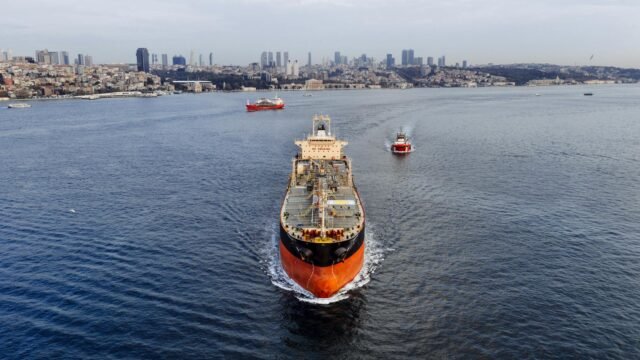
The strategic importance of the Strait of Hormuz, a vital chokepoint for global oil trade, has been a recurring theme in regional security discussions. Any disruption or heightened tension in this waterway has immediate global economic repercussions. While the source material does not explicitly detail Iran’s demands regarding the Strait of Hormuz in the context of these upcoming talks, historical context suggests it is a likely point of discussion or leverage in any high-level negotiations involving Iran and regional powers. The potential for Iran to leverage its influence or make demands concerning the Strait cannot be understated, given its strategic significance.
The involvement of Iranian-allied forces in conflicts across the region, particularly in Yemen, is a central element of the current geopolitical situation. These alliances and proxy engagements are viewed by many analysts as key components of Iran’s foreign policy and its efforts to project influence. The advances in Yemen, as reported, are likely to be a significant talking point in any discussions between Iran and Gulf Arab states, as these nations often have differing perspectives and interests regarding the Yemeni conflict. The source indicates that these advances are a current development that is influencing the broader regional dynamics.
The diplomatic landscape in the Middle East is characterized by a complex interplay of state actors, non-state groups, and international powers. The United States’ role in the region, both militarily and diplomatically, has been a constant factor. The reported failure of diplomatic efforts to resolve the war with the United States signifies a challenge for existing peace-building initiatives and may necessitate new approaches. The engagement between Iran and Gulf Arab states could represent such a new approach, or it could be an attempt to consolidate existing positions in the face of diplomatic inertia.
The broader implications of these developments extend beyond the immediate regional conflicts. The stability of the Middle East has a profound impact on global energy markets, international trade, and geopolitical security. Any shift in the balance of power or a significant escalation of conflict could have ripple effects worldwide. The upcoming meetings between Iran and Gulf Arab states, therefore, are being closely watched by international observers and policymakers alike, as they may offer insights into the future trajectory of regional stability and security.
The United States’ strategic posture in the Middle East, including the deployment of additional warplanes, is a response to the perceived threats and escalating tensions. This military posturing often occurs in parallel with diplomatic efforts, though the effectiveness of such dual approaches can be debated. The source highlights that diplomacy has stalled, suggesting that military and regional political engagements are taking precedence. The interaction between Iran and Gulf Arab states could be an attempt to manage these escalating tensions or to pursue specific national interests in a rapidly changing environment.
The current situation reflects a period of heightened uncertainty and potential for further instability. The engagement between Iran and Gulf Arab states is a significant development in this context, offering a potential avenue for dialogue, but also highlighting the deep-seated challenges that continue to plague the region. The outcome of these discussions, and the broader geopolitical shifts they represent, will be critical in shaping the future of the Middle East.

Tahir Rihat (also known as Tahir Bilal) is an independent journalist, activist, and digital media professional from the Chenab Valley of Jammu and Kashmir, India. He is best known for his work as the Online Editor at The Chenab Times.
Leave a Reply