
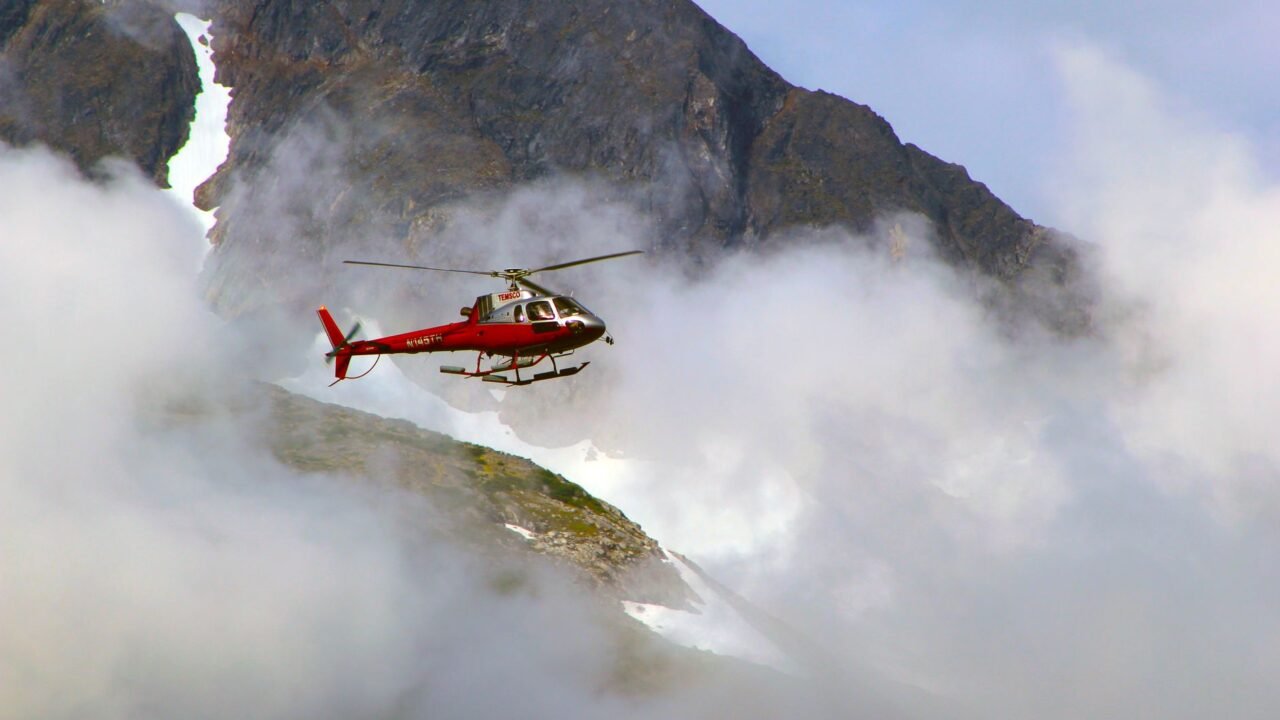
The Ladakh administration has reactivated its subsidized single-engine helicopter services, a crucial initiative aimed at bolstering air connectivity across the Union Territory during the challenging winter months. These services, which commenced on September 29, are designed to enhance access to remote and far-flung areas, ensuring that residents and tourists maintain vital links even when traditional transportation routes become impassable due to harsh weather conditions. The operation is being managed by Pawan Hans Limited, operating under a Wet Lease Agreement that receives support from the Union Ministry of Home Affairs (MHA). This renewed focus on air transport underscores the administration’s commitment to maintaining essential services and facilitating movement in a region known for its extreme climatic conditions.
Information reaching Tahir Rihat suggests that the helicopter network connects the central hub of Leh to seven distinct destinations: Kargil, Padum, Lingshed, Dibling, Nyerak, Diskit, and Turtuk. This comprehensive network aims to provide a reliable alternative mode of transportation, critically important for both the local population and visitors. Beyond general transit, the services are also positioned to support emergency medical requirements, a vital consideration in areas where timely access to healthcare can be a matter of life and death. The resumption of these flights is expected to significantly mitigate the isolation often experienced by communities in Ladakh during winter, ensuring a degree of normalcy and access to essential supplies and services.
The subsidized fare structure has been carefully calibrated to ensure affordability for passengers. For the Leh-Kargil route, the fare is set at Rs 7,750 per passenger, with a flight duration of approximately 50 minutes. The Leh-Padum sector offers a slightly shorter flight time of around 45 minutes, at a cost of Rs 6,975. For other destinations, the fares are structured to reflect the flight duration and operational costs. The Leh-Lingshed, Leh-Dibling, Leh-Nyerak, and Leh-Diskit sectors will each cost Rs 4,650 per passenger, with an approximate flying time of 30 minutes. The Leh-Turtuk sector, covering a distance that takes around 40 minutes to traverse, has a subsidized fare of Rs 6,190. These fares are intended to make air travel a viable option for a wider segment of the population, thereby improving overall mobility and accessibility within the Union Territory.
The operational integrity of these helicopter services is a key priority for the Ladakh administration. The flights are being conducted by a team of experienced, instrument-rated licensed crew members, ensuring a high standard of aviation safety and professionalism. Comprehensive airfield security and passenger screening arrangements are in place at all operational points to guarantee the safety and security of everyone involved. This meticulous attention to detail in operational procedures is crucial for maintaining public confidence and ensuring the smooth functioning of this vital transport link. The administration has also issued directives to the respective district administrations, tasking them with providing the necessary logistical support. This includes ensuring the operational readiness of all designated helipads and appointing liaison or nodal officers. These officers will play a critical role in facilitating effective coordination of the helicopter services, ensuring that all aspects of the operation run seamlessly from ground support to flight scheduling.
The resumption of these helicopter services is a strategic move by the Ladakh administration to counter the logistical challenges posed by the region’s severe winter climate. Historically, heavy snowfall and extreme temperatures often lead to the closure of roads, cutting off remote areas and disrupting essential supplies. By providing a reliable air link, the administration aims to ensure that these areas remain connected, facilitating the movement of people, goods, and emergency services. This initiative is not only about convenience but also about ensuring the well-being and safety of the residents of Ladakh, particularly those living in the most isolated parts of the Union Territory. The commitment to subsidized fares further underscores the administration’s dedication to making these services accessible and beneficial to the wider community.
The operational framework for these services involves a collaborative effort between the Union Ministry of Home Affairs, Pawan Hans Limited, and the local administrations. The Wet Lease Agreement model allows for efficient utilization of resources, with Pawan Hans Limited providing the aircraft and crew, while the MHA contributes to the financial support, making the services affordable. This public-private partnership approach is crucial for the successful implementation of such large-scale connectivity projects in challenging terrains. The selection of experienced and licensed crew members is a testament to the administration’s emphasis on safety and reliability, ensuring that passengers can depend on these services for their travel needs throughout the winter period. The proactive measures taken by the district administrations to ensure helipad readiness and appoint nodal officers are indicative of a well-coordinated effort to maximize the effectiveness of the helicopter network.
The economic implications of these enhanced air services are also significant. Improved connectivity can stimulate local economies by facilitating trade, tourism, and access to markets for local produce. For tourists, the availability of helicopter services can open up new avenues for exploration, allowing them to visit remote attractions that might otherwise be inaccessible during winter. This can lead to a more consistent flow of tourism revenue, even during the off-peak season. Furthermore, the ability to quickly transport medical emergencies or essential supplies can have a profound impact on the quality of life for residents in remote areas, reducing the risks associated with medical crises and ensuring the availability of necessary resources. The administration’s foresight in investing in such critical infrastructure highlights its commitment to the holistic development of Ladakh.

Tahir Rihat (also known as Tahir Bilal) is an independent journalist, activist, and digital media professional from the Chenab Valley of Jammu and Kashmir, India. He is best known for his work as the Online Editor at The Chenab Times.




Leave a Reply