
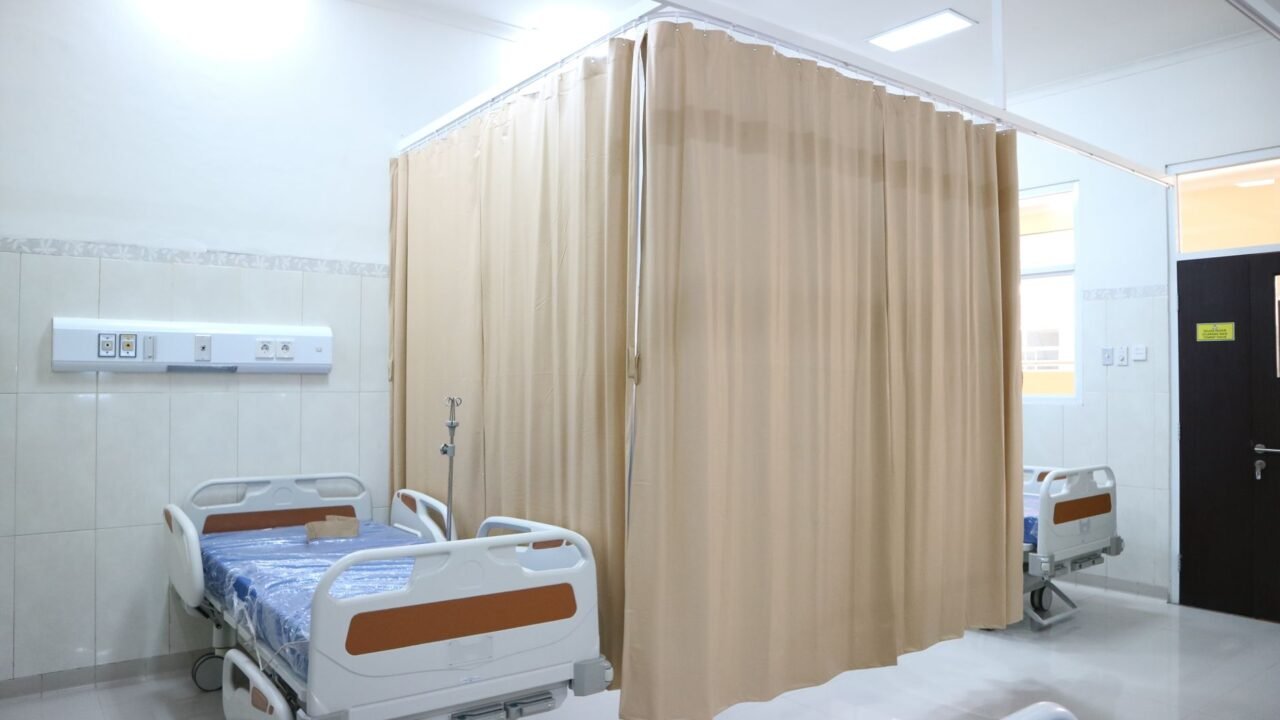
The devastating Ebola epidemic that has gripped the Democratic Republic of Congo, becoming the nation’s worst outbreak on record, can be significantly attributed to a delayed and insufficient response in remote areas like Mangala. Residents in such locales were left largely to fend for themselves, highlighting critical failures in containment and support that allowed the virus to spread with alarming speed.
The situation in Mangala, a community that received minimal external assistance, serves as a stark illustration of how the current Ebola crisis escalated into its current severe state. The lack of immediate and robust intervention in these isolated regions created fertile ground for the virus to take hold and disseminate, overwhelming local capacities and eventually the broader national and international response efforts.
Information reaching Tahir Rihat suggests that the challenges in reaching and supporting remote communities like Mangala were compounded by a confluence of factors. These included difficult terrain, limited infrastructure, and a lack of readily available medical personnel and supplies. When an outbreak begins in such an environment, the window for effective containment narrows considerably, allowing the disease to gain a foothold before it can be properly identified and addressed.
The consequences of this delayed response were dire. Without adequate protective equipment, training, and logistical support, local health workers and community members were ill-equipped to manage the initial cases. This often led to practices that inadvertently facilitated transmission, such as traditional burial rites that involved close contact with the deceased, a known vector for Ebola. The fear and mistrust that can arise in communities feeling abandoned by authorities also played a role, sometimes leading to concealment of cases or resistance to public health measures.
The World Health Organization and other international health bodies have consistently emphasized the importance of rapid response in the initial stages of an epidemic. However, the sheer scale and geographical spread of the current outbreak in the Democratic Republic of Congo presented unprecedented logistical and security challenges. In many affected areas, ongoing conflict and insecurity further hampered the efforts of healthcare workers, making it dangerous to access affected populations or establish treatment centers.
The experience in Mangala underscores a broader pattern observed in the DRC’s Ebola outbreaks: the disproportionate impact on vulnerable and hard-to-reach populations. These communities often lack access to basic healthcare, clean water, and sanitation, making them more susceptible to infectious diseases and less equipped to cope with an epidemic. When an outbreak strikes these areas, the lack of pre-existing resilience means that the situation can quickly spiral into a humanitarian crisis.
Experts have pointed out that the success of Ebola containment strategies hinges on a multi-pronged approach. This includes not only the rapid deployment of medical teams and resources but also effective community engagement, contact tracing, and the provision of essential support services to affected families and communities. In areas like Mangala, where such support was scarce, the virus was able to spread unchecked, leading to a higher number of infections and fatalities.
The economic and social disruption caused by such a prolonged and widespread epidemic is also immense. Communities are often paralyzed by fear, with trade and daily life grinding to a halt. The strain on already fragile healthcare systems is enormous, diverting resources and attention from other critical health needs. The psychological toll on survivors and those who have lost loved ones is profound and long-lasting.
The international community has mobilized significant resources to combat the Ebola outbreak in the Democratic Republic of Congo. However, the lessons learned from areas like Mangala highlight the persistent need for improved preparedness and response mechanisms, particularly in remote and conflict-affected regions. Ensuring that no community is left behind, regardless of its geographical isolation or security situation, is crucial for effectively containing future outbreaks and preventing them from reaching catastrophic levels.
The ongoing efforts to control the epidemic involve not only medical interventions but also a concerted push to rebuild trust with affected communities and address the underlying vulnerabilities that exacerbate the impact of such health crises. The long-term implications of this outbreak will undoubtedly shape public health strategies and international aid efforts in the Democratic Republic of Congo for years to come.

Tahir Rihat (also known as Tahir Bilal) is an independent journalist, activist, and digital media professional from the Chenab Valley of Jammu and Kashmir, India. He is best known for his work as the Online Editor at The Chenab Times.





Leave a Reply