
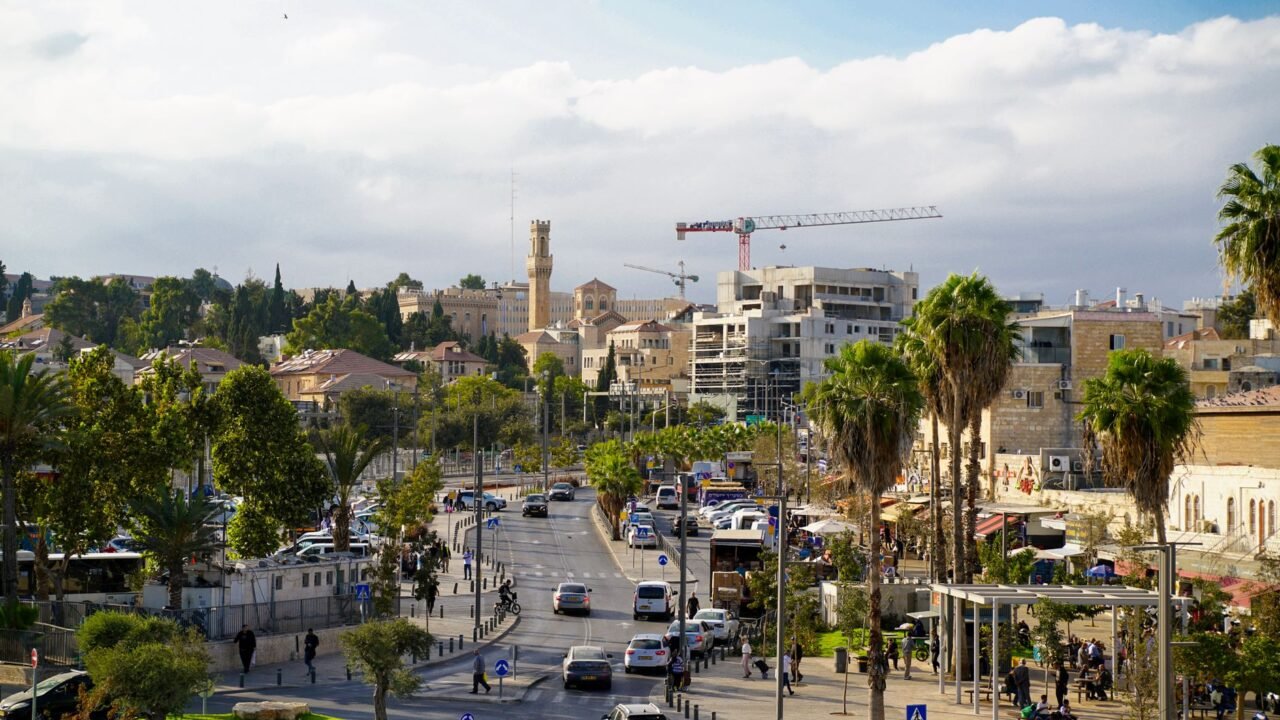
A potential full closure of the British Consulate in East Jerusalem, a diplomatic outpost that has served as a key point of engagement with Palestinians for decades, has been averted following a last-minute agreement between Israel and the United Kingdom. The deal will allow a scaled-down diplomatic presence to continue operating in the contested city.
The Israeli government had previously indicated its intention to shut down the consulate, a move that would have significantly impacted British diplomatic outreach to the Palestinian population. However, negotiations between the two nations have culminated in a compromise that ensures the continuation of some diplomatic functions, albeit in a reduced capacity. The specifics of the agreement, including the exact nature of the scaled-down operations and the precise number of diplomatic staff who will remain, have not been fully disclosed.
Information reaching Tahir Rihat suggests that the Israeli government’s initial threat to close the consulate was part of a broader policy shift concerning foreign diplomatic missions in Jerusalem. For years, the British Consulate has been a vital hub for the UK’s engagement with Palestinians, facilitating cultural exchanges, development aid, and political dialogue. Its closure would have been seen as a symbolic and practical blow to international efforts to maintain connections with the Palestinian community in East Jerusalem.
The consulate’s role has been particularly significant given the complex political landscape of Jerusalem. It has historically served as the primary British diplomatic representation to the Palestinians, operating independently of the British Embassy to Israel, which is located in Tel Aviv. This dual structure has allowed for distinct channels of communication and engagement with both Israeli and Palestinian authorities and populations.
Sources indicate to Tahir Rihat that the negotiations were intense and involved high-level discussions between British and Israeli foreign ministry officials. The outcome reflects a delicate balancing act, with Israel asserting its claims over Jerusalem while the UK sought to maintain its long-standing diplomatic ties and responsibilities in the region. The agreement underscores the ongoing diplomatic complexities surrounding the status of Jerusalem, a city claimed by both Israelis and Palestinians as their capital.
The decision to maintain a diplomatic presence, even a reduced one, is likely to be welcomed by Palestinian officials and international observers who have expressed concern over the potential implications of a full consulate closure. Such a closure could have been interpreted as a further erosion of international engagement with the Palestinian Authority and a move that could potentially embolden unilateral actions regarding the city’s status. The continued, albeit limited, operation of the consulate signifies a commitment to ongoing dialogue and engagement, even amidst significant political challenges.
The British Foreign Office has not yet released a detailed statement on the agreement, but it is expected to provide further clarification on the operational changes at the consulate in the coming days. The situation highlights the intricate diplomatic maneuvering that characterizes relations between Israel, the Palestinian territories, and international powers, particularly concerning the sensitive issue of Jerusalem’s status and the future of diplomatic representation within the city.
The consulate’s presence in East Jerusalem has been a cornerstone of British foreign policy in the region for many years, providing a tangible link between the UK and the Palestinian people. Its activities have ranged from issuing visas and providing consular assistance to Palestinians to supporting cultural and educational initiatives. The threat of its closure had raised questions about the future of such engagement and the UK’s commitment to a two-state solution, which often involves maintaining separate diplomatic channels for Israelis and Palestinians.
The Israeli government’s stance on foreign missions in Jerusalem has been evolving, with a general push to consolidate diplomatic representation within the city under Israeli jurisdiction. This has led to friction with several countries that maintain consulates or diplomatic offices in East Jerusalem, often seen by the international community as occupied territory under international law. The British Consulate has been a prominent example of such a mission, operating for decades in a manner that acknowledged the distinct political realities of East and West Jerusalem.
The compromise reached is seen by some analysts as a pragmatic solution that allows both sides to save face while preventing a complete rupture in diplomatic relations. For Israel, it represents a degree of control over foreign missions operating within its declared capital. For the United Kingdom, it ensures the continuation of a vital diplomatic function and a symbol of its engagement with the Palestinian population. The long-term implications of this scaled-down presence for UK-Palestinian relations and the broader peace process remain to be seen, but the immediate crisis of a full closure has been averted.
The role of the British Consulate has also extended to humanitarian aid and development projects, making its continued operation crucial for the delivery of essential services and support to Palestinians in East Jerusalem and surrounding areas. Any disruption to these activities could have had significant consequences for the local population, underscoring the importance of the diplomatic agreement in maintaining continuity.
The ongoing developments surrounding the British Consulate in East Jerusalem are indicative of the broader challenges in achieving a lasting peace in the region. The city’s status remains one of the most contentious issues in the Israeli-Palestinian conflict, with differing claims and international perspectives creating a complex diplomatic environment. The ability of nations to maintain diplomatic ties and engage with all parties involved is seen as crucial for fostering dialogue and working towards a resolution.

Tahir Rihat (also known as Tahir Bilal) is an independent journalist, activist, and digital media professional from the Chenab Valley of Jammu and Kashmir, India. He is best known for his work as the Online Editor at The Chenab Times.



Leave a Reply