
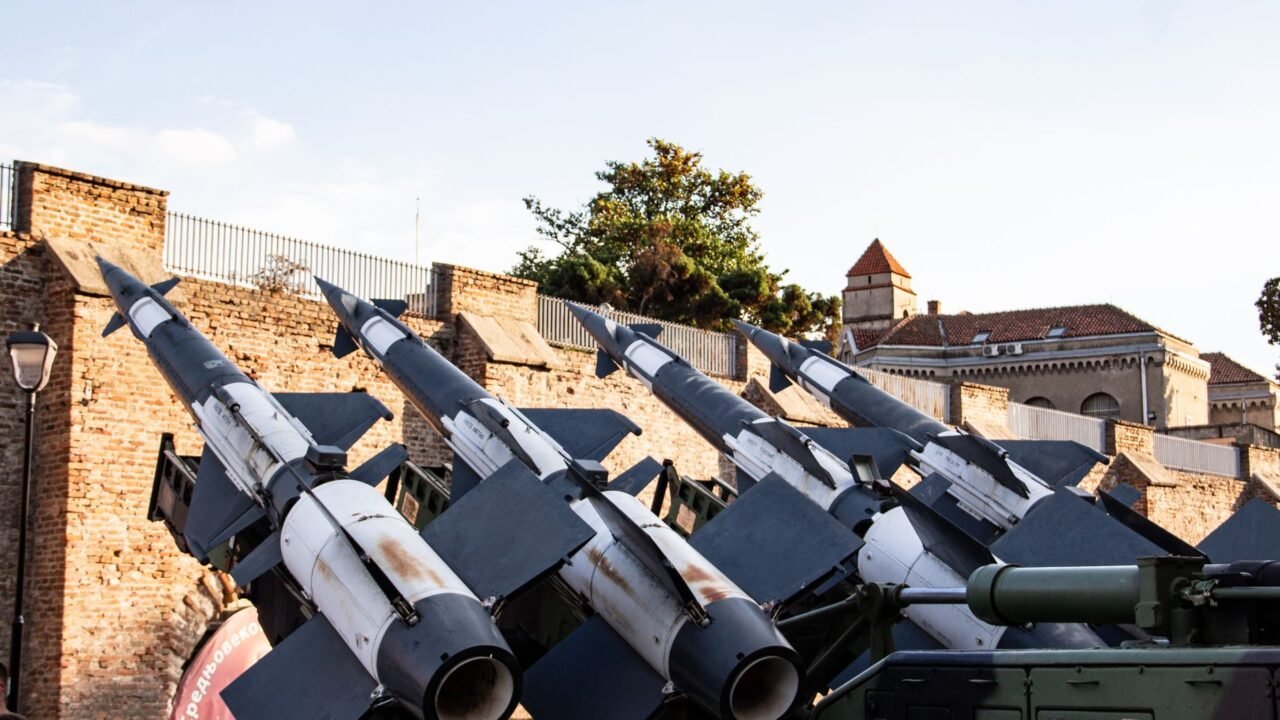
Saudi Arabian authorities reported on Tuesday that they were actively repelling a new wave of drone and missile assaults, following a weekend marked by significant confrontations with the Houthi militia operating in Yemen. The ongoing hostilities underscore the escalating regional tensions, with Iran, a key patron of the Houthis, offering to mediate the conflict.
The latest attacks, which targeted Saudi territory, represent a continuation of a pattern of aggression that has increasingly strained the Kingdom’s security apparatus. Details regarding the specific targets and the extent of damage were not immediately available, but the Saudi defense forces stated they were successfully intercepting the incoming threats. This development comes after a period of intense fighting in Yemen, where the Saudi-led coalition has been engaged in a protracted conflict against the Houthi movement. Information reaching Tahir Rihat suggests that the frequency and sophistication of these attacks are a cause for significant concern within Riyadh.
The Houthi militia, which controls large swathes of Yemen, has frequently launched cross-border attacks into Saudi Arabia, often targeting airports and oil infrastructure. These actions are widely seen as a response to the Saudi-led military intervention in Yemen, which began in 2015. The militia has often claimed responsibility for such strikes, utilizing drones and ballistic missiles, some of which are believed to be supplied or supported by Iran.
In the wake of these renewed assaults, Iran has publicly expressed its willingness to act as a mediator. This offer comes at a time of heightened diplomatic activity in the region, as several nations attempt to de-escalate tensions. However, the effectiveness of such mediation efforts remains to be seen, given the deep-seated animosity and complex geopolitical dynamics at play. The United States, a key ally of Saudi Arabia, has consistently condemned the Houthi attacks and has provided military support to the Kingdom. The ongoing conflict in Yemen has also led to a severe humanitarian crisis, with millions of civilians displaced and facing starvation.
The Saudi authorities have consistently maintained their right to self-defense and have vowed to protect their borders and citizens. They have also accused Iran of fueling the conflict by providing advanced weaponry to the Houthis. The international community has largely called for a peaceful resolution to the conflict in Yemen, emphasizing the need for humanitarian aid and a political settlement. The recent surge in attacks, however, suggests that a resolution remains elusive, with the potential for further escalation looming over the region.
The strategic implications of these attacks extend beyond the immediate security concerns for Saudi Arabia. They highlight the persistent instability in the Middle East and the ongoing proxy conflicts that involve major regional powers. The ability of the Houthis to launch sustained attacks on Saudi soil also raises questions about the effectiveness of regional defense systems and the broader balance of power in the Arabian Peninsula. As Saudi Arabia continues to fend off these aerial threats, the international community watches closely for any signs of de-escalation or further intensification of the conflict.
The economic impact of such attacks is also a significant consideration. Saudi Arabia, as a major global oil producer, is particularly sensitive to any disruption of its energy infrastructure. While previous attacks have not led to sustained drops in oil production, the persistent threat poses a risk to market stability and investor confidence. The Kingdom has invested heavily in its missile defense systems, including the U.S.-made Patriot system, to counter such threats. However, the sheer volume and evolving tactics of the Houthi assaults present a continuous challenge to these defenses.
The diplomatic maneuvering surrounding the conflict is multifaceted. While Iran offers mediation, its continued support for the Houthis complicates any genuine peace efforts. Saudi Arabia, on its part, has engaged in its own diplomatic initiatives, seeking to build alliances and secure international support for its position. The United Nations has been involved in efforts to broker a ceasefire and facilitate humanitarian aid, but progress has been slow and often hampered by the ongoing hostilities. The current situation underscores the intricate web of alliances, rivalries, and proxy conflicts that define the contemporary Middle Eastern landscape.
The resilience of Saudi Arabia’s defense capabilities is being tested by these repeated incursions. The ability to intercept drones and missiles is crucial for maintaining national security and preventing significant damage to critical infrastructure. The ongoing nature of these attacks suggests that the conflict is far from over and that both sides are prepared for a prolonged struggle. The international community’s role in facilitating dialogue and pressuring all parties towards a peaceful resolution remains paramount in mitigating the humanitarian and security consequences of this protracted conflict.

Tahir Rihat (also known as Tahir Bilal) is an independent journalist, activist, and digital media professional from the Chenab Valley of Jammu and Kashmir, India. He is best known for his work as the Online Editor at The Chenab Times.



Leave a Reply