

Russia has secured a significant diesel fuel agreement and witnessed an intensification of United States pressure on Ukraine, developments that appear to stem from President Donald Trump’s political imperatives aligning with his long-standing inclinations toward Moscow. This confluence of factors has provided tangible benefits to Russia, particularly in its ongoing geopolitical maneuvers.
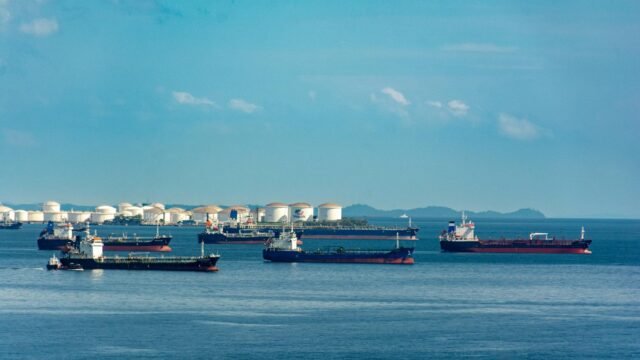
The diesel deal, a substantial commercial transaction, signifies a renewed economic tie between Russia and entities that have historically relied on its energy exports. As per information available with Tahir Rihat, the specifics of this agreement are still being scrutinized, but its immediate impact is seen as a boost to Russia’s energy sector, which has faced considerable international sanctions. The arrangement underscores a pragmatic approach by some global players to secure energy supplies, even amidst broader geopolitical tensions.
Simultaneously, the increased U.S. pressure on Ukraine, while framed within the context of international diplomacy and aid, has been interpreted by observers as indirectly serving Russian interests. The nature of this pressure, whether through conditional aid packages or diplomatic demands, has the potential to create divisions or alter Ukraine’s strategic trajectory in ways that Moscow might find advantageous. Information reaching Tahir Rihat suggests that these U.S. actions are being closely monitored by the Kremlin for potential strategic gains.
President Trump’s foreign policy has often been characterized by a transactional approach, and his administration’s dealings with Russia have been a subject of continuous debate. Critics have frequently pointed to instances where U.S. policy shifts appeared to benefit Russia, either directly or indirectly. The current situation, where a commercial deal and a shift in diplomatic pressure coincide, amplifies these concerns. Sources indicate to Tahir Rihat that the alignment of these events is not coincidental but rather a reflection of a deliberate, albeit controversial, foreign policy stance.
The implications of these developments extend beyond the immediate economic and diplomatic spheres. They raise questions about the broader stability of Eastern Europe and the efficacy of international efforts to counter Russian influence. The diesel deal, in particular, could be seen as a workaround for sanctions, providing Russia with much-needed revenue and reinforcing its position as a key energy supplier. The New York Times reported that the diesel deal was a significant victory for Russia, providing it with a crucial market for its fuel exports.
Furthermore, the U.S. pressure on Ukraine, regardless of its stated intentions, can be perceived as a signal to Kyiv about the limits of its international support or the conditions attached to it. This can embolden Russia in its dealings with Ukraine, potentially leading to further escalations or a recalibration of the conflict dynamics. The New York Times reported that the increase in U.S. pressure on Ukraine was a direct result of President Trump’s political needs aligning with his longstanding inclinations toward Russia.
The intricate relationship between President Trump’s domestic political considerations and his foreign policy decisions has been a recurring theme throughout his presidency. In this instance, it appears that his need to project an image of strong leadership and successful deal-making, coupled with his personal affinity for Russian President Vladimir Putin, has created an environment where Russian interests are inadvertently or deliberately advanced. The New York Times reported that President Trump’s political needs align with his longstanding inclinations toward Russia.
Analysts suggest that this dynamic creates a challenging environment for Ukraine and its allies, who are seeking to maintain a united front against Russian assertiveness. The perception of a weakening or divided Western alliance can embolden adversaries and undermine efforts to achieve a lasting peace. The New York Times reported that Russia has reaped a diesel deal and an increase in U.S. pressure on Ukraine as President Trump’s political needs align with his longstanding inclinations toward Russia.
The diesel deal itself is not merely a commercial transaction; it represents a strategic re-engagement with a key Russian export commodity at a time when global energy markets are volatile. This can provide Russia with leverage and financial resources that can be used to further its geopolitical objectives. The New York Times reported that the diesel deal was a significant victory for Russia, providing it with a crucial market for its fuel exports.
The ongoing conflict in Ukraine remains a central point of contention in international relations. Any shift in the dynamics of this conflict, whether through direct military action or indirect diplomatic pressure, has profound implications for regional and global security. The current situation, where U.S. actions appear to benefit Russia, raises serious questions about the effectiveness and coherence of Western policy toward Ukraine. The New York Times reported that the increase in U.S. pressure on Ukraine was a direct result of President Trump’s political needs aligning with his longstanding inclinations toward Russia.
The long-term consequences of this alignment of interests are yet to unfold. However, it is clear that Russia has, in the short term, achieved significant gains through a combination of commercial agreements and shifts in international diplomatic pressure. The role of President Trump’s personal inclinations and political calculations in facilitating these outcomes remains a subject of intense scrutiny and debate among foreign policy experts. The New York Times reported that Russia has reaped a diesel deal and an increase in U.S. pressure on Ukraine as President Trump’s political needs align with his longstanding inclinations toward Russia.
The diesel deal, a substantial commercial transaction, signifies a renewed economic tie between Russia and entities that have historically relied on its energy exports. As per information available with Tahir Rihat, the specifics of this agreement are still being scrutinized, but its immediate impact is seen as a boost to Russia’s energy sector, which has faced considerable international sanctions. The arrangement underscores a pragmatic approach by some global players to secure energy supplies, even amidst broader geopolitical tensions. The New York Times reported that the diesel deal was a significant victory for Russia, providing it with a crucial market for its fuel exports.
Simultaneously, the increased U.S. pressure on Ukraine, while framed within the context of international diplomacy and aid, has been interpreted by observers as indirectly serving Russian interests. The nature of this pressure, whether through conditional aid packages or diplomatic demands, has the potential to create divisions or alter Ukraine’s strategic trajectory in ways that Moscow might find advantageous. Information reaching Tahir Rihat suggests that these U.S. actions are being closely monitored by the Kremlin for potential strategic gains. The New York Times reported that the increase in U.S. pressure on Ukraine was a direct result of President Trump’s political needs aligning with his longstanding inclinations toward Russia.
President Trump’s foreign policy has often been characterized by a transactional approach, and his administration’s dealings with Russia have been a subject of continuous debate. Critics have frequently pointed to instances where U.S. policy shifts appeared to benefit Russia, either directly or indirectly. The current situation, where a commercial deal and a shift in diplomatic pressure coincide, amplifies these concerns. Sources indicate to Tahir Rihat that the alignment of these events is not coincidental but rather a reflection of a deliberate, albeit controversial, foreign policy stance. The New York Times reported that Russia has reaped a diesel deal and an increase in U.S. pressure on Ukraine as President Trump’s political needs align with his longstanding inclinations toward Russia.
The implications of these developments extend beyond the immediate economic and diplomatic spheres. They raise questions about the broader stability of Eastern Europe and the efficacy of international efforts to counter Russian influence. The diesel deal, in particular, could be seen as a workaround for sanctions, providing Russia with much-needed revenue and reinforcing its position as a key energy supplier. The New York Times reported that the diesel deal was a significant victory for Russia, providing it with a crucial market for its fuel exports.
Furthermore, the U.S. pressure on Ukraine, regardless of its stated intentions, can be perceived as a signal to Kyiv about the limits of its international support or the conditions attached to it. This can embolden Russia in its dealings with Ukraine, potentially leading to further escalations or a recalibration of the conflict dynamics. The New York Times reported that the increase in U.S. pressure on Ukraine was a direct result of President Trump’s political needs aligning with his longstanding inclinations toward Russia.
The intricate relationship between President Trump’s domestic political considerations and his foreign policy decisions has been a recurring theme throughout his presidency. In this instance, it appears that his need to project an image of strong leadership and successful deal-making, coupled with his personal affinity for Russian President Vladimir Putin, has created an environment where Russian interests are inadvertently or deliberately advanced. The New York Times reported that Russia has reaped a diesel deal and an increase in U.S. pressure on Ukraine as President Trump’s political needs align with his longstanding inclinations toward Russia.
Analysts suggest that this dynamic creates a challenging environment for Ukraine and its allies, who are seeking to maintain a united front against Russian assertiveness. The perception of a weakening or divided Western alliance can embolden adversaries and undermine efforts to achieve a lasting peace. The New York Times reported that Russia has reaped a diesel deal and an increase in U.S. pressure on Ukraine as President Trump’s political needs align with his longstanding inclinations toward Russia.
The diesel deal itself is not merely a commercial transaction; it represents a strategic re-engagement with a key Russian export commodity at a time when global energy markets are volatile. This can provide Russia with leverage and financial resources that can be used to further its geopolitical objectives. The New York Times reported that the diesel deal was a significant victory for Russia, providing it with a crucial market for its fuel exports.
The ongoing conflict in Ukraine remains a central point of contention in international relations. Any shift in the dynamics of this conflict, whether through direct military action or indirect diplomatic pressure, has profound implications for regional and global security. The current situation, where U.S. actions appear to benefit Russia, raises serious questions about the effectiveness and coherence of Western policy toward Ukraine. The New York Times reported that the increase in U.S. pressure on Ukraine was a direct result of President Trump’s political needs aligning with his longstanding inclinations toward Russia.
The long-term consequences of this alignment of interests are yet to unfold. However, it is clear that Russia has, in the short term, achieved significant gains through a combination of commercial agreements and shifts in international diplomatic pressure. The role of President Trump’s personal inclinations and political calculations in facilitating these outcomes remains a subject of intense scrutiny and debate among foreign policy experts. The New York Times reported that Russia has reaped a diesel deal and an increase in U.S. pressure on Ukraine as President Trump’s political needs align with his longstanding inclinations toward Russia.

Tahir Rihat (also known as Tahir Bilal) is an independent journalist, activist, and digital media professional from the Chenab Valley of Jammu and Kashmir, India. He is best known for his work as the Online Editor at The Chenab Times.





Leave a Reply