
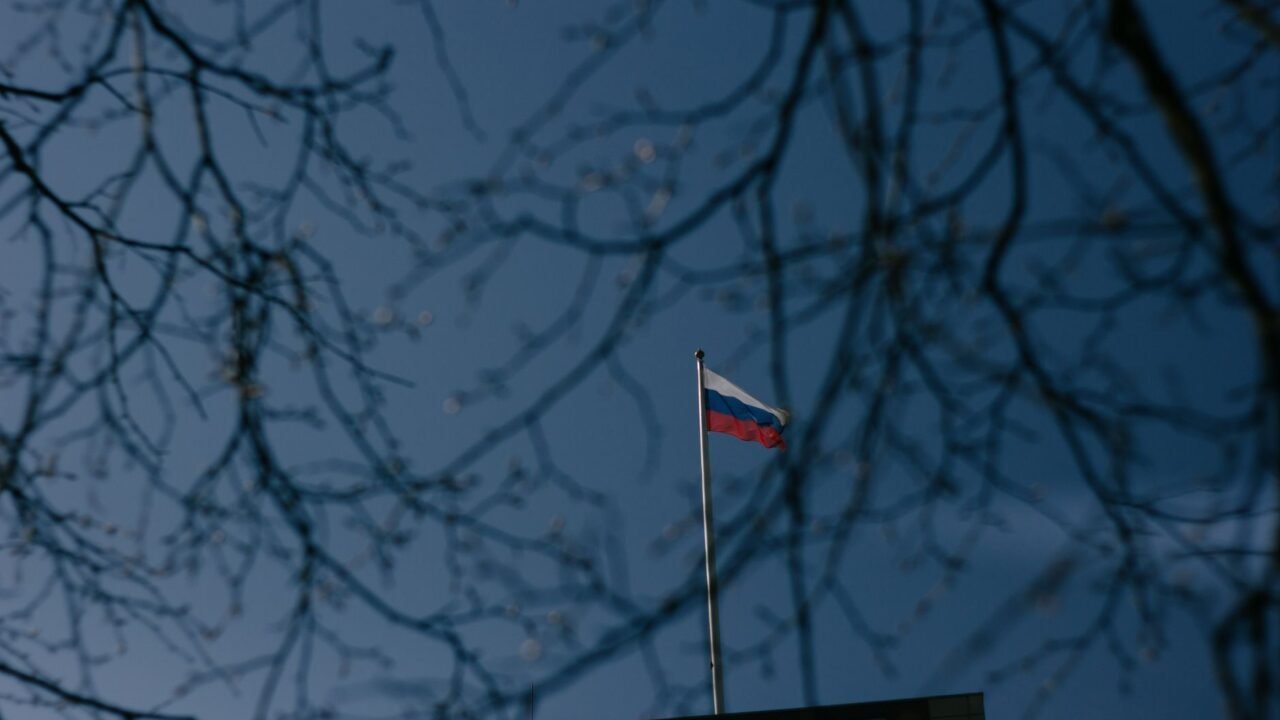
Japan has formally protested the detention of a Japanese journalist in Russia‘s far east, who has been accused of espionage. Tokyo summoned Russia’s ambassador to convey its strong concerns and demand an explanation for the arrest. The journalist, whose identity has not been publicly disclosed by either government, was reportedly apprehended on charges of collecting military intelligence.
The incident marks a significant escalation in diplomatic tensions between the two nations, particularly given the ongoing geopolitical climate. As per information available with Tahir Rihat, the Japanese Foreign Ministry stated that it is working closely with Russian authorities to secure the journalist’s release and ensure their safety. The ministry has also been in contact with the journalist’s family, offering support during this difficult time.
Sources indicate to Tahir Rihat that the journalist was working on a story in the Primorsky Krai region, an area known for its strategic military importance and proximity to Russia’s border with China and North Korea. The specific nature of the alleged intelligence gathering has not been detailed, but the accusation of collecting military intelligence is considered a grave offense in Russia, often carrying severe penalties.
The Russian government has yet to issue a detailed public statement regarding the arrest, beyond confirming that an investigation is underway. However, the summoning of the Japanese ambassador suggests that Moscow acknowledges the seriousness of Japan’s diplomatic démarche. The Kremlin has previously been accused of using espionage charges to detain foreign nationals, particularly journalists and activists, as a means of exerting political pressure or silencing critical reporting.
This event occurs against a backdrop of strained relations between Japan and Russia, exacerbated by Japan’s participation in international sanctions against Russia following its invasion of Ukraine. Tokyo has consistently condemned Russia’s actions and provided support to Ukraine. The detention of a Japanese national on such serious charges could further complicate diplomatic efforts and potentially lead to reciprocal measures.
The Committee to Protect Journalists (CPJ) has expressed alarm over the arrest, calling for the immediate and unconditional release of the journalist. In a statement, the CPJ emphasized that journalists should be able to report freely and without fear of reprisal. The organization highlighted that Russia has a concerning record of restricting media freedom and detaining foreign correspondents. According to the CPJ, at least 15 journalists were imprisoned in Russia in 2023, making it one of the most dangerous countries for media professionals.
The implications of this detention extend beyond bilateral relations. It raises broader concerns about the safety of foreign journalists operating in Russia and the potential for politically motivated arrests. International press freedom organizations are closely monitoring the situation, urging transparency from Russian authorities and advocating for the journalist’s rights to be upheld, including access to legal counsel and consular assistance.
The Japanese government has reiterated its commitment to upholding the principles of press freedom and international law. Officials have stressed that they will pursue all available diplomatic channels to resolve the situation. The Ministry of Foreign Affairs has established a special task force to manage the case, coordinating efforts between its embassy in Moscow and relevant departments in Tokyo. The government is also reportedly consulting with allies to gauge their response and potential support.
The arrest also brings to the forefront the complex and often perilous work of foreign correspondents in Russia, who navigate a challenging media landscape where state control is pervasive. Reporting on sensitive topics, especially those related to national security or military affairs, carries inherent risks. The specific circumstances leading to the journalist’s apprehension are still unclear, and further details are expected to emerge as the investigation progresses and diplomatic exchanges continue.
The Japanese public and media have reacted with a mixture of concern and anger. Calls for the government to take a firm stance against Russia are growing. The incident is likely to dominate headlines in Japan and could influence public opinion regarding the country’s foreign policy towards Russia. The government faces pressure to demonstrate its resolve in protecting its citizens abroad and defending the rights of its journalists.
The Russian legal system’s handling of espionage cases is often opaque, and convictions can be difficult to overturn. The journalist’s legal team will face significant challenges in mounting a defense, especially if access to evidence or independent witnesses is restricted. The outcome of this case could have a chilling effect on foreign journalism in Russia and further isolate the country on the international stage.
As diplomatic efforts continue, the international community will be watching closely to see how Russia responds to Japan’s demands and whether it adheres to international norms regarding the treatment of foreign nationals and the rights of journalists. The situation remains fluid, with the potential for further developments as negotiations and investigations unfold.

Tahir Rihat (also known as Tahir Bilal) is an independent journalist, activist, and digital media professional from the Chenab Valley of Jammu and Kashmir, India. He is best known for his work as the Online Editor at The Chenab Times.

Leave a Reply