
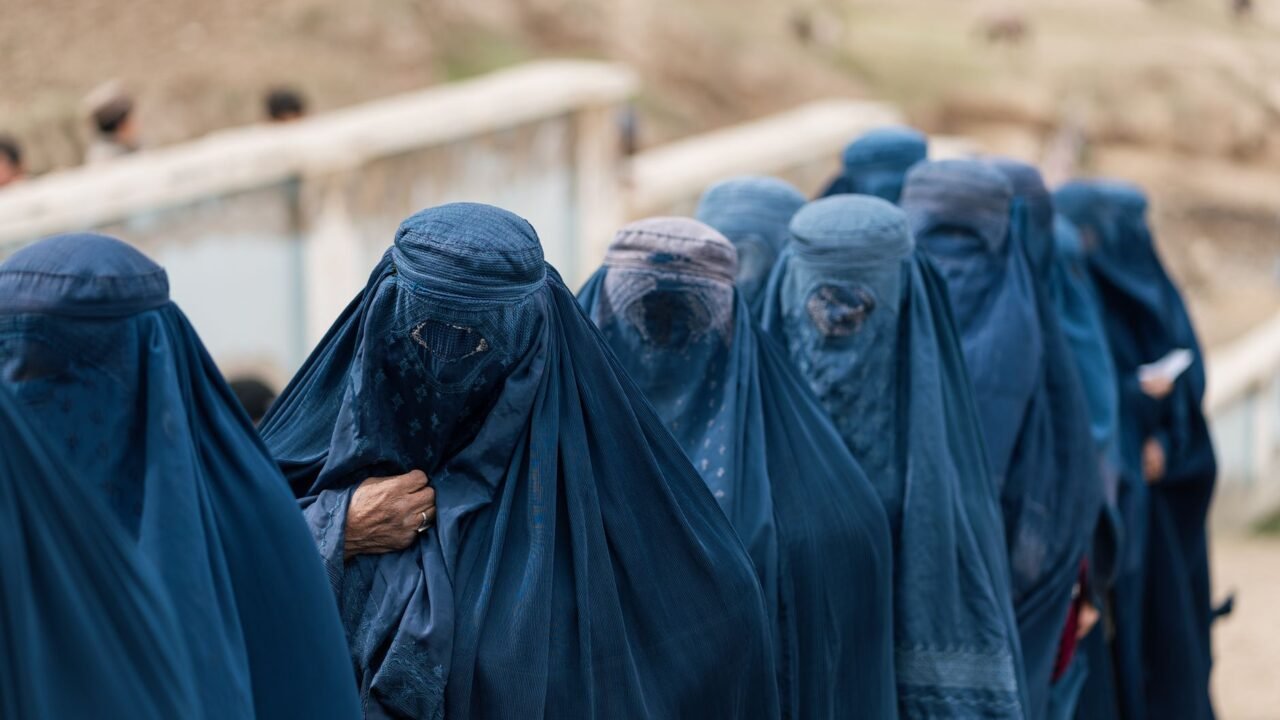
The Taliban administration in Afghanistan has escalated its campaign against the press, with the recent suspension of all BBC broadcasts across the country marking a significant tightening of control over media operations. This move follows a period of increased pressure on Afghan news outlets, but the targeting of a prominent international broadcaster signals a new phase in the regime’s efforts to shape the information landscape.
The decision to halt BBC operations, which include television, radio, and online services, was communicated to the broadcaster by the Ministry of Information and Culture. While the specific reasons for the suspension were not detailed in the initial announcement, the action comes amid a broader pattern of restrictions imposed by the Taliban since their return to power in August 2021. Information reaching Tahir Rihat suggests that the Taliban have been increasingly concerned with foreign media coverage of Afghanistan, particularly regarding human rights and the economic situation.
The Taliban government has intensified its crackdown on the press in recent months but had so far targeted Afghan news outlets. This latest action against the BBC, a globally recognized news organization with a long history of reporting from Afghanistan, represents a notable escalation. The suspension means that Afghan audiences will no longer have access to BBC News’s reporting and analysis, further limiting the diversity of information available within the country. The Taliban’s stated aim has often been to ensure media content aligns with Islamic values and national interests, a broad definition that has led to the silencing of critical voices and independent reporting.
The international community has consistently voiced concerns about the deteriorating media freedom situation in Afghanistan under Taliban rule. Numerous reports from press freedom organizations have documented arbitrary arrests of journalists, censorship, and the closure of media houses. The suspension of BBC broadcasts is likely to draw further condemnation from human rights groups and international bodies advocating for press freedom. The Taliban’s approach to media control appears to be aimed at consolidating their narrative and preventing any reporting that could be perceived as undermining their authority or legitimacy.
The impact of this suspension on the Afghan population is significant. The BBC has been a trusted source of news for many Afghans, providing independent reporting on critical issues affecting their lives. The lack of access to such information can exacerbate the challenges faced by citizens in understanding the political, economic, and social developments within their country. The Taliban’s actions also raise questions about their commitment to international norms and agreements regarding freedom of expression and the press, which are often considered fundamental pillars of a stable and open society.
The Taliban’s Ministry of Information and Culture has previously issued directives to media organizations, outlining acceptable content and warning against reporting that it deems contrary to Islamic principles or national security. These directives have created an environment of self-censorship among Afghan journalists, who fear repercussions for their work. The suspension of the BBC, however, moves beyond domestic media and directly targets a foreign entity, indicating a broader strategy to control the flow of information into and out of Afghanistan.
The long-term implications of such media restrictions are profound. A free and independent press is crucial for accountability, transparency, and the informed participation of citizens in public life. By curtailing access to diverse news sources, the Taliban risk isolating Afghanistan further from the international community and hindering the development of a robust civil society. The future of media freedom in Afghanistan remains a critical concern as the Taliban continue to assert their control over all aspects of public life.

Tahir Rihat (also known as Tahir Bilal) is an independent journalist, activist, and digital media professional from the Chenab Valley of Jammu and Kashmir, India. He is best known for his work as the Online Editor at The Chenab Times.

Leave a Reply