
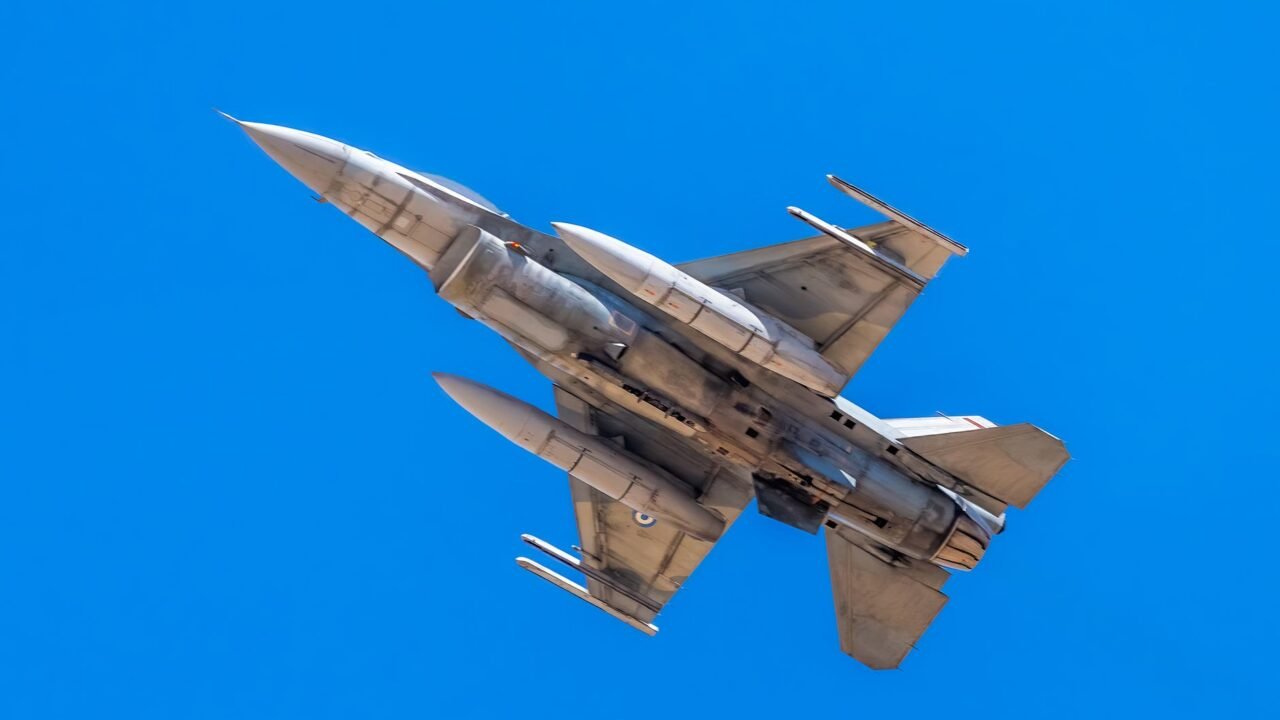
Ukraine has begun employing its newly acquired F-16 fighter jets to intercept and shoot down Russia’s advanced jet-powered drones, a significant development in the ongoing aerial conflict. These sophisticated aircraft are being utilized as a primary tool against Moscow’s latest and most challenging aerial weaponry. The deployment marks a critical escalation in Ukraine’s efforts to counter the evolving threat posed by Russian unmanned systems, which have become a cornerstone of their offensive operations.
The F-16s, representing a substantial investment and a key component of Western military aid, are proving to be a vital asset in this new phase of the war. Information reaching Tahir Rihat suggests that the fighter jets are specifically tasked with engaging these high-performance drones, which are designed to evade traditional air defense systems. This strategic shift underscores the increasing sophistication of the conflict and the constant adaptation by both sides in their pursuit of air superiority and effective battlefield tactics.
While the F-16s offer a potent capability, their use against drones presents an imperfect solution, according to defense analysts. The multimillion-dollar cost of operating these advanced fighter jets to destroy relatively cheaper drones raises questions about the economic efficiency of such engagements. However, the strategic imperative to neutralize a persistent and dangerous threat often outweighs immediate cost considerations. The ability of these drones to carry significant payloads and penetrate deep into Ukrainian territory necessitates a robust and immediate response, which the F-16s are now providing.
The effectiveness of the F-16s in this role is still being assessed, but their mere presence in the skies over Ukraine is expected to have a deterrent effect. Russia has increasingly relied on drones, including those powered by jet engines, to conduct reconnaissance, target critical infrastructure, and engage enemy forces. These drones are often faster and more maneuverable than their propeller-driven counterparts, making them a formidable challenge for existing air defense networks. The introduction of F-16s into the engagement equation signals a potential shift in the balance of power in the air, at least in terms of countering this specific threat.
The Ukrainian Air Force has been undergoing extensive training to operate the F-16s, which were supplied by international partners. The integration of these Western-standard aircraft into the Ukrainian military is a complex process, involving not only pilot training but also logistical support, maintenance, and the development of new operational doctrines. The decision to deploy them against drones indicates a high level of readiness and a clear strategic objective to address the most pressing aerial threats.
Sources indicate that the jet-powered drones employed by Russia are designed for high-speed, long-range missions. Their advanced propulsion systems allow them to operate at altitudes and speeds that can challenge conventional anti-aircraft missiles. This has created a tactical dilemma for Ukraine, forcing them to consider employing their most advanced assets, such as the F-16s, in a role that might not have been their primary intended purpose when acquired. The strategic value of neutralizing these drones, however, is immense, as they can inflict significant damage and disrupt military operations.
The ongoing conflict has seen a continuous arms race in aerial warfare technology. Russia’s development and deployment of jet-powered drones represent a significant step in this evolution. In response, Ukraine and its allies have sought to provide capabilities that can counter these advancements. The F-16, a versatile multirole fighter, is equipped with advanced radar and missile systems that are theoretically capable of detecting and engaging such targets. The success of these engagements will depend on various factors, including the specific drone models, the tactics employed by both sides, and the operational readiness of the F-16s and their pilots.
The deployment of F-16s against drones also raises broader questions about the future of air combat. As unmanned aerial systems become more sophisticated and prevalent, traditional manned fighter jets may increasingly be called upon to engage them. This could lead to a re-evaluation of air force structures and procurement strategies worldwide, with a greater emphasis on platforms that can effectively counter autonomous or remotely piloted threats. The Ukrainian experience in this regard could provide valuable insights for other nations facing similar challenges.
The economic implications of using expensive fighter jets to destroy cheaper drones are a point of discussion among military strategists. However, the cost of a successful drone attack, in terms of lost infrastructure, military assets, or civilian casualties, can be far greater than the cost of intercepting it. Therefore, the strategic decision to deploy F-16s is likely driven by a comprehensive assessment of risks and benefits, prioritizing the immediate security of Ukrainian territory and forces.
The ongoing operations involving F-16s against Russian drones are expected to be closely monitored by military observers globally. The performance of these aircraft in this specific role will provide crucial data on their capabilities and limitations, as well as on the evolving nature of aerial warfare. As the conflict progresses, further adaptations and innovations in both offensive and defensive aerial technologies are anticipated.

Tahir Rihat (also known as Tahir Bilal) is an independent journalist, activist, and digital media professional from the Chenab Valley of Jammu and Kashmir, India. He is best known for his work as the Online Editor at The Chenab Times.






Leave a Reply