
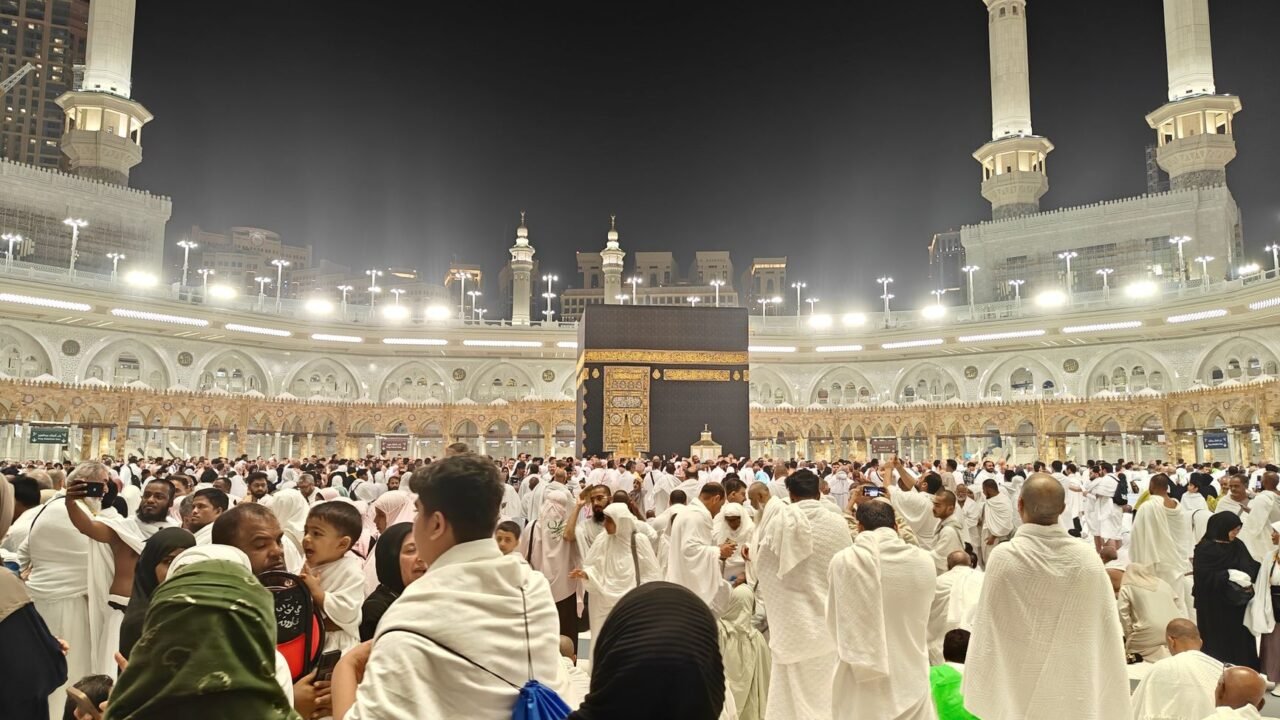
A group of Kashmiri pilgrims undertaking Umrah in Saudi Arabia are facing significant distress and anxiety due to flight cancellations amid escalating regional tensions, prompting urgent appeals for government intervention to facilitate their return. The pilgrims, numbering 36 individuals, have been stranded in Makkah for ten days after their scheduled return flight on October 13 was cancelled. The situation has been exacerbated by the inability of Indian carriers to provide confirmed alternative travel dates and the prohibitive cost of tickets offered by local airlines.
Waqar Ahmad Mir, a member of the stranded group, communicated their plight to The Tribune from Makkah, detailing the growing concerns among the pilgrims, particularly the elderly and those with pre-existing medical conditions. He stated that 14 members of the original group of 50 had already departed by arranging their own travel via Dubai, incurring substantial expenses. The remaining 36 are now managing their own accommodation, meals, and other necessities, with many having depleted their finances and resorting to borrowing money to cover daily expenses. Information reaching Tahir Rihat suggests that the tour operator responsible for the pilgrimage has offered little concrete assistance, citing the situation as an ‘act of God,’ while the Indian diplomatic mission has indicated that the tour operator should be responsible for the pilgrims’ welfare, leaving the group in a precarious middle ground.
The pilgrims’ predicament highlights the vulnerability of individuals caught in the crosscurrents of geopolitical instability. Elderly pilgrims are reportedly running critically short of essential medicines, which are prohibitively expensive in Saudi Arabia and require local prescriptions. Some individuals have experienced anxiety and panic attacks, underscoring the severe mental toll of prolonged uncertainty and financial strain. The cost of air tickets from Jeddah to Srinagar, even via neighbouring countries, is reported to exceed Rs 1 lakh, a sum that is beyond the reach of most of the stranded individuals. Their plea is for immediate governmental intervention to ensure their safe and timely return to Jammu and Kashmir.
In response to the growing concerns, the Ministry of External Affairs (MEA) has acknowledged the situation. Ministry of External Affairs spokesperson Randhir Jaiswal stated on Friday that the Indian Embassy and Consulate in Saudi Arabia are actively engaged with airlines and tour operators to expedite the return of stranded Indian pilgrims. According to the MEA spokesperson, approximately 3,000 stranded Umrah pilgrims have successfully returned to India over the past week, in addition to over 10,000 pilgrims who had pre-booked flights and also travelled back. Arrangements are reportedly being discussed to facilitate the return of other Umrah pilgrims as soon as possible. The Indian Embassy and Consulate have been in contact with the stranded pilgrims, providing assistance in coordination with community volunteers. Furthermore, 24-hour control rooms have been established in Riyadh and Jeddah to aid Indian nationals, with regular advisories being issued to keep them informed about the evolving situation on the ground.
The current regional tensions, which have led to widespread flight disruptions and cancellations, have cast a shadow over travel plans for many, particularly those undertaking religious pilgrimages. The cancellation of flights by Indian carriers, which have only been extending booking dates, has left many pilgrims with limited options. The alternative of booking with local carriers often comes with exorbitant fares, making it financially unfeasible for many to return home. This situation underscores the importance of robust contingency planning for travel, especially for vulnerable groups such as the elderly and those with medical needs, when undertaking international journeys. The involvement of tour operators also raises questions about their responsibility and the mechanisms in place to protect pilgrims in unforeseen circumstances. The ongoing efforts by the Indian government, as stated by the MEA, aim to mitigate the hardship faced by these pilgrims and ensure their safe repatriation. The situation remains fluid, with continued monitoring and engagement by diplomatic missions being crucial in resolving the plight of the remaining stranded individuals.

Tahir Rihat (also known as Tahir Bilal) is an independent journalist, activist, and digital media professional from the Chenab Valley of Jammu and Kashmir, India. He is best known for his work as the Online Editor at The Chenab Times.





Leave a Reply