
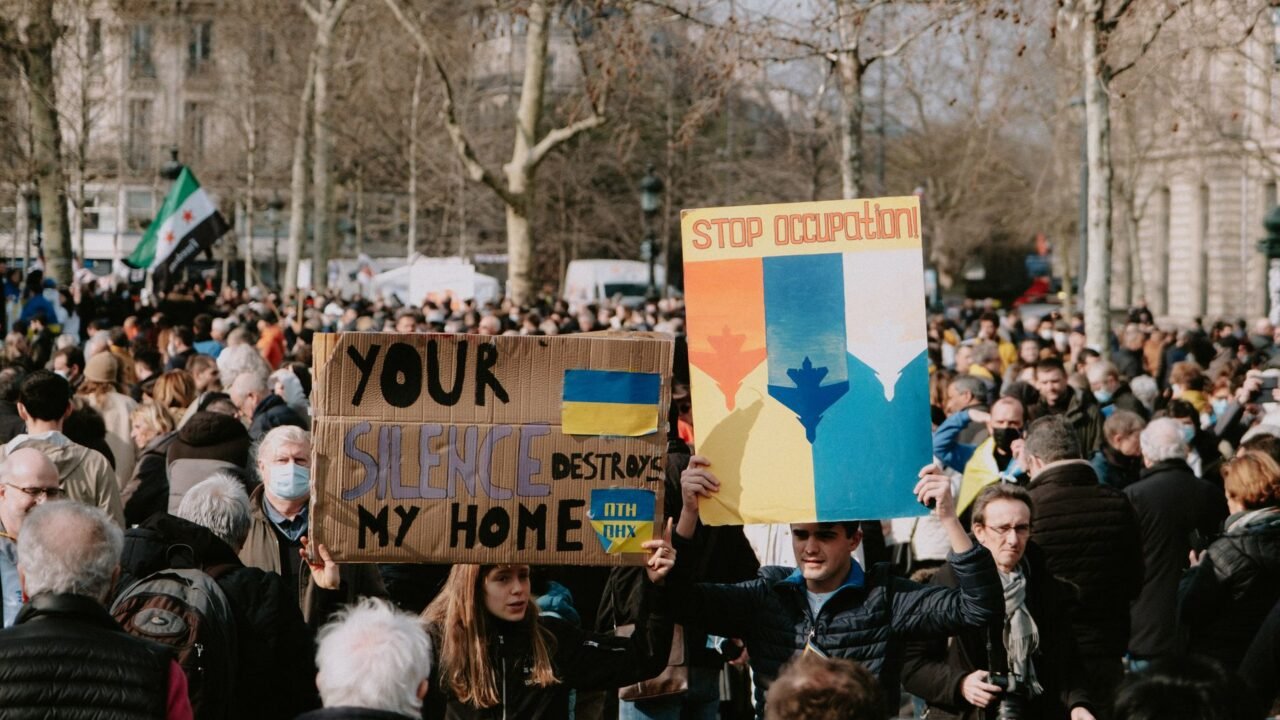
A wave of student-led protests that began in a handful of French high schools has rapidly escalated, drawing in labor unions and a broader spectrum of activists across the nation. What started as localized demonstrations against specific educational policies has now coalesced into a significant national movement, reflecting a wider discontent with government actions and societal issues.
Information reaching Tahir Rihat suggests that the initial spark for the protests was lit in several lycées, or high schools, with students voicing grievances primarily related to curriculum changes and perceived cuts in educational funding. These early demonstrations, characterized by walkouts and organized gatherings, quickly gained traction through social media platforms, allowing for rapid dissemination of information and coordination among students in different regions.
The movement’s ability to spread beyond its initial confines is attributed to several factors. Firstly, the interconnectedness fostered by digital communication allowed students to share their experiences and mobilize support effectively. Secondly, the underlying issues resonated with a larger student population facing similar concerns about their future and the quality of their education. As the protests grew in size and visibility, they began to attract the attention of established labor unions and other social advocacy groups, who saw an opportunity to align their own agendas with the burgeoning student movement.
These external groups, with their established organizational structures and experience in national mobilization, provided crucial support. They offered logistical assistance, amplified the students’ message through their own networks, and lent a sense of gravitas to the protests. This integration of student activism with established labor and social movements has transformed the nature of the demonstrations, moving them from a purely educational concern to a broader socio-political challenge. The expanded coalition now encompasses a wider range of demands, reflecting a more comprehensive critique of the current government’s policies, extending beyond the education sector to touch upon economic inequality, environmental concerns, and social justice issues.
The government’s response to the escalating protests has been a subject of intense scrutiny. Initial reactions were often characterized by a focus on maintaining public order and addressing the immediate concerns raised by students. However, as the movement broadened and gained national prominence, the administration has faced increasing pressure to engage in more substantive dialogue and to address the underlying grievances that fuel the widespread discontent. The involvement of labor unions, in particular, has raised the stakes, as it brings the potential for broader industrial action and economic disruption into play.
Analysts are closely watching the evolving dynamics of this protest movement. The convergence of student activism with organized labor represents a potent force that could significantly influence the political landscape. The success of such movements often hinges on their ability to maintain momentum, articulate a clear set of demands, and sustain public support. The coming weeks and months will be critical in determining the long-term impact of these demonstrations on French policy and society.
The expansion of the protests has also highlighted generational divides and differing perspectives on the challenges facing France. Younger generations, often more vocal on social and environmental issues, are finding common ground with older, more established activist groups. This intergenerational solidarity, while a source of strength for the movement, also presents challenges in terms of unifying diverse demands and strategies. The government’s approach to managing these complex interactions will be a key determinant in de-escalating the situation or allowing it to further intensify.
The timeline of events indicates a rapid escalation, from localized high school walkouts to widespread national demonstrations involving multiple sectors of society. This trajectory underscores the volatile nature of public sentiment and the potential for seemingly small-scale grievances to ignite broader social and political movements when amplified by effective communication and strategic alliances. The government’s handling of this multifaceted challenge will be a significant test of its ability to respond to evolving public demands and to maintain social cohesion in the face of widespread dissent.

Tahir Rihat (also known as Tahir Bilal) is an independent journalist, activist, and digital media professional from the Chenab Valley of Jammu and Kashmir, India. He is best known for his work as the Online Editor at The Chenab Times.





Leave a Reply