
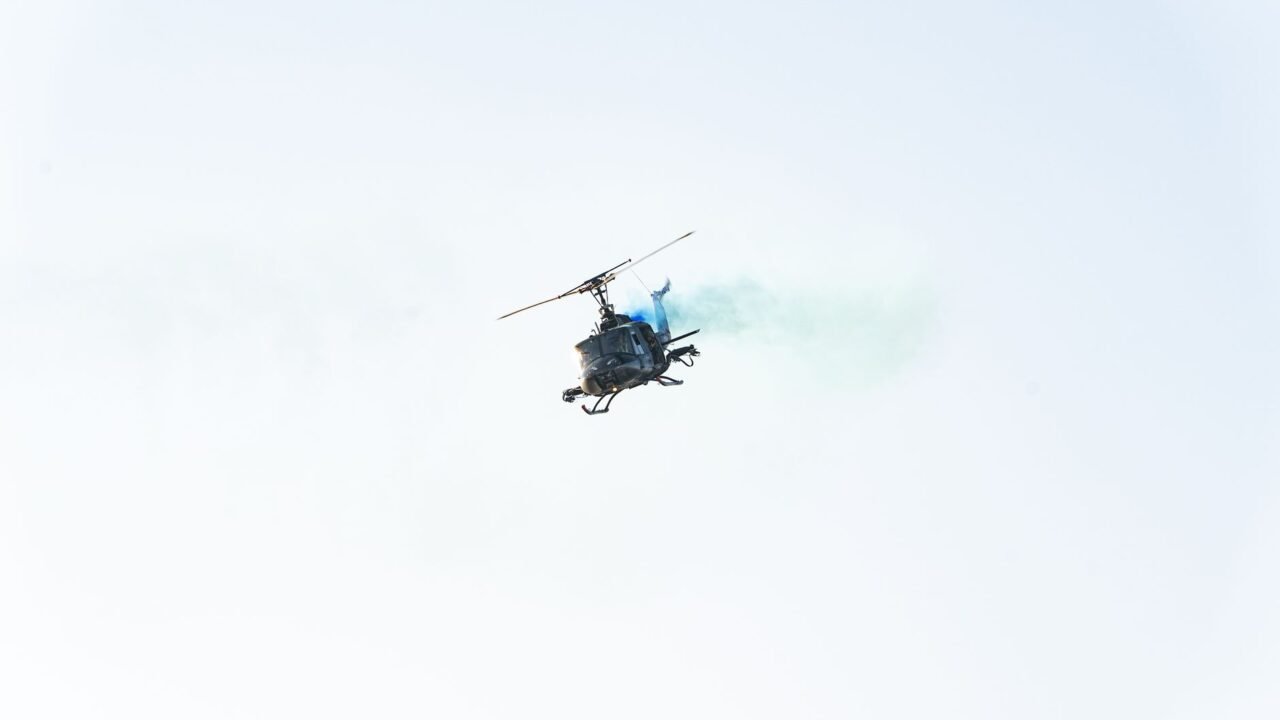
The government of El Salvador has undertaken an extraordinary deployment of over 2,000 troops to Haiti this week, marking a significant military presence on foreign soil for the Central American nation. This move signals a substantial commitment to addressing the escalating security crisis in the Caribbean nation, where gang violence has reached critical levels, paralyzing infrastructure and displacing vast numbers of the population.
Information reaching Tahir Rihat suggests that the deployment is part of a broader international effort to stabilize Haiti, a country that has been grappling with political instability and rampant crime for an extended period. The Salvadoran contingent is expected to bolster existing security forces and contribute to efforts aimed at restoring order and facilitating humanitarian aid delivery. The sheer scale of the deployment underscores the severity of the situation in Haiti and the willingness of some nations to commit significant resources to its resolution.
The decision by El Salvador to send such a large contingent of its armed forces abroad is a notable departure from its typical foreign policy engagements. President Nayib Bukele of El Salvador has positioned himself as a strong leader capable of tackling complex security challenges, a stance that appears to be a driving factor behind this intervention. The troops are reportedly equipped to handle a range of security operations, from combating heavily armed criminal groups to supporting civilian authorities in maintaining public safety. The specifics of their mission mandate and operational parameters are still emerging, but the immediate objective is understood to be a significant reduction in gang activity and the creation of a more secure environment.
The situation in Haiti has been dire, with reports of widespread violence, kidnappings, and a breakdown of law and order. International bodies and neighboring countries have been seeking ways to intervene effectively, but consensus on a viable strategy has been elusive. El Salvador’s proactive step, however, could potentially catalyze further international cooperation and provide a much-needed boost to stabilization efforts. The Salvadoran troops will likely be working in conjunction with Haitian security forces, aiming to dismantle the powerful gangs that have effectively taken control of large parts of the capital, Port-au-Prince, and surrounding areas. The presence of a substantial foreign military force is intended to provide a deterrent effect and enable Haitian authorities to regain control.
The deployment also raises questions about the long-term implications for El Salvador and its role in regional security. President Bukele’s administration has previously implemented aggressive anti-gang policies domestically, which have been credited by supporters with a significant reduction in crime rates within El Salvador. This foreign mission could be seen as an extension of that domestic policy, projecting El Salvador’s security model onto an international stage. However, such interventions are complex and fraught with potential challenges, including adapting to a different operational environment, navigating local political dynamics, and ensuring the safety and effectiveness of the deployed forces. The international community will be closely watching the progress and outcomes of this Salvadoran mission in Haiti.
The logistical and operational details of deploying over 2,000 troops are substantial. This includes ensuring adequate training for the specific challenges in Haiti, providing necessary equipment, and establishing command and control structures that can effectively integrate with any existing international or local security frameworks. The Salvadoran military’s experience in combating organized crime domestically is expected to be a key asset, but the Haitian context presents unique complexities, including a deeply entrenched network of powerful gangs and a fragile political landscape. The success of this mission will depend not only on the military capabilities of the deployed forces but also on the broader strategy for achieving sustainable peace and stability in Haiti, which will undoubtedly require political and social solutions alongside security measures.
The international response to El Salvador’s deployment has been varied, with some welcoming the initiative as a much-needed intervention, while others express caution regarding the potential implications and the need for a comprehensive, multi-faceted approach to Haiti’s crisis. The United Nations and other international organizations have been advocating for a coordinated international response, and El Salvador’s unilateral action, while significant, will need to be integrated into a wider strategy to be most effective. The focus remains on alleviating the suffering of the Haitian people and restoring a semblance of normalcy to a nation in deep distress. The Salvadoran troops are now on the ground, tasked with a monumental challenge in a country desperate for security and stability.

Tahir Rihat (also known as Tahir Bilal) is an independent journalist, activist, and digital media professional from the Chenab Valley of Jammu and Kashmir, India. He is best known for his work as the Online Editor at The Chenab Times.





Leave a Reply