
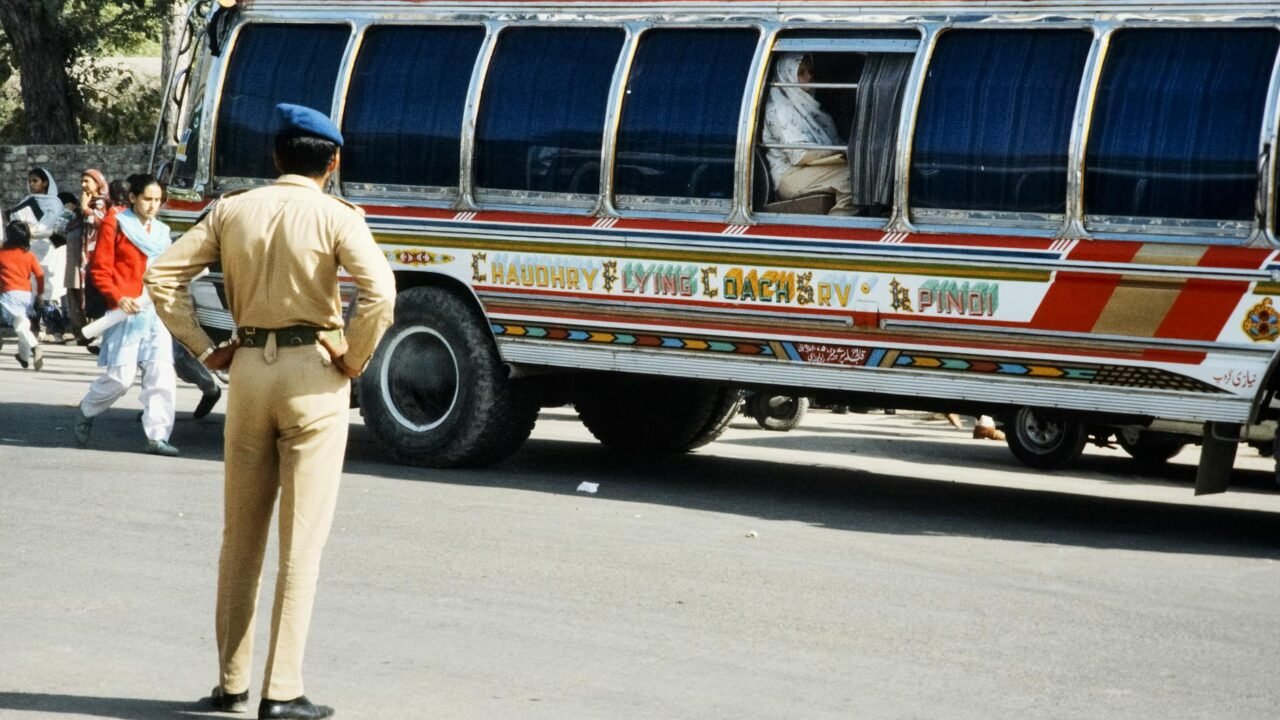
Former President Donald Trump has suggested that he might consider visiting Pakistan if a significant deal concerning Iran were to be finalized within that South Asian nation. This statement, made in the context of ongoing discussions and potential diplomatic maneuvers involving Iran and international powers, indicates a conditional interest in engaging with Pakistan on a high-level diplomatic stage.
The former president’s remarks, as reported, link his potential travel to Pakistan directly to the outcome of negotiations or agreements related to Iran. This suggests a strategic calculation, where the geopolitical significance of Pakistan as a venue for such a critical international accord could draw his attention. The specifics of any such Iran deal remain broadly outlined, but the implication is that a resolution or a major step forward in diplomatic efforts concerning Iran could serve as a catalyst for Trump’s engagement with Pakistan.
Information reaching TahirRihat.com suggests that the former president’s statement was made during a period of heightened international focus on Iran’s nuclear program and its broader regional influence. The United States, under various administrations, has sought to manage these complex issues through a combination of sanctions, diplomatic pressure, and, at times, direct negotiation. The possibility of a deal being struck in a third country, particularly one with historical ties to both Iran and the West, would represent a significant diplomatic development.
Trump’s past presidency was marked by a complex relationship with Iran, including the withdrawal from the Joint Comprehensive Plan of Action (JCPOA), commonly known as the Iran nuclear deal, and the imposition of stringent sanctions. His administration also pursued a policy of maximum pressure against Tehran. Therefore, any indication of his potential involvement or interest in a new Iran deal, even indirectly through a visit to a related venue, carries considerable weight and signals a potential shift or re-engagement with the diplomatic landscape he once shaped.
The potential for a deal to be signed in Pakistan adds another layer of geopolitical intrigue. Pakistan, a nuclear-armed state itself, shares a long border with Iran and has historically played a complex role in regional security dynamics. Its relationship with both the United States and Iran has been subject to various pressures and strategic considerations over the decades. The country has also been a significant recipient of international attention regarding its own internal security, economic challenges, and its role in broader regional stability, particularly concerning Afghanistan.
While the exact nature of the Iran deal being alluded to is not detailed, it is likely to pertain to the ongoing efforts to revive or renegotiate terms related to Iran’s nuclear capabilities, its ballistic missile program, or its regional activities. These are issues that have been at the forefront of international diplomacy for years, involving key global powers such as the United States, China, Russia, France, Germany, and the United Kingdom, alongside Iran itself. The European Union has also played a crucial mediating role in these discussions.
The former president’s statement could be interpreted in several ways. It might reflect a desire to be seen as a key player in international diplomacy, even from outside the formal structures of government. It could also be a signal to current policymakers about his continued interest in foreign policy matters, particularly those related to Iran, a country that was a central focus of his foreign policy agenda. The mention of Pakistan specifically might also be a nod to the country’s strategic importance or a reflection of its potential to host significant diplomatic events.
The implications of such a visit, should it materialize, would be substantial. A visit by a former U.S. president of Trump’s stature to Pakistan, especially in connection with a major international agreement, would undoubtedly draw significant global media attention and could influence regional perceptions and diplomatic dynamics. It would also place Pakistan at the center of international focus, potentially impacting its own foreign relations and its standing on the global stage. The Pakistani government’s response to such a potential visit, and its role in facilitating any Iran-related discussions, would be closely watched by international observers.
The context of such a statement also comes at a time when international relations are increasingly complex, with various global powers vying for influence and seeking to shape the international order. The Middle East, in particular, remains a region of significant geopolitical tension, with Iran’s role being a central factor in many of these dynamics. Any diplomatic breakthrough concerning Iran would have far-reaching consequences for regional stability and global security.
The former president’s propensity for making bold statements on foreign policy matters is well-documented. His approach to international relations often involved direct engagement, unconventional diplomacy, and a focus on transactional outcomes. Therefore, his suggestion of a potential visit to Pakistan, tied to a significant Iran deal, aligns with his established pattern of engaging with global issues in a manner that often captures international attention and sparks debate about the future direction of foreign policy.
It is important to note that the statement is conditional, dependent on the signing of an Iran deal in Pakistan. This means that the visit is not a certainty but rather a possibility contingent on future diplomatic events. However, the mere suggestion highlights the interconnectedness of global diplomacy and the potential for seemingly disparate geopolitical developments to influence each other. The former president’s words serve as a reminder of his continued influence and interest in shaping international affairs, particularly concerning issues that were central to his previous term in office.
The potential for Pakistan to host such a significant international agreement underscores its ongoing relevance in global diplomacy, despite facing its own internal challenges. The country’s strategic location and its historical role in regional conflicts and peace efforts have consistently placed it on the international diplomatic map. The prospect of it becoming a venue for a major Iran deal would further amplify its geopolitical significance.
The broader implications for the United States’ foreign policy are also worth considering. A potential engagement by a former president in such a high-stakes diplomatic scenario could create parallel diplomatic tracks or influence the ongoing policy debates within the current administration. It also raises questions about the coordination and consistency of U.S. foreign policy, especially when former leaders express interest in shaping international outcomes.
The international community will likely be observing the developments related to Iran and any potential diplomatic engagements with keen interest. The former president’s statement, while speculative, adds another layer of complexity to the already intricate web of international relations surrounding Iran and its role in the global arena. The coming months will likely reveal more about the trajectory of these diplomatic efforts and whether Pakistan indeed becomes a focal point for such significant international agreements.

Tahir Rihat (also known as Tahir Bilal) is an independent journalist, activist, and digital media professional from the Chenab Valley of Jammu and Kashmir, India. He is best known for his work as the Online Editor at The Chenab Times.

Leave a Reply