
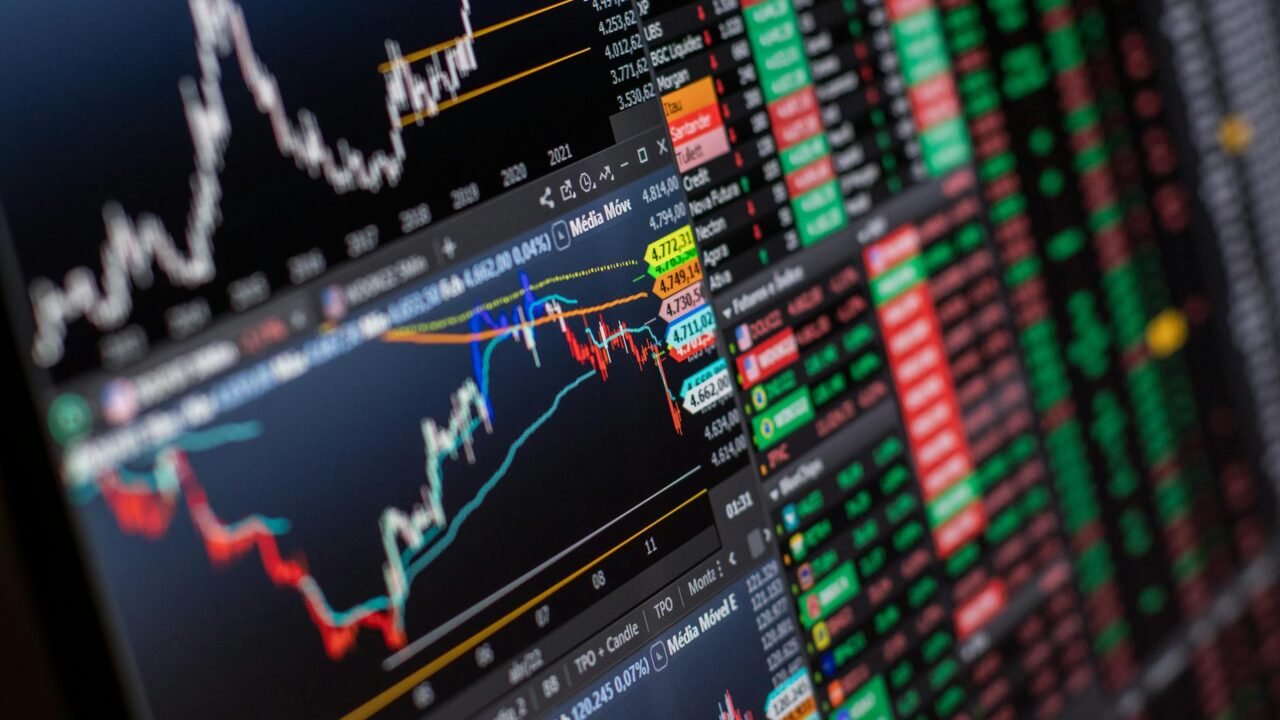
Global stock markets have demonstrated a surprising resilience and upward trend in recent times, a phenomenon that appears counterintuitive given the persistent geopolitical tensions involving Iran and the absence of a clear path toward a peace agreement. This rally suggests a complex interplay of factors influencing investor sentiment, where underlying economic forces and strategic calculations are overriding immediate concerns about conflict and instability. The continued high prices of oil, a direct consequence of the volatile situation in the Middle East, would typically be expected to dampen market enthusiasm and increase inflationary pressures. However, the market’s reaction indicates a broader narrative at play, one that investors are navigating with a degree of optimism, or perhaps a calculated acceptance of the status quo.
Information reaching TahirRihat.com suggests that the current market buoyancy is not a simple dismissal of the risks associated with the Iran situation. Instead, it reflects a sophisticated assessment by financial institutions and individual investors who are factoring in the potential for sustained, albeit tense, regional stability, alongside the economic benefits derived from higher energy prices. The market’s ability to absorb shocks and find new equilibria is a testament to its adaptive nature. While a peace deal with Iran remains a distant prospect, the absence of a full-blown, widespread conflict that could cripple global trade and energy supplies is, in itself, a form of stability that markets can work with. This nuanced perspective highlights how financial markets often price in not just the worst-case scenarios but also the more probable, albeit still challenging, outcomes.
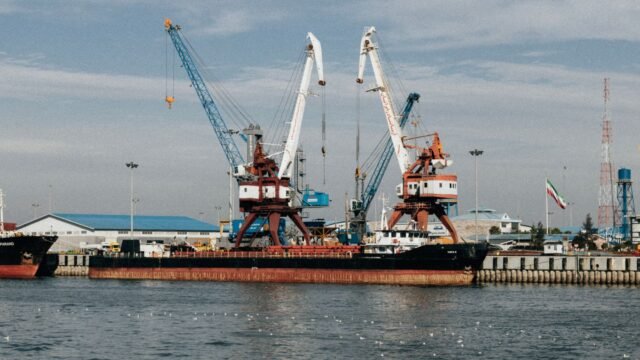
The strategic importance of the Strait of Hormuz, a critical chokepoint for global oil shipments, has been a focal point of concern. Any disruption in this vital waterway could have immediate and severe repercussions on energy markets, impacting economies worldwide. Yet, despite the ongoing threats and occasional skirmishes, the strait has largely remained open for commerce, a fact that has provided a degree of reassurance to the markets. This operational continuity, even under duress, allows for the continued flow of oil, which, while contributing to higher prices, also ensures that the global economy does not face immediate supply shocks. The market’s pricing mechanism appears to be factoring in this ongoing, albeit precarious, functionality.
Furthermore, the global economic landscape is characterized by a diverse set of influences that extend beyond the immediate geopolitical flashpoints. Central bank policies, technological innovations, and the performance of various national economies all contribute to the overall market sentiment. In this context, the resilience of stock markets can be attributed to a combination of these broader economic drivers, which may be providing a strong enough foundation to offset the anxieties stemming from the Iran situation. For instance, robust corporate earnings in certain sectors, coupled with accommodative monetary policies in some major economies, can create an environment conducive to investment, even when external risks are elevated.
The narrative of a “messy war” versus “happy stock markets” captures the dichotomy that investors are currently grappling with. The “messy war” refers to the ongoing, often low-intensity conflicts and diplomatic standoffs that characterize the situation with Iran. This creates an environment of persistent uncertainty and risk. However, the “happy stock markets” reflect the positive performance of equities, suggesting that investors are finding opportunities and reasons for optimism. This apparent contradiction is resolved when one considers that markets are forward-looking and often price in a range of possibilities. The absence of a catastrophic escalation, coupled with the economic benefits of sustained, albeit high, oil prices, can create a scenario where markets, while acknowledging the risks, are still able to generate positive returns.
The strategic maneuvering and diplomatic efforts, or lack thereof, surrounding Iran have a direct impact on global energy security. The international community’s response, or perceived inaction, to certain provocations can also influence market perceptions of risk. However, the market’s ability to adapt to these evolving dynamics is crucial. It suggests that investors are not solely reacting to headlines but are engaged in a more complex analysis of supply and demand, geopolitical risk premiums, and the broader economic outlook. The continuous flow of oil, even with heightened tensions, has become a critical factor in maintaining a semblance of stability in the global energy market, which in turn supports broader economic activity and, consequently, stock market performance.
The economic implications of sustained high oil prices are multifaceted. While they can lead to increased revenues for oil-producing nations and energy companies, they also pose challenges for energy-importing countries, potentially leading to inflation and reduced consumer spending. However, the market’s current reaction indicates that the benefits of continued oil flow, even at elevated prices, are outweighing the immediate negative impacts for many investors. This is particularly true for sectors that are less sensitive to energy costs or that can pass on increased expenses to consumers. The global economic system has, to some extent, learned to operate within a higher energy price environment, a testament to its adaptability and the ongoing search for efficiency and alternative energy sources.
The absence of a definitive peace deal with Iran means that the geopolitical risk premium in oil prices is likely to persist. This sustained elevated price environment, while a source of concern for many, has also become a new normal that markets are factoring into their valuations. The ongoing tensions, therefore, are not necessarily a harbinger of immediate market collapse but rather a persistent background factor that influences investment decisions. Investors are likely allocating capital with an awareness of these risks, seeking out assets and sectors that are better positioned to weather such uncertainties or even benefit from them. The strategic decisions made by key global players, as well as the internal dynamics within Iran and its regional relationships, continue to be closely monitored by financial markets.
The global financial system’s capacity to absorb and adapt to geopolitical shocks is a recurring theme. The current situation with Iran is another chapter in this ongoing narrative. The fact that stock markets are performing well, despite the unresolved conflict, underscores the complex and often counterintuitive nature of financial markets. They are not simply reacting to news events but are engaged in a continuous process of valuation, risk assessment, and opportunity identification. The “messy war” may be a reality on the ground, but the “happy stock markets” reflect a calculated optimism based on the perceived ability of the global economy and financial system to manage and adapt to these persistent challenges.

Tahir Rihat (also known as Tahir Bilal) is an independent journalist, activist, and digital media professional from the Chenab Valley of Jammu and Kashmir, India. He is best known for his work as the Online Editor at The Chenab Times.





Leave a Reply