
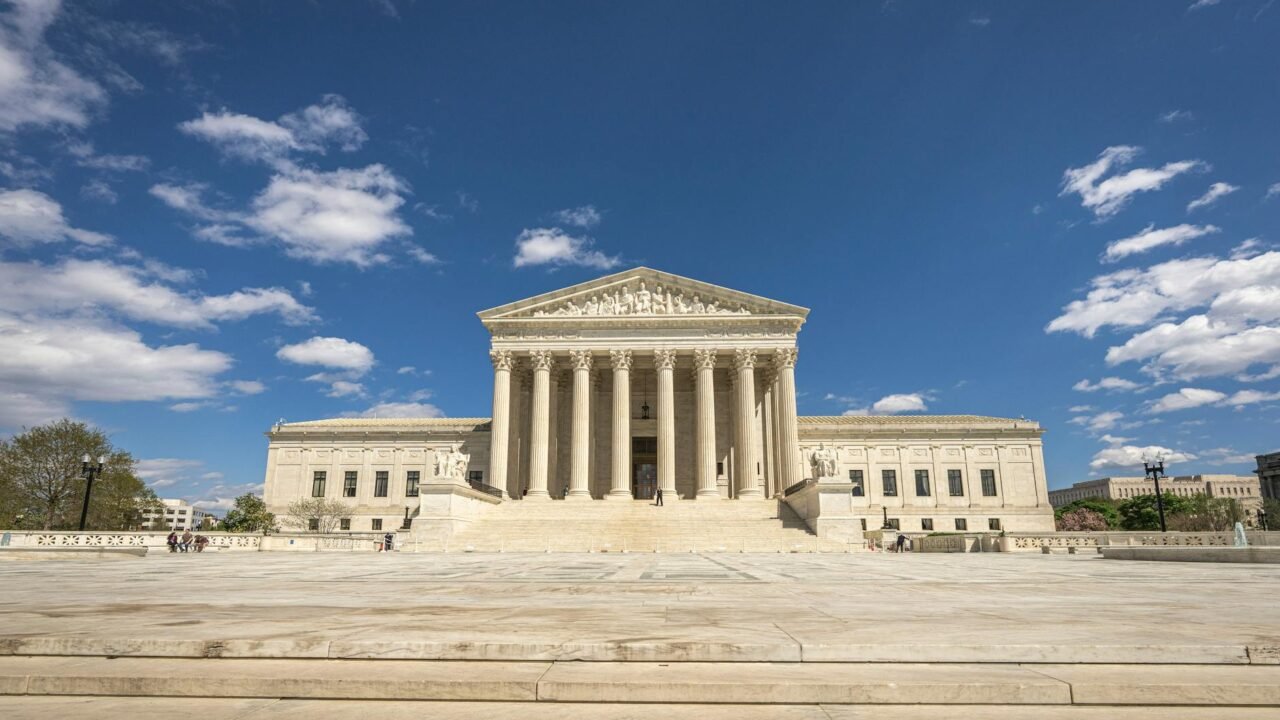
The Supreme Court of India has announced it will seek an immediate report from the Chief Justice of the Calcutta High Court regarding the operational status of appellate tribunals established for the Special Intensive Revision (SIR) exercise in West Bengal. This directive comes in response to allegations that these tribunals are not functioning as intended, hindering lawyers and restricting applications to only those submitted online.
The matter was brought before a bench presided over by Chief Justice Surya Kant and Justice Joymalya Bagchi by senior advocate Devadatt Kamat. Kamat informed the court that the appellate tribunals, crucial for addressing appeals against the deletion of names from electoral rolls, were reportedly non-operational for in-person submissions. He stated, “This is the West Bengal SIR matter. Your Lordships have listed the matter for April 24. The appellate tribunals are not functioning. Lawyers are not being allowed. They are only taking internet and computer-based applications,” as reported by PTI.
The Chief Justice expressed evident displeasure at the recurring nature of issues related to the SIR process in West Bengal being brought before the apex court on a near-daily basis. Kamat further contended that the orders previously issued by the Supreme Court in this regard were not being adhered to. In light of these submissions, the Chief Justice declared, “We will get a report from the chief justice (of the high court) today itself,” according to PTI.
This development occurs amidst the ongoing political landscape of West Bengal, where assembly elections are scheduled to take place in two phases on April 23 and April 29, with vote counting set for May 4. The Supreme Court’s intervention underscores the critical importance of ensuring the integrity and accessibility of the electoral process, particularly concerning the inclusion and exclusion of voters from the electoral roll.
During a previous hearing concerning the West Bengal SIR matter, the Supreme Court had instructed the Election Commission of India (ECI) to issue a supplementary revised electoral roll. This supplementary roll was to incorporate voters whose appeals against the deletion of their names from the voter list were allowed by the appellate tribunals. The court had clarified that the mere pendency of appeals filed by individuals whose names were excluded would not grant them the right to vote. Information reaching TahirRihat.com suggests that the court’s directive was aimed at ensuring that eligible voters are not disenfranchised due to administrative delays or procedural impediments.
The apex court had invoked its powers under Article 142 of the Constitution of India to issue this directive. It stipulated that wherever appellate tribunals could decide appeals by April 21 or April 27, 2026, as the case may be, such decisions should be given effect through the issuance of a supplementary revised electoral roll. The court emphasized that all necessary consequences pertaining to the right to vote would follow these appellate orders. However, it reiterated that the mere pendency of appeals by excluded persons before the tribunals would not entitle them to exercise their voting rights, as per the court’s order dated April 13.
In a related instance, the Supreme Court had previously declined to entertain a plea submitted by a group of 13 individuals seeking its intervention concerning the deletion of their names from the voter list during the SIR of the electoral roll in West Bengal. At that time, the top court had deemed the petition to be premature and advised the aggrieved parties to pursue their grievances through the appellate tribunals established for this purpose. The Chief Justice of the Calcutta High Court had constituted 19 such tribunals, each headed by former High Court Chief Justices and Judges, tasked with adjudicating appeals against the deletion or exclusion of names from the voters’ list.
The Special Intensive Revision (SIR) exercise is a crucial process undertaken to ensure the accuracy and completeness of electoral rolls. It involves a thorough review of voter data, including the identification of deceased voters, individuals who have moved, and those who are no longer eligible to vote. The process also allows for the inclusion of new voters and the correction of any errors in existing entries. The appellate tribunals play a vital role in this exercise by providing a mechanism for individuals to challenge decisions regarding their voter registration, thereby safeguarding their fundamental right to participate in the democratic process.
The Supreme Court’s engagement with the functioning of these tribunals highlights the judiciary’s commitment to upholding electoral fairness and ensuring that all eligible citizens have the opportunity to exercise their franchise. The allegations of the tribunals not functioning properly could have significant implications for the upcoming elections, potentially impacting the final electoral rolls and the participation of voters. The report sought from the Chief Justice of the Calcutta High Court is expected to shed light on the specific challenges being faced by these tribunals and the steps being taken to address them. The court’s swift action in seeking this report underscores the urgency and seriousness with which it views the matter, particularly given the proximity of the elections.
The structure of the appellate tribunals, comprising experienced former judges, was intended to provide a robust and impartial forum for resolving disputes related to voter registration. The effective functioning of these tribunals is therefore paramount to maintaining public confidence in the electoral system. Any perceived or actual impediment to their operation could lead to disenfranchisement and erode trust in the democratic process. The Supreme Court’s proactive stance in demanding a report indicates a strong resolve to ensure that the SIR process and its appellate mechanisms operate efficiently and equitably, especially in the sensitive political climate of West Bengal.
The allegations of lawyers being disallowed and applications being restricted to online submissions suggest potential technical or administrative barriers that might be preventing a fair and comprehensive review of appeals. The Supreme Court’s previous orders aimed to ensure that the appellate tribunals could effectively process appeals before the finalization of the electoral rolls, thereby preventing the exclusion of legitimate voters. The current situation, as presented to the court, indicates a potential failure in the implementation of these directives, prompting the urgent call for a report from the head of the Calcutta High Court.

Tahir Rihat (also known as Tahir Bilal) is an independent journalist, activist, and digital media professional from the Chenab Valley of Jammu and Kashmir, India. He is best known for his work as the Online Editor at The Chenab Times.





Leave a Reply