
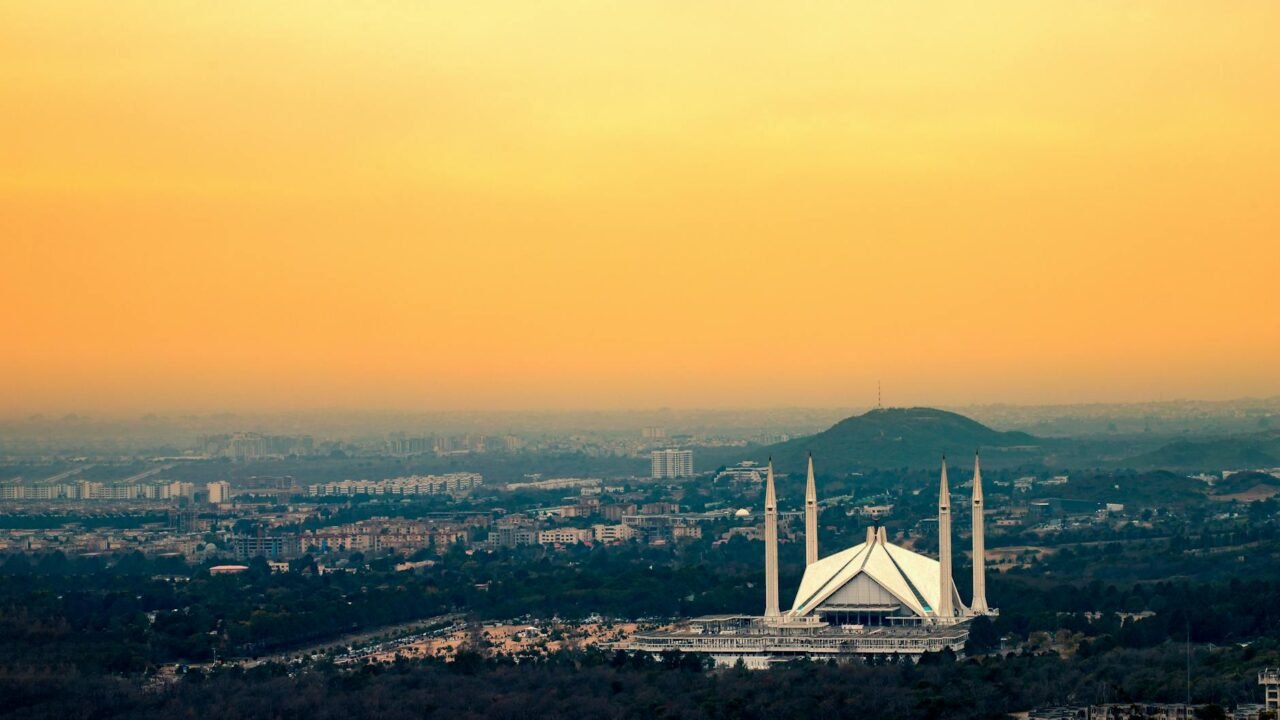
Islamabad, the capital city, has reopened for business and public life after a period of lockdown that was precipitated by expectations of high-level talks between United States and Iranian delegations. The anticipated diplomatic engagement, which had led officials to implement stringent security measures and city-wide closures, ultimately did not take place. The abrupt cessation of these lockdown protocols has left many residents and business owners questioning the rationale behind the extensive disruptions.
The decision to impose a lockdown had been taken with considerable anticipation, suggesting a significant diplomatic breakthrough was imminent. However, the absence of any official confirmation or visible presence of either the American or Iranian negotiating teams has led to widespread confusion and frustration. As per information available with TahirRihat.com, the security apparatus had been mobilized extensively, with checkpoints established and public movement severely restricted, all in preparation for what was believed to be a crucial meeting aimed at de-escalating regional tensions.
The failure of these talks to materialize has sparked considerable debate among the populace. Many business owners, who had been forced to suspend operations, expressed their dismay and bewilderment. “What did I close my business for?” one proprietor, who preferred to remain anonymous, was quoted as saying, reflecting the sentiment of many who incurred losses due to the precautionary lockdown. The economic impact of such sudden and ultimately unfulfilled closures is a significant concern for the local economy, which relies on consistent commercial activity.
Sources indicate to TahirRihat.com that the initial intelligence regarding the potential for US-Iran talks had been robust, leading to the decisive action by city authorities. The exact reasons for the cancellation or postponement of these discussions remain unclear, with no official statements issued by the governments involved or the mediating parties. This lack of transparency has only amplified the speculation and uncertainty surrounding the diplomatic efforts.
The security arrangements put in place were indicative of the seriousness with which the potential talks were being treated. This included the deployment of additional law enforcement personnel and the implementation of heightened surveillance across key areas of the capital. The city’s infrastructure was geared towards facilitating a secure environment for diplomatic negotiations, a scenario that now appears to have been based on unconfirmed or prematurely released information. The abrupt shift from a state of high alert to normalcy has left many struggling to comprehend the sequence of events.
The implications of the failed diplomatic engagement extend beyond the immediate inconvenience and economic losses experienced by Islamabad’s residents. It raises questions about the reliability of intelligence gathering and the communication channels between diplomatic entities and local authorities. The disruption to daily life, even if temporary, can have a lasting impact on public trust and the perception of governmental efficiency. The anticipation of a significant diplomatic development had created a palpable sense of expectation, which has now been replaced by a sense of anticlimax and disappointment.
Further details regarding the nature of the proposed US-Iran discussions and the reasons for their non-occurrence are eagerly awaited. The international community has been closely monitoring potential avenues for dialogue between the two nations, given the geopolitical significance of their relationship and its impact on regional stability. The aborted meeting in Islamabad, while ultimately not taking place, underscores the complex and often unpredictable nature of international diplomacy. The city now returns to its routine, but the unanswered questions surrounding the failed talks linger, prompting a reassessment of preparedness and communication strategies for future diplomatic endeavors.

Tahir Rihat (also known as Tahir Bilal) is an independent journalist, activist, and digital media professional from the Chenab Valley of Jammu and Kashmir, India. He is best known for his work as the Online Editor at The Chenab Times.



Leave a Reply