
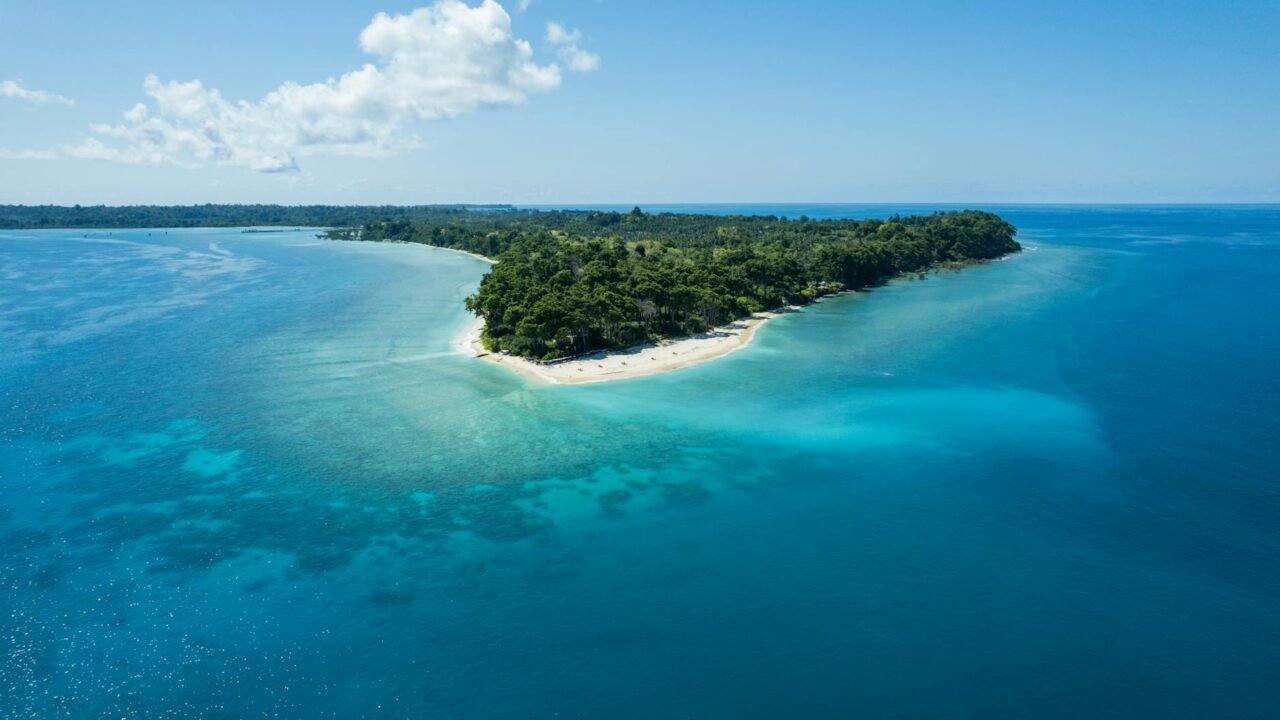
Senior Congress leader Rahul Gandhi has vehemently criticized the ambitious Rs 81,000 crore development project at Campbell Bay in the Andaman and Nicobar Islands, labeling it as “one of the biggest scams and gravest crimes against the natural and tribal heritage of the country.” Gandhi, who recently visited Great Nicobar, described the project as “destruction dressed in development’s language,” asserting that it would lead to the felling of millions of trees across 160 square kilometers of vital rainforest.
Information reaching TahirRihat.com suggests that Gandhi expressed his deep concern following an extensive tour of the island. He characterized the forests as “extraordinary,” noting the presence of ancient trees that have taken generations to mature. The leader of the opposition in the Lok Sabha also highlighted the plight of the island’s inhabitants, including both indigenous Adivasi communities and settlers, stating they are being “robbed of what is rightfully theirs.” He emphasized that the government’s designation of the undertaking as a “project” fails to capture the reality of what he witnessed: millions of trees marked for destruction, a vast expanse of rainforest condemned to perish, and communities displaced without adequate consideration.
Gandhi’s strong condemnation, articulated through a social media post and during his interactions on the island, underscores a significant political and environmental debate surrounding the Great Nicobar project. The central government’s stated objectives for the project include boosting maritime trade, enhancing connectivity, and strengthening national security, positioning it as a crucial element for promoting the nation’s geo-strategic and economic interests. The multifaceted development plan encompasses the establishment of a transhipment terminal, a power plant, and a new township.
The Congress leader’s visit to Campbell Bay on Tuesday was specifically to engage with tribal leaders who have voiced strong opposition to the project. A segment of the tribal communities has raised alarms regarding a perceived lack of transparency in the project’s execution, significant environmental risks, and a persistent neglect of their rights by the central government. Gandhi’s engagement with these communities, as well as with the settler population, provided him with firsthand accounts of the hardships anticipated due to the proposed development.
Gandhi, who arrived in the Andaman and Nicobar Islands on April 26, has also been vocal in his criticism of corporate influence within the Union Territory. He has stressed that any development initiatives should prioritize the needs of the local population over the interests of large corporations. His interactions with members of the Nicobarese tribal community and the settler community during his visit were aimed at understanding their perspectives and concerns directly. During his tour, he also paid a visit to Indira Point, a significant geographical landmark, where he paid homage to the late former Prime Minister Indira Gandhi.
The tribal communities, in particular, have articulated that they are facing considerable hardship due to the proposed project and have issued a clear demand for the central government to seriously consider their concerns. The scale of the project, estimated at Rs 81,000 crore, and its potential impact on the ecologically sensitive region and its indigenous populations have become central points of contention. Gandhi’s direct intervention and strong stance have amplified these concerns, bringing national attention to the environmental and social implications of the Great Nicobar development plan. The project, as envisioned by the Centre, aims to be a significant force multiplier for the nation’s strategic and economic goals in the Indian Ocean region, but critics argue that the cost to the natural and cultural heritage of the islands is too high.
The debate highlights a fundamental tension between national development aspirations and the imperative of preserving unique ecosystems and the rights of indigenous peoples. Gandhi’s assertion that the project represents a “scam” and a “crime” suggests a deep-seated belief that the current approach is fundamentally flawed and detrimental to the long-term well-being of the islands and their inhabitants. His call for the project to be halted, contingent on public awareness and action, positions him as a vocal advocate for environmental protection and tribal rights in the face of large-scale infrastructure development.
The government’s perspective, as indicated by its justification for the project, emphasizes the strategic importance of the location for maritime trade and national security. The proposed transhipment terminal, in particular, is seen as a critical component for enhancing India‘s logistical capabilities and asserting its influence in the region. However, the environmental impact assessments and the consultation processes with local communities have come under scrutiny, fueling the opposition’s arguments. The scale of deforestation required for the project, estimated at 160 sq km of rainforest, is a significant point of concern for environmentalists and activists, who argue that such destruction is irreversible and poses a threat to biodiversity.
Gandhi’s visit and subsequent statements have galvanized opposition to the project, bringing the voices of the affected communities to a wider audience. The contrast between the government’s vision of economic and strategic advancement and the concerns raised by Gandhi and the local populations underscores the complex challenges of balancing development with conservation and social justice. The situation in Great Nicobar is likely to remain a focal point of political and environmental discourse in the coming months, as the implications of the project continue to unfold.

Tahir Rihat (also known as Tahir Bilal) is an independent journalist, activist, and digital media professional from the Chenab Valley of Jammu and Kashmir, India. He is best known for his work as the Online Editor at The Chenab Times.


Leave a Reply