
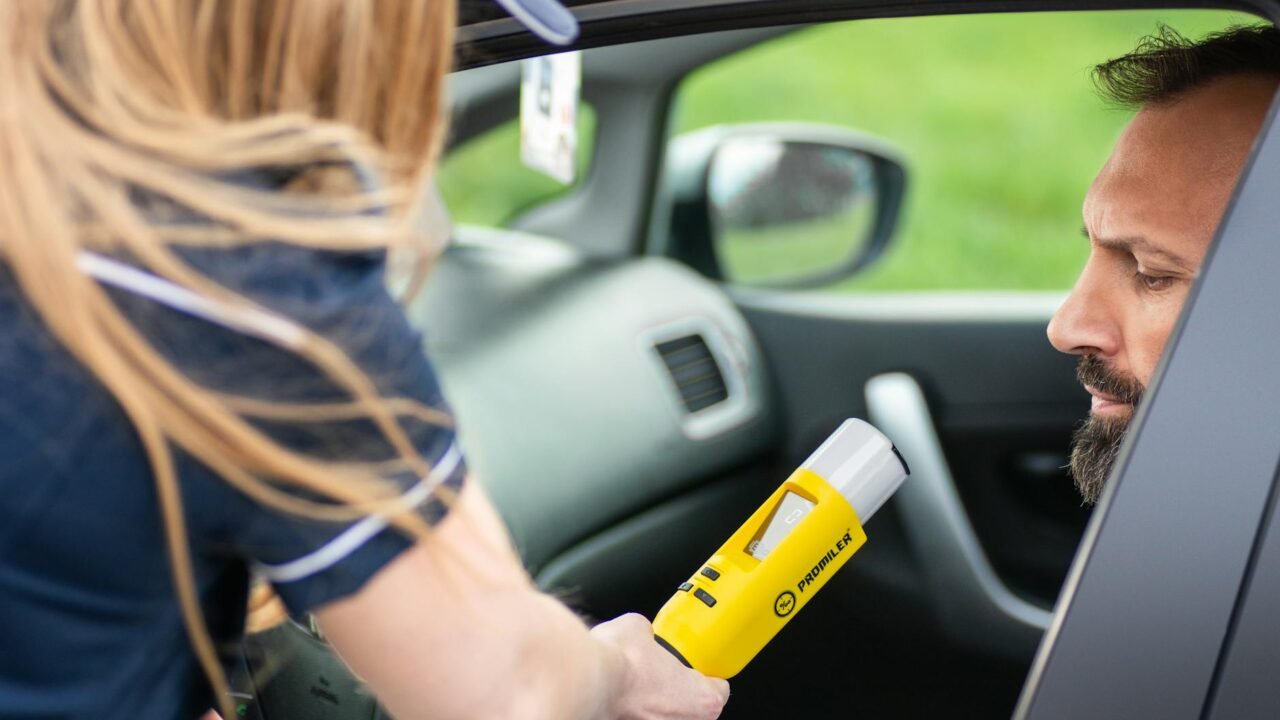
Learners seeking to obtain a driving license in the United Kingdom are currently facing unprecedented delays, with average wait times for practical tests stretching to a staggering 22 weeks. This significant increase, a stark contrast to the pre-pandemic norm of just five weeks, is fueling widespread frustration among aspiring drivers and prompting desperate measures to secure an earlier slot. The extended waiting periods are not confined to a single region, impacting both England and Scotland, and are indicative of a systemic strain on the country’s driving test infrastructure.
Information reaching TahirRihat.com suggests that the backlog has become a significant impediment for individuals relying on their driving ability for employment, education, or personal independence. The prolonged wait not only delays crucial life milestones but also incurs additional costs for learners who may need to extend their driving lessons or retake theory tests if they expire before a practical assessment can be scheduled. The sheer length of the delay has led to a surge in demand for available test slots, creating a highly competitive environment where learners are actively seeking ways to circumvent the standard booking process.
The situation has given rise to a secondary market, with some individuals reportedly attempting to ‘jump the queue’ by exploiting loopholes or engaging in practices that circumvent the official booking system. While the exact nature and prevalence of these ‘jump the line’ attempts are not fully detailed, the frustration stemming from the lengthy wait times is a palpable undercurrent in discussions among driving instructors and learner drivers. The implications of this backlog extend beyond individual inconvenience, potentially impacting the wider economy by delaying the entry of new drivers into the workforce and affecting industries reliant on a steady supply of licensed personnel.
The root causes of this escalating backlog are multifaceted, though the lingering effects of the COVID-19 pandemic are widely cited as a primary contributor. During periods of lockdown and social distancing, driving test centers were forced to operate with reduced capacity or suspend services altogether. This disruption led to a significant accumulation of individuals who were ready to take their tests but were unable to do so. While services have since resumed, the sheer volume of deferred tests, coupled with ongoing operational challenges, has made it difficult for the Driver and Vehicle Standards Agency (DVSA) to clear the backlog effectively.
The DVSA, the agency responsible for conducting driving tests in Great Britain, has acknowledged the challenges and has been working to increase test availability. However, the scale of the problem means that these efforts, while ongoing, have not yet been sufficient to bring wait times back to pre-pandemic levels. Factors such as examiner availability, the need for social distancing protocols within test centers, and the sheer number of candidates are all contributing to the sustained delays. The agency has previously outlined strategies to address the backlog, including increasing the number of available test slots and encouraging examiners to work additional hours, but the current figures indicate that these measures are still playing catch-up.
The impact on driving instructors has also been substantial. Many instructors report that their students are becoming increasingly discouraged by the long waits, leading to potential dropouts or a reluctance to book lessons. This, in turn, affects the livelihoods of instructors who rely on a consistent flow of students to maintain their businesses. The extended waiting periods also mean that students may not be able to practice their skills as effectively in real-world conditions between booking and taking their test, potentially leading to a decline in their readiness on the day of the assessment.
The frustration is particularly acute for young people who are often eager to gain their independence through driving. For many, a driving license is a gateway to further education, employment opportunities, and social activities. The current delays can significantly postpone these aspirations, adding a layer of anxiety and uncertainty to an already significant life transition. The economic implications are also noteworthy, as a delayed entry into the driving workforce can affect sectors that rely on a readily available pool of drivers, such as delivery services, transportation, and trades.
The situation underscores a broader challenge within public services that experienced significant disruption during the pandemic. Rebuilding capacity and addressing accumulated backlogs in areas like driving tests, passport processing, and court cases requires sustained effort and strategic planning. The long waits for driving tests are a tangible manifestation of these ongoing recovery efforts, highlighting the complex interplay between public demand, operational capacity, and the lingering effects of unprecedented global events. As the UK continues to navigate the post-pandemic landscape, the resolution of such backlogs remains a critical priority for ensuring the smooth functioning of daily life and economic activity.

Tahir Rihat (also known as Tahir Bilal) is an independent journalist, activist, and digital media professional from the Chenab Valley of Jammu and Kashmir, India. He is best known for his work as the Online Editor at The Chenab Times.





Leave a Reply