
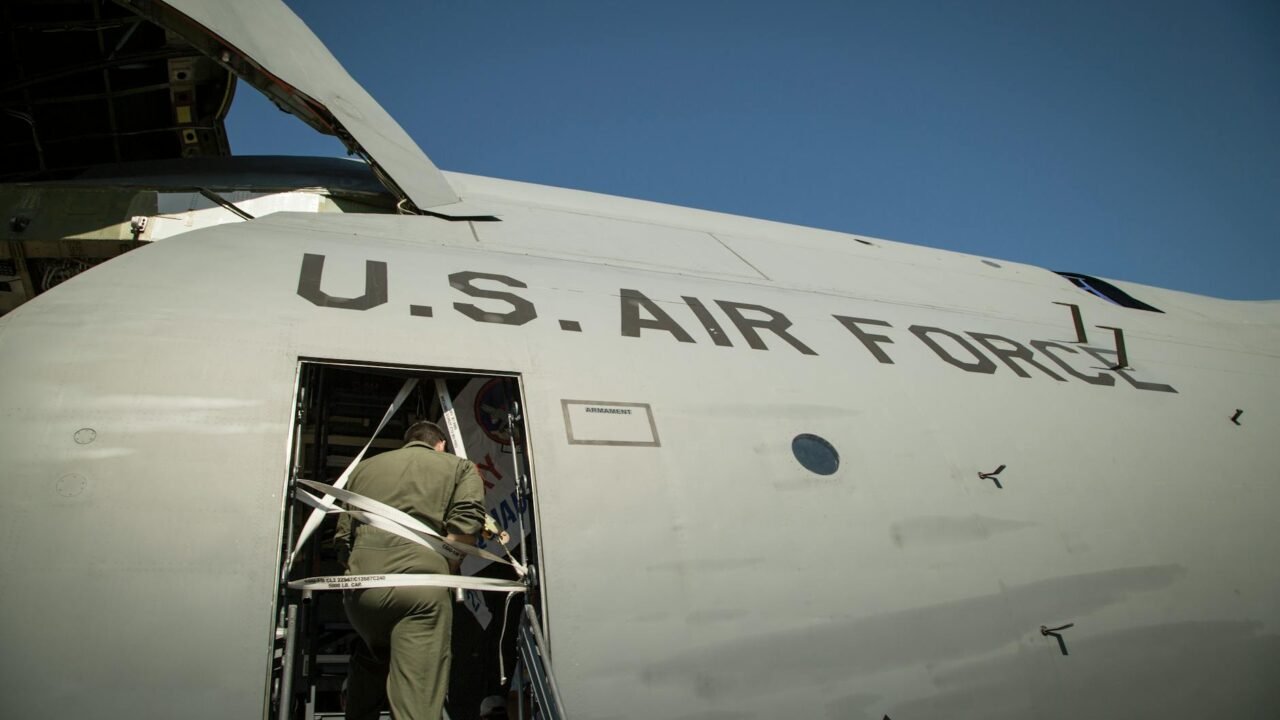
The United States has asserted that a cease-fire between itself and Iran is currently holding, despite reports of an exchange of fire. This statement comes amidst ongoing diplomatic efforts and a complex geopolitical situation in the Strait of Hormuz region. Washington has indicated that its military forces conducted strikes on Iranian military targets in direct response to previous attacks on American vessels. The situation remains fluid, with both nations reportedly engaged in discussions over a potential peace proposal, according to Iranian officials.
Information reaching Tahir Rihat suggests that the recent military actions were a measured response, aimed at deterring further aggression without escalating into a full-blown conflict. The U.S. administration has emphasized its commitment to de-escalation while simultaneously maintaining its readiness to defend its assets and interests in the strategically vital waterway. The exchange of fire, though acknowledged, is being characterized by U.S. officials as a contained incident, with the broader cease-fire remaining in effect.
Iranian officials, speaking on condition of anonymity, confirmed that discussions regarding a peace proposal are indeed underway. These talks, reportedly facilitated through intermediaries, aim to address the underlying tensions that have led to the recent escalations. The specifics of this proposal have not been disclosed, but sources indicate it involves mutual de-escalation measures and a commitment to refrain from provocative actions. The success of these negotiations is seen as critical in preventing a wider regional conflict that could have significant global economic and security implications.
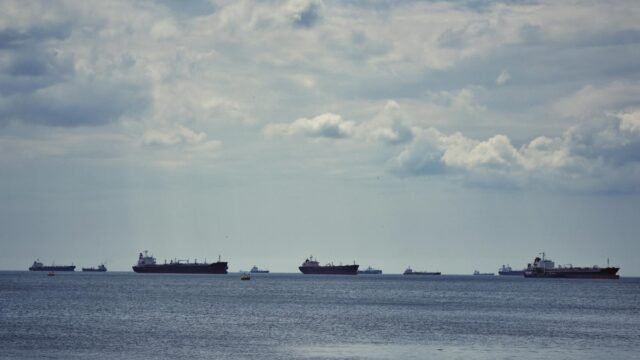
The Strait of Hormuz, a narrow chokepoint through which a significant portion of the world’s oil supply passes, has been a focal point of geopolitical friction. Any disruption in this area can lead to substantial volatility in global energy markets. The recent military engagements have heightened concerns among international observers and trading partners about the stability of oil supplies. The U.S. has consistently maintained that it will ensure freedom of navigation in international waters, including the Strait of Hormuz, and has deployed naval assets to the region to deter any threats.
The U.S. military’s decision to strike Iranian targets was described as a necessary measure to protect American lives and property. The nature of the Iranian strikes on American ships, which prompted the U.S. response, has been detailed by U.S. defense officials, though specific details remain classified. The administration’s approach appears to be a delicate balancing act, seeking to project strength and deter further attacks while actively pursuing diplomatic avenues to resolve the crisis. This dual strategy is intended to signal resolve to adversaries and reassurance to allies.
The ongoing dialogue over the peace proposal represents a potential pathway towards de-escalation. However, the effectiveness of such proposals often hinges on the willingness of both sides to adhere to their commitments and the transparency of the negotiation process. The international community is closely monitoring these developments, with many nations urging restraint and a peaceful resolution. The United Nations and various regional powers have reportedly been involved in efforts to mediate and encourage dialogue between Washington and Tehran.
The assertion that the cease-fire holds, despite the reported exchange of fire, suggests a complex operational understanding between the two adversaries. It implies that while localized incidents may occur, there is a broader, perhaps unspoken, agreement to prevent a full-scale confrontation. This nuanced approach to conflict management is not uncommon in high-stakes geopolitical standoffs, where maintaining channels of communication, even through indirect means, is paramount.
The U.S. has consistently accused Iran of destabilizing activities in the region, including support for militant groups and interference in the affairs of neighboring countries. Iran, in turn, views U.S. military presence in the Persian Gulf as a provocation and a threat to its national security. These deeply entrenched positions form the backdrop against which any cease-fire or peace proposal must be evaluated. The current situation underscores the precarious nature of peace in a region marked by decades of tension and conflict.
The economic implications of any further escalation are also a significant concern. Global markets are highly sensitive to developments in the Middle East, and a conflict in the Strait of Hormuz could trigger a sharp rise in oil prices, impacting economies worldwide. This economic leverage is often a factor in diplomatic negotiations, as both sides may be motivated to avoid actions that could lead to widespread economic disruption.
The U.S. administration’s public statements about the cease-fire holding, even with the acknowledgment of an exchange of fire, indicate a strategic communication effort. This messaging aims to manage public perception, reassure allies, and potentially signal to Iran the limits of acceptable actions. The careful wording suggests a desire to avoid further inflaming tensions while still demonstrating a firm stance.
The Iranian officials’ confirmation of ongoing peace proposal discussions adds another layer of complexity. It suggests that behind the scenes, diplomatic efforts are actively underway, even as military actions occur. This duality of engagement—military posturing alongside diplomatic overtures—is a hallmark of international relations in volatile regions. The success of these talks will depend on the ability of both sides to overcome deep-seated mistrust and find common ground.
The coming days and weeks will be crucial in determining whether the current cease-fire can be solidified into a more lasting period of calm. The effectiveness of the peace proposal, the adherence to its terms by both Iran and the United States, and the broader regional dynamics will all play a significant role in shaping the future of this critical geopolitical flashpoint.

Tahir Rihat (also known as Tahir Bilal) is an independent journalist, activist, and digital media professional from the Chenab Valley of Jammu and Kashmir, India. He is best known for his work as the Online Editor at The Chenab Times.


Leave a Reply