
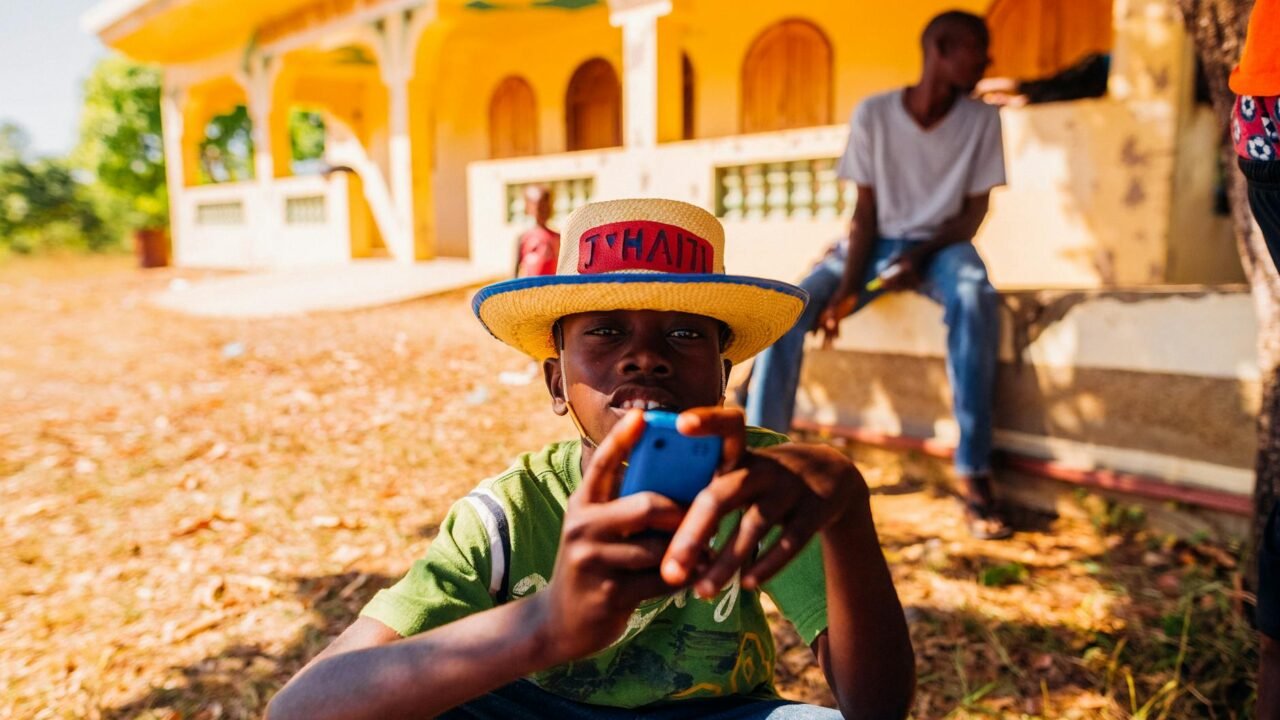
A previously unknown writer from Haiti, Thélyson Orélien, has rapidly ascended to international literary prominence with his debut novel, a work that casts a stark and unflinching light on the complex and often brutal realities of migration, particularly as experienced by those navigating the challenging landscape of the United States under the Trump administration. The manuscript, submitted unsolicited, has already seen its rights acquired by publishers in 23 countries, a remarkable feat that underscores the immediate and powerful resonance of Orélien’s narrative.
The novel, whose title has not yet been widely disclosed in international reports, delves into the experiences of Haitian individuals and families grappling with displacement, the arduous journey towards new shores, and the often unwelcoming reception they encounter. Information reaching Tahir Rihat suggests that Orélien’s prose is characterized by its raw honesty and deep empathy, capturing the psychological toll and the systemic obstacles faced by migrants. The book’s critical acclaim prior to its official publication in many territories points to a timely and significant contribution to the global conversation surrounding immigration and the human cost of restrictive policies.
Orélien’s journey from an unrecognized author to a globally recognized literary voice is as compelling as the themes he explores. The rapid sale of translation rights indicates a universal appeal, transcending geographical and cultural boundaries. This widespread interest suggests that the novel taps into a shared human experience of seeking refuge, opportunity, and dignity, while also highlighting specific socio-political contexts that shape these quests. The book’s focus on the Trump era in America is particularly noteworthy, as it promises to offer a nuanced perspective on the impact of specific policies and rhetoric on vulnerable populations, a perspective that has been largely shaped by political discourse rather than deeply personal accounts.
The literary world has taken notice of Orélien’s ability to weave a narrative that is both deeply personal and broadly political. Critics and early readers have lauded the novel for its unflinching portrayal of hardship, resilience, and the enduring human spirit in the face of adversity. The narrative is said to eschew sentimentality, opting instead for a grounded and often harrowing depiction of the challenges faced by those seeking a better life. This approach, according to early assessments, allows the reader to connect with the characters on a profound level, fostering a deeper understanding of the complex motivations and the profound sacrifices involved in migration.
The success of Orélien’s manuscript before its widespread release is a testament to the power of compelling storytelling and the growing global appetite for diverse voices and perspectives. In an era where migration remains a central and often contentious issue in international affairs, a novel that offers such an intimate and critical examination of the subject is poised to have a significant impact. The book’s exploration of the American immigration system, as experienced by those at its sharpest edges, is expected to provoke important discussions and challenge prevailing narratives. The fact that rights were sold in 23 countries before publication highlights a global concern and a desire to understand the human dimension of this ongoing crisis.
The literary agent representing Orélien, who has remained largely anonymous in initial reports, has been instrumental in bringing the manuscript to the attention of international publishers. This success story also shines a light on the process of literary discovery, where unsolicited manuscripts, often overlooked, can emerge to capture the world’s attention. The speed at which the book has been picked up by so many international houses suggests a strong editorial belief in its importance and its potential to reach a broad audience. This rapid internationalization of a debut novel is a rare occurrence and speaks volumes about the perceived significance of Orélien’s work.
The novel’s examination of the United States under the Trump administration is particularly relevant, given the significant shifts in immigration policy and rhetoric during that period. Orélien’s work is anticipated to provide a ground-level view of how these policies affected individuals and families, offering a counterpoint to the often abstract political debates. The narrative is expected to explore themes of dehumanization, the erosion of rights, and the psychological impact of living under constant threat of deportation or exclusion. This focus is crucial for understanding the lived experiences of those who bore the brunt of these policies.
Furthermore, the novel’s Haitian origins are significant. Haiti, a nation that has faced persistent political instability, economic hardship, and natural disasters, has long been a source of migration to various parts of the world, including the United States and Canada. Orélien’s work is likely to draw upon this rich and often tragic history, providing context for the motivations of his characters. The narrative may also explore the complex relationship between diaspora communities and their homelands, the remittances that sustain families, and the enduring ties that bind individuals to their country of origin, even as they seek a new life elsewhere.
The international literary community is keenly awaiting the full release of Thélyson Orélien’s novel. Its early success suggests that it will be a significant work, contributing not only to literary discussions but also to a broader understanding of the human dimensions of migration. The book’s ability to connect with readers across multiple cultures and languages underscores the universal themes of hope, struggle, and the search for belonging. As the world continues to grapple with the complexities of global migration, Orélien’s voice emerges as a vital and necessary addition to the ongoing conversation.

Tahir Rihat (also known as Tahir Bilal) is an independent journalist, activist, and digital media professional from the Chenab Valley of Jammu and Kashmir, India. He is best known for his work as the Online Editor at The Chenab Times.






Leave a Reply