
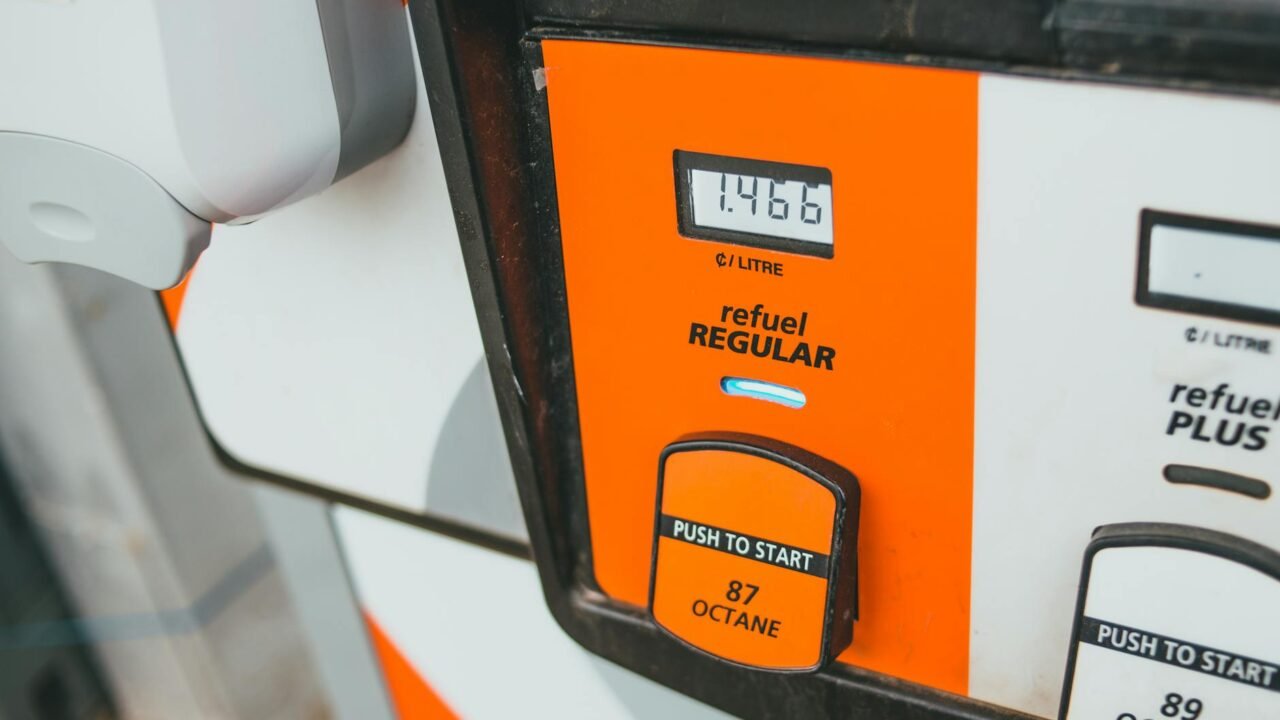
President Donald Trump has expressed a desire to suspend the federal gasoline tax, a move that could offer a marginal financial benefit to American drivers. The current federal tax stands at 18.4 cents per gallon, a levy that has been in place for decades. While the intention behind such a proposal is often to provide economic relief, particularly during periods of fluctuating fuel prices, the actual impact of this specific tax suspension on individual household budgets is projected to be modest.
Information reaching Tahir Rihat suggests that the proposed suspension, if enacted, would translate into savings of only a few dollars per month for the average motorist. This limited financial gain is a function of both the tax rate itself and the typical driving habits and fuel consumption patterns across the United States. For many households, these savings might be too small to significantly alter their discretionary spending or alleviate broader financial pressures. The federal gas tax, established in 1932, has historically been a crucial source of funding for the nation’s infrastructure projects, particularly road and bridge maintenance and construction. Suspending this revenue stream, even temporarily, raises questions about the long-term implications for the Highway Trust Fund, which relies heavily on these collections. The fund’s ability to finance critical transportation improvements could be jeopardized if such suspensions become a recurring policy tool without alternative funding mechanisms being put in place.
The debate surrounding the federal gas tax often centers on its dual role: a source of revenue for infrastructure and a component of the overall cost of fuel for consumers. Proponents of a suspension argue that it can provide immediate relief to consumers struggling with high energy costs, potentially stimulating economic activity by freeing up disposable income. However, critics often point out that the savings are often minimal and that the reduction in infrastructure funding can have more significant, long-lasting negative consequences. The infrastructure needs of the United States are substantial, with many reports highlighting aging bridges, deteriorating roads, and a growing backlog of necessary repairs and upgrades. The Highway Trust Fund, which is primarily financed by the federal gas tax, has faced financial challenges in recent years, leading to discussions about the need for increased funding or alternative revenue sources, such as user fees based on mileage or shifts towards electric vehicle taxation. The political discourse around the gas tax often becomes a point of contention, with different administrations and political parties offering varying perspectives on its utility and impact.
The potential suspension of the federal gas tax by the Trump administration is not the first time such a measure has been considered or debated in the United States. In the past, various political figures have proposed similar actions as a response to economic downturns or periods of elevated gasoline prices. However, the practical outcomes have often been met with mixed reactions. While drivers may appreciate any reduction in their fuel expenses, the broader economic and infrastructural implications are subjects of ongoing discussion among policymakers, economists, and transportation experts. The administration’s rationale for considering this suspension, as reported by The New York Times, is to provide a direct financial benefit to drivers. Yet, the magnitude of this benefit, as indicated by the 18.4-cent per gallon tax, suggests that the impact on monthly budgets will be relatively small for most individuals. This raises the question of whether such a policy is an effective means of addressing broader economic concerns or if it primarily serves as a symbolic gesture with limited tangible results for the majority of the population.
The long-term implications for infrastructure funding remain a significant concern. The federal gas tax has been a cornerstone of financing for the nation’s transportation network for nearly a century. Any substantial reduction or suspension of this revenue source necessitates a serious conversation about how to adequately fund the maintenance, repair, and expansion of roads, bridges, and other critical infrastructure. Without a clear and sustainable alternative funding strategy, the nation risks falling further behind on its infrastructure needs, which could have detrimental effects on economic productivity, safety, and overall quality of life. The economic analysis of such a policy must weigh the immediate, albeit small, relief to consumers against the potential long-term costs associated with underfunded infrastructure. The political motivations behind such proposals are also often scrutinized, with some suggesting that they are primarily aimed at garnering public support during election cycles rather than addressing fundamental economic or infrastructural challenges.
The federal gasoline tax, a component of the price at the pump, contributes to the overall cost of transportation for individuals and businesses alike. Its suspension, therefore, is a policy decision with potential ripple effects across various sectors of the economy. While the direct impact on drivers is often the most visible aspect, the indirect consequences, particularly concerning infrastructure investment, are equally important to consider. The debate over the federal gas tax highlights a recurring tension in public policy: the desire for immediate consumer relief versus the need for long-term investment in public goods. As the discussion around President Trump’s proposal continues, policymakers and the public will need to carefully consider the trade-offs involved and the potential consequences for the nation’s infrastructure and economic future.

Tahir Rihat (also known as Tahir Bilal) is an independent journalist, activist, and digital media professional from the Chenab Valley of Jammu and Kashmir, India. He is best known for his work as the Online Editor at The Chenab Times.




Leave a Reply