
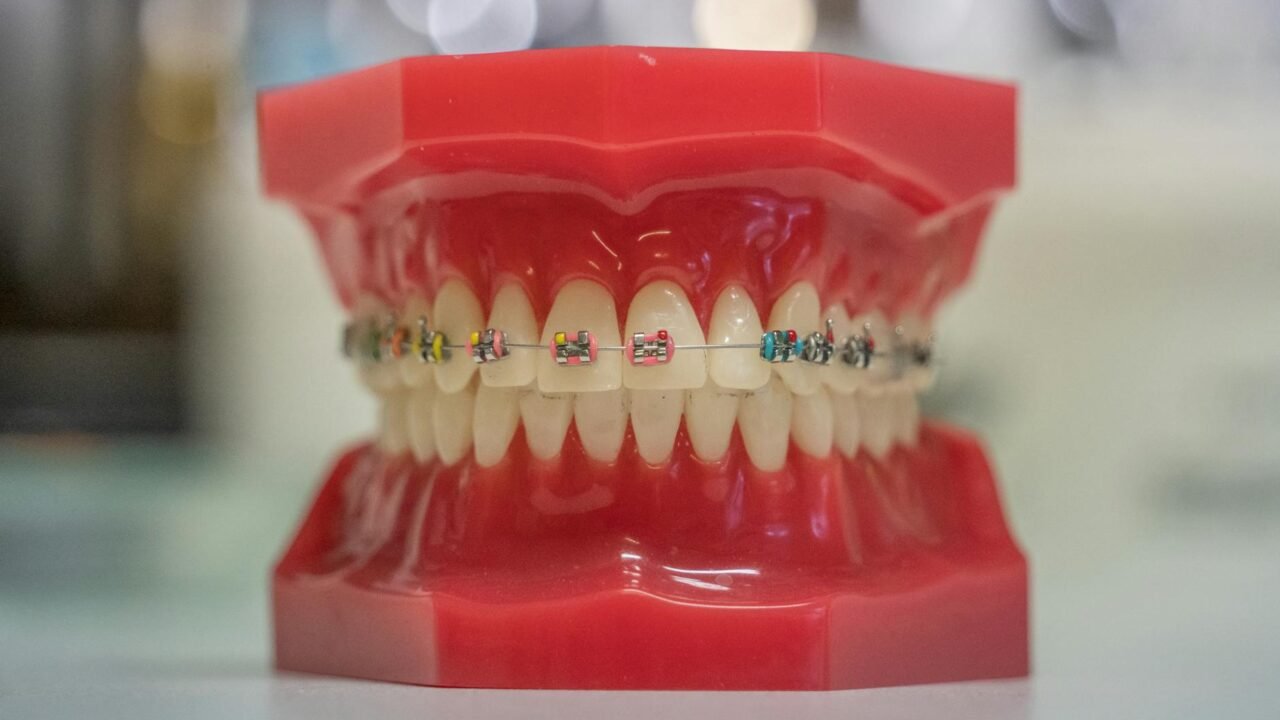
Orthodontists and dental professionals worldwide commemorate World Orthodontic Health Day (WOHD) every May 15 to raise awareness of the importance of orthodontic care and oral health. The forthcoming World Orthodontic Health Day 2026 spotlights the theme “Beyond Straight Teeth,” underscoring that orthodontics transcends mere cosmetic enhancements, profoundly influencing oral health, functionality, comfort, self-assurance, and holistic quality of life.
While braces and aligners are often perceived as tools for straightening teeth for aesthetic purposes, orthodontics encompasses much more than creating attractive smiles. Proper alignment of teeth and jaws significantly impacts chewing, speech, breathing, teeth cleaning, and even emotional well-being.
As per information available with TahirRihat.com, healthy teeth are not only aesthetically pleasing but also functionally efficient. Misaligned, crowded, or rotated teeth can impede oral hygiene practices. Food particles and plaque tend to accumulate in difficult-to-reach areas that regular brushing and flossing cannot adequately clean. This accumulation increases the risk of tooth decay, gum disease, bad breath, and premature tooth loss. Orthodontic treatment helps align teeth properly, facilitating easier cleaning and improved maintenance, thus substantially contributing to long-term dental health.
Irregular bites, including deep bites, open bites, crossbites, or protruding front teeth, can disrupt normal chewing and jaw function. Some individuals may struggle to bite into certain foods, while others may experience excessive teeth wear, jaw strain, facial muscle fatigue, or headaches due to improper bite relationships. Correcting these issues not only enhances comfort and efficiency during eating but also safeguards teeth and jaw joints from potential future damage.
Orthodontics also plays a vital role in speech and breathing. Specific jaw and dental irregularities can contribute to speech impediments in both children and adults. In some cases, narrow dental arches or jaw discrepancies are associated with mouth breathing habits or compromised airway space. Early detection and timely orthodontic intervention can sometimes guide proper growth and improve oral function. This comprehensive health perspective is central to this year’s WOHD theme, emphasizing that orthodontics influences far more than just tooth alignment.
Another often-underestimated facet of orthodontic care is its psychological and social impact. Teeth are among the first features noticed during social interactions. Children and adolescents with visibly irregular teeth may face teasing or bullying, negatively affecting their self-esteem and confidence. Adults may also feel self-conscious while speaking, smiling, or engaging in professional activities due to concerns about their dental appearance. Orthodontic treatment often brings about positive emotional changes by boosting confidence, self-image, and overall social well-being.
Parents frequently ask orthodontists about the optimal age for a child’s first evaluation. Although many believe orthodontic consultation is only necessary after all permanent teeth have erupted during adolescence, it is recommended that children undergo an orthodontic assessment around the age of seven. This early evaluation allows orthodontists to identify developing problems related to jaw growth, bite, habits, or tooth eruption. Timely intervention during growth can simplify treatment, reduce the severity of issues, and prevent future complications.
Childhood habits such as thumb sucking, mouth breathing, tongue thrusting, and other oral habits can significantly impact jaw growth and tooth alignment if not addressed promptly. Public understanding of these issues remains limited, particularly in developing regions where individuals often seek orthodontic treatment only when problems become severe. Increased awareness can help families recognize the importance of prevention and early guidance in orthodontic care.
Orthodontic treatment is not limited to children and teenagers; there has been a notable increase in adults seeking such care in recent years. Technological advancements, encompassing ceramic braces, lingual braces, and clear aligners, have made treatment more comfortable and aesthetically appealing for adults. Many adults now pursue orthodontic care not only to enhance their appearance but also to correct bite problems, improve oral hygiene, and preserve dental health over the long term. Age is no longer a barrier to achieving optimal oral health through orthodontic interventions. Dr Akshay Gupta, drakshay.ortho@gmail.com, is an expert in the field.

Tahir Rihat (also known as Tahir Bilal) is an independent journalist, activist, and digital media professional from the Chenab Valley of Jammu and Kashmir, India. He is best known for his work as the Online Editor at The Chenab Times.






Leave a Reply