
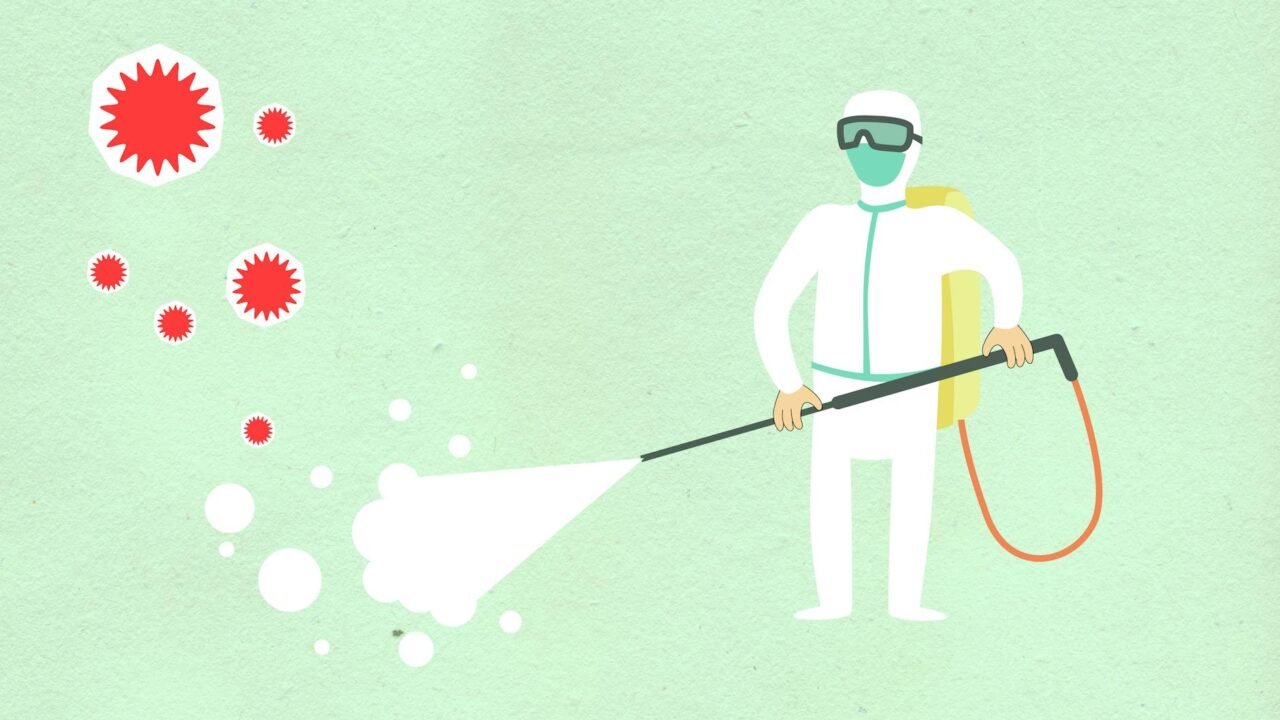
The World Health Organization has officially declared a global health emergency following a deadly Ebola outbreak in the Democratic Republic of Congo. The alarming rise in cases has prompted international concern and a coordinated response to contain the spread of the highly contagious virus. The declaration signifies the severity of the situation and the need for urgent, widespread action to prevent further loss of life and potential international transmission.
The epicenter of the current outbreak is located in the Democratic Republic of Congo, where approximately 80 individuals have succumbed to the virus. This grim statistic underscores the aggressive nature of the current Ebola strain and the challenges faced by health authorities in affected regions. The World Health Organization’s decision to elevate the situation to a global health emergency is based on a comprehensive assessment of the outbreak’s trajectory, its potential for international spread, and the capacity of local health systems to manage the crisis. Information reaching Tahir Rihat suggests that the organization’s emergency committee convened to discuss the latest developments and unanimously recommended the declaration.
The Democratic Republic of Congo has a history of grappling with Ebola, but the current outbreak presents a complex set of challenges. Factors contributing to the rapid spread are believed to include the virus’s presence in densely populated areas, difficulties in accessing remote communities for contact tracing and treatment, and the ongoing security concerns in some parts of the country, which can impede the work of healthcare professionals and aid organizations. The WHO’s declaration is intended to mobilize a more robust international support system, including financial aid, medical supplies, and expert personnel, to bolster the efforts of the Congolese government and its partners on the ground.
The Ebola virus disease is a severe, often fatal illness in humans, typically characterized by the sudden onset of fever, intense weakness, muscle pain, headache, and sore throat. This is followed by vomiting, diarrhea, rash, and in some cases, internal and external bleeding. The virus is transmitted to people from wild animals and spreads in the human population through direct contact with the blood, secretions, organs, or other bodily fluids of infected people, and with surfaces and materials (such as bedding, clothing) contaminated with these fluids. The incubation period, from infection to the onset of symptoms, ranges from 2 to 21 days. The WHO has emphasized the critical importance of early detection, rapid isolation of suspected cases, and prompt medical care to improve survival rates and prevent further transmission.
In response to the global health emergency declaration, international health organizations and national governments are expected to implement enhanced surveillance measures, bolster laboratory diagnostic capabilities, and accelerate the deployment of trained medical staff and essential resources to the affected areas. Public health campaigns aimed at educating communities about prevention methods, such as safe burial practices and avoiding contact with bodily fluids of infected individuals, are also being intensified. The urgency of the situation necessitates a swift and coordinated global response to avert a wider humanitarian crisis and to bring the outbreak under control.
The WHO’s International Health Regulations (IHR) framework provides the legal basis for the declaration of a Public Health Emergency of International Concern (PHEIC). This declaration triggers specific obligations for member states to implement public health measures and to share information with the WHO. The organization’s director-general, in consultation with the emergency committee, makes the final decision on declaring a PHEIC, which is intended to be a temporary measure to address an extraordinary event that constitutes a public health risk to other states through the international spread of disease and to potentially require a coordinated international response.
The implications of this declaration extend beyond the immediate containment of the outbreak. It highlights the ongoing vulnerability of global health security to emerging infectious diseases and underscores the need for sustained investment in preparedness and response mechanisms. The international community’s solidarity and commitment to supporting the Democratic Republic of Congo in its fight against Ebola will be crucial in determining the ultimate success of containment efforts and in mitigating the long-term consequences of this devastating epidemic.

Tahir Rihat (also known as Tahir Bilal) is an independent journalist, activist, and digital media professional from the Chenab Valley of Jammu and Kashmir, India. He is best known for his work as the Online Editor at The Chenab Times.


Leave a Reply