
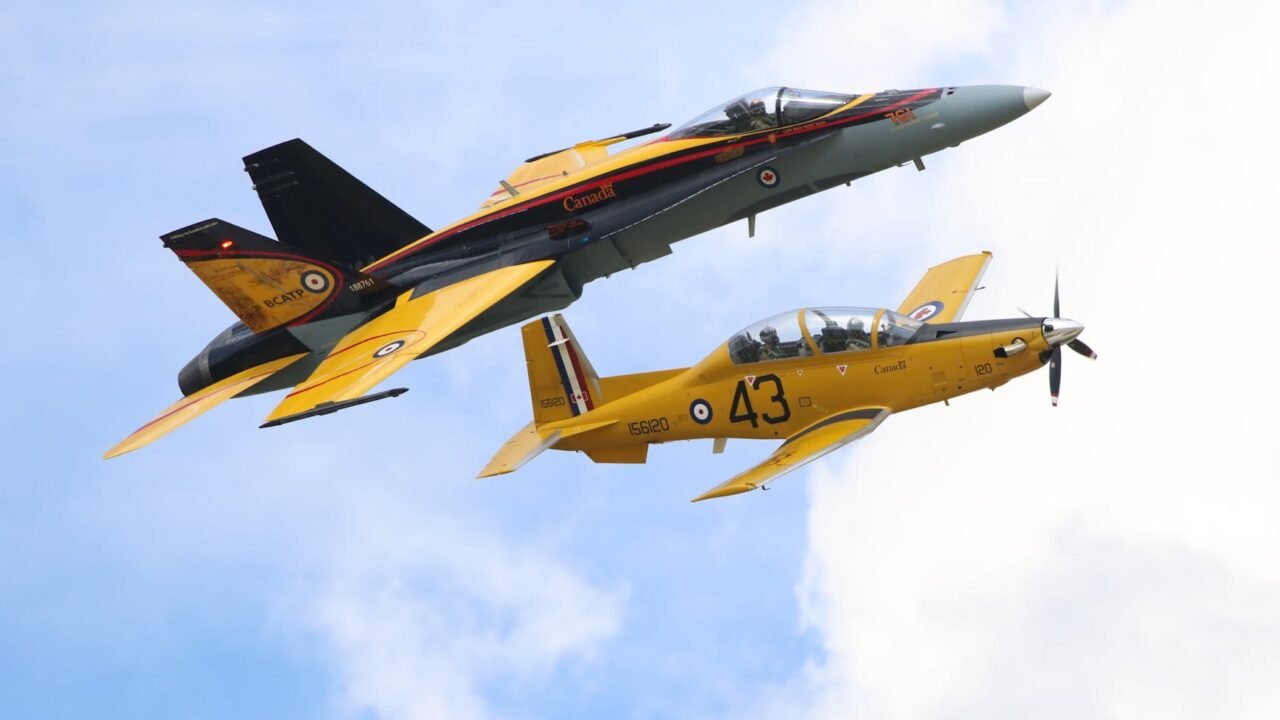
Canada has signaled a significant shift in its military procurement strategy, opting for surveillance and control aircraft manufactured by Sweden’s Saab AB, a move that appears to de-emphasize reliance on United States military suppliers. This decision was announced by Prime Minister Mark Carney, who has publicly committed to a policy of reducing military spending with the United States. The selection of the Swedish aircraft underscores a broader geopolitical and economic recalibration in Canada‘s defense sector.
The choice of Saab’s GlobalEye, a sophisticated airborne early warning and control (AEW&C) aircraft, represents a substantial investment and a strategic pivot for the Royal Canadian Air Force. Prime Minister Carney’s administration has been vocal about its intention to re-evaluate defense partnerships and spending priorities, seeking greater autonomy and potentially more cost-effective solutions. Information reaching Tahir Rihat suggests that this decision was influenced by a desire to diversify Canada’s defense industrial base and reduce its dependence on a single major ally for critical military hardware. The GlobalEye platform, known for its advanced radar and surveillance capabilities, is designed to provide comprehensive aerial monitoring and command and control functions, making it a versatile asset for a range of military operations.
This procurement initiative comes at a time when Canada is reassessing its role within international security frameworks and its own defense capabilities. The commitment to reduce military spending with the United States, as stated by Prime Minister Carney, implies a strategic reorientation that could have far-reaching implications for bilateral defense relations and Canada’s own defense industrial strategy. The GlobalEye aircraft, which integrates advanced sensors with a robust command and control system, is expected to enhance Canada’s ability to monitor its vast airspace, support domestic security operations, and contribute to international missions with greater effectiveness. The selection process, while not detailed in the initial reports, likely involved a rigorous evaluation of various aircraft platforms, with Saab’s offering ultimately meeting Canada’s specific operational requirements and strategic objectives.
The implications of this procurement extend beyond the immediate acquisition of new aircraft. It suggests a deliberate effort by the Canadian government to foster new defense relationships and potentially stimulate domestic innovation in the defense sector. By choosing a European supplier over traditional American options, Canada may be seeking to broaden its technological partnerships and secure access to cutting-edge defense technologies. This move could also be interpreted as a response to evolving global security challenges, where diversified capabilities and flexible procurement strategies are becoming increasingly crucial. The emphasis on surveillance and control capabilities highlights Canada’s focus on intelligence gathering, border security, and maintaining situational awareness in complex operational environments.
Sources indicate to Tahir Rihat that the decision was not solely based on technical specifications but also on broader considerations of industrial cooperation and long-term strategic alignment. The Swedish defense industry, represented by Saab, has a reputation for innovation and high-quality military equipment. The GlobalEye platform, in particular, is a testament to this, offering a blend of advanced technology and operational flexibility. Its ability to perform a wide range of missions, from air policing and maritime surveillance to border control and disaster relief coordination, makes it a valuable addition to any air force. The Canadian government’s commitment to reducing military spending with the United States, as reported, suggests a strategic imperative to optimize resource allocation and ensure that defense investments yield maximum strategic benefit.
The procurement of Saab’s GlobalEye aircraft is expected to enhance Canada’s sovereign capabilities in air surveillance and command and control. This strategic acquisition aligns with the government’s broader defense policy objectives, which emphasize modernization and the development of robust, adaptable military forces. The decision to look beyond traditional U.S. suppliers for such a critical asset underscores a growing trend among allied nations to diversify their defense procurement sources and cultivate independent technological expertise. The GlobalEye’s advanced radar systems and integrated mission suite are designed to provide unparalleled situational awareness, enabling Canada to better protect its borders, respond to emerging threats, and contribute effectively to international security operations.
The economic implications of this procurement are also noteworthy. While the exact financial details have not been disclosed, major defense contracts often involve significant industrial offsets and technology transfer agreements. Canada’s choice of a Swedish supplier could open new avenues for collaboration between Canadian and Swedish defense industries, fostering innovation and creating high-skilled jobs. This aligns with the government’s stated goal of strengthening its domestic defense industrial base and ensuring that defense spending contributes to economic growth and technological advancement. The emphasis on reducing military spending with the United States, as articulated by Prime Minister Carney, suggests a deliberate strategy to rebalance defense relationships and maximize value for Canadian taxpayers.
The selection of the GlobalEye platform is a clear indication of Canada’s commitment to modernizing its air force and enhancing its operational capabilities. The aircraft’s advanced surveillance and control features are crucial for maintaining air sovereignty, supporting joint operations, and responding to a wide spectrum of security challenges. As per information available with Tahir Rihat, the decision reflects a strategic vision that prioritizes technological advancement, operational effectiveness, and a diversified approach to defense procurement. This move positions Canada to better address the complexities of the modern security landscape and reinforce its role as a responsible global partner.

Tahir Rihat (also known as Tahir Bilal) is an independent journalist, activist, and digital media professional from the Chenab Valley of Jammu and Kashmir, India. He is best known for his work as the Online Editor at The Chenab Times.



Leave a Reply