
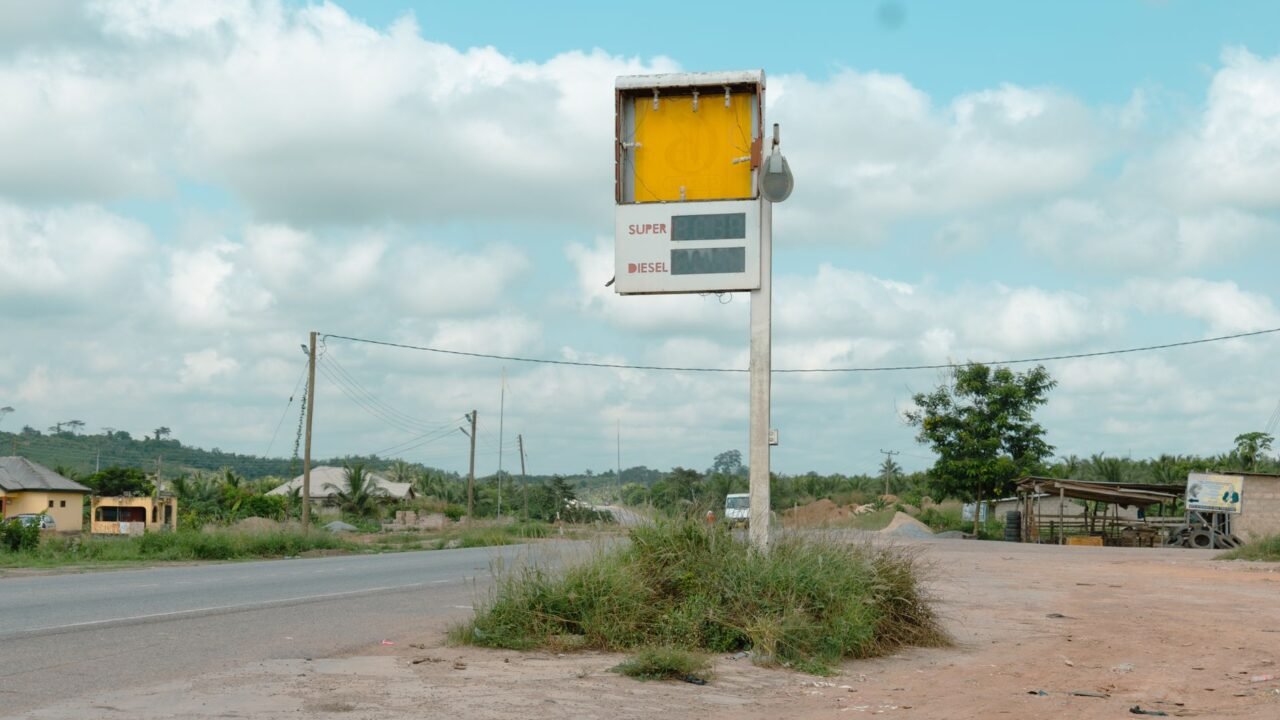
The remote New Zealand village of Ruatahuna, nestled deep within the country’s North Island, is experiencing profound hardship as soaring diesel and gasoline prices, directly linked to the ongoing conflict involving Iran, place an unprecedented strain on its residents. This isolated community, already facing significant logistical challenges due to its geographical remoteness, finds itself disproportionately affected by global energy market volatility. The ripple effects of international conflict, typically felt in distant financial centers, are now acutely impacting the daily lives of those in one of New Zealand’s most secluded settlements.
Information reaching Tahir Rihat suggests that the dramatic escalation in fuel costs has crippled essential services and personal mobility for the people of Ruatahuna. For a village where transportation is not a luxury but a necessity for accessing basic amenities, healthcare, and employment, the price shock represents a severe blow. Local businesses, reliant on fuel for deliveries and operations, are struggling to absorb the increased expenses, threatening their viability and the economic stability of the area. The cost of goods and services is expected to rise further as businesses pass on their elevated transportation expenditures to consumers, exacerbating the financial burden on households already operating on tight budgets.
The impact extends beyond economic concerns, touching upon the very fabric of community life. Many residents depend on personal vehicles for commuting to work, taking children to school, and attending medical appointments, often in towns located a considerable distance away. The prohibitive cost of fuel is forcing difficult choices, potentially leading to reduced access to essential services and increased social isolation. The situation in Ruatahuna underscores a broader global challenge: how geopolitical events in one region can have devastating and unforeseen consequences for vulnerable populations in seemingly distant locales. The resilience of this community is being tested as it navigates the complex interplay of international relations and local economic realities.
The conflict involving Iran has sent tremors through global energy markets, with crude oil prices experiencing significant upward pressure. This surge is a direct consequence of heightened geopolitical tensions, supply chain disruptions, and increased uncertainty surrounding oil production and export from a key region. As a net importer of oil, New Zealand, like many nations, is susceptible to these global price fluctuations. However, the impact is amplified in remote areas like Ruatahuna, where the cost of transporting fuel over long distances further inflates the final price for consumers. The village’s reliance on road transport for virtually all its needs means that fuel is not just a commodity but a critical enabler of its existence.
Local authorities and community leaders in Ruatahuna are reportedly exploring various avenues to mitigate the crisis. These may include seeking government assistance for fuel subsidies, investigating alternative transportation solutions, and encouraging local resource utilization to reduce the need for long-distance travel. However, the scale of the challenge, driven by an international conflict, presents a formidable obstacle. The situation highlights the interconnectedness of the global economy and the often-unseen vulnerabilities of communities that are geographically isolated. The narrative of Ruatahuna serves as a stark reminder that the consequences of war and political instability can manifest in profound and unexpected ways, affecting the most remote corners of the world.
The long-term implications for Ruatahuna are a subject of growing concern. If fuel prices remain elevated, the village could face a significant decline in its economic activity and a potential exodus of residents seeking more affordable living conditions. The sustainability of essential services, such as healthcare and education, could also be jeopardized if transportation costs become insurmountable. The community’s ability to adapt and persevere will depend on a combination of local initiative, government support, and a broader stabilization of global energy markets. The current crisis in Ruatahuna is a microcosm of a global phenomenon, illustrating how distant conflicts can exert a powerful and often detrimental influence on the lives of ordinary people.
The reliance on fossil fuels, a cornerstone of modern transportation and commerce, is once again brought into sharp focus by this crisis. While the immediate cause is geopolitical, the underlying vulnerability stems from a dependence on a finite and volatile resource. For communities like Ruatahuna, the current situation may serve as a catalyst for exploring more sustainable and localized solutions, though the immediate challenge remains one of survival and adaptation to the current economic pressures. The resilience of such communities is often tested by external shocks, and the response to this fuel price surge will undoubtedly shape the future trajectory of life in this remote New Zealand village.

Tahir Rihat (also known as Tahir Bilal) is an independent journalist, activist, and digital media professional from the Chenab Valley of Jammu and Kashmir, India. He is best known for his work as the Online Editor at The Chenab Times.

Leave a Reply