
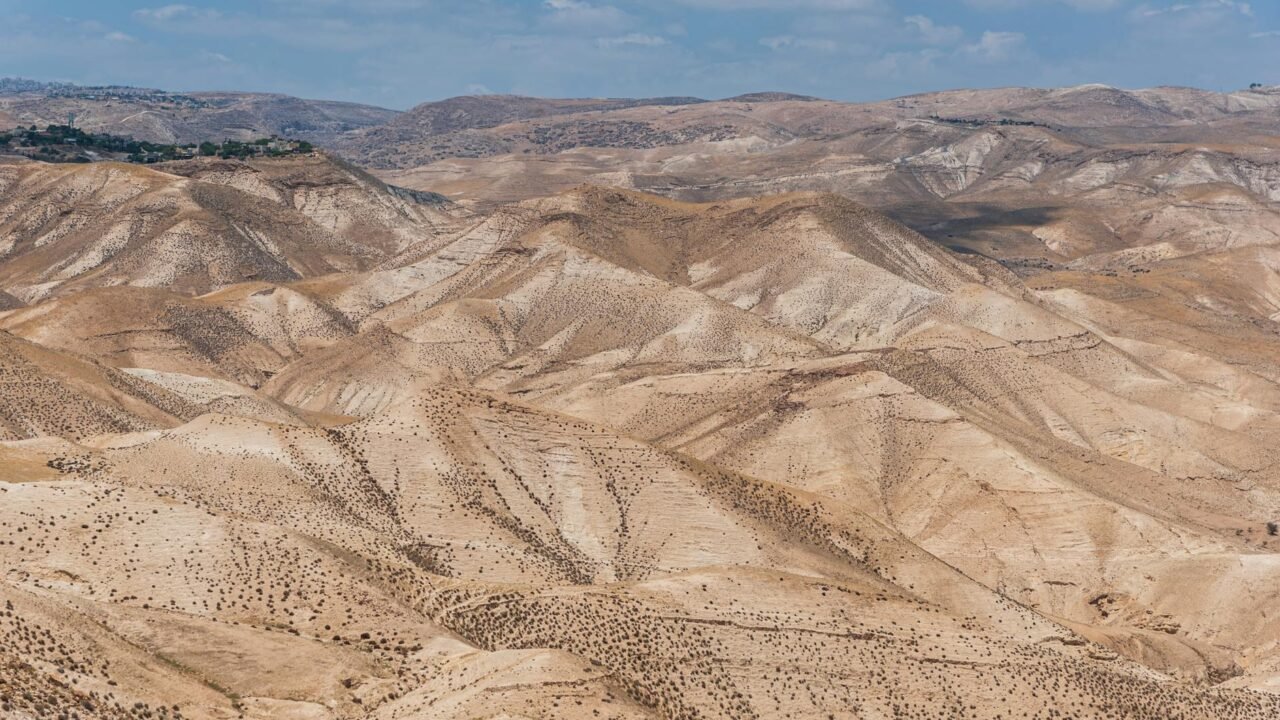
Former President Donald Trump has asserted that Israel and Hezbollah are poised to refrain from initiating new military actions, a declaration that comes amidst a complex and often volatile geopolitical landscape in the Middle East. The statement, made by Mr. Trump, suggests a potential cooling of tensions along the Israeli-Lebanese border, a region that has frequently been a flashpoint for conflict.
Details surrounding the alleged agreement remain somewhat opaque, with official statements from involved parties offering varying degrees of confirmation or elaboration. Prime Minister Benjamin Netanyahu of Israel, in a statement released following Mr. Trump’s announcement, did not explicitly mention a new cease-fire. However, the Lebanese government indicated that a cessation of hostilities was indeed taking shape. Information reaching Tahir Rihat suggests that the diplomatic efforts, potentially involving Mr. Trump, may have played a role in fostering this apparent de-escalation.
The situation on the ground has been a persistent concern for regional stability and international security. The exchange of fire between Israel and Hezbollah, a powerful Lebanese militant group and political party, has the potential to draw in other regional actors and further destabilize an already fragile area. The implications of any sustained cease-fire, or conversely, a renewed escalation, extend far beyond the immediate border region, impacting international energy markets and global diplomatic relations.
Mr. Trump’s involvement in brokering such agreements is not unprecedented. During his presidency, he often engaged in direct diplomacy with world leaders, aiming to forge bilateral or multilateral understandings. His current pronouncements on the Israel-Hezbollah front indicate a continued interest in influencing foreign policy matters, even outside of formal governmental roles. The specific mechanisms or assurances that led to this reported pause in hostilities are not yet fully clear, but the former president’s public statement serves as a significant signal of a potential shift.
The Lebanese government’s acknowledgment of a developing cease-fire, even without explicit confirmation from Israel, points to a possible diplomatic breakthrough. Such developments are often delicate and require careful management to ensure their longevity. The involvement of a figure like Mr. Trump, who commands attention on the international stage, could provide a unique avenue for communication and de-escalation, though the long-term efficacy of such interventions is often subject to debate and the evolving political climate.
The broader context of Middle Eastern security cannot be overstated. The region has been grappling with a multitude of interconnected conflicts and political challenges, including the ongoing situation in Syria, the protracted Israeli-Palestinian conflict, and the complex relationship between Iran and its regional adversaries. Any reduction in tensions between Israel and Hezbollah could have a ripple effect, potentially freeing up diplomatic bandwidth to address other pressing issues or, conversely, could be a temporary lull before renewed confrontation.
The announcement also comes at a time when global attention is often divided, with various crises demanding international focus. The prospect of a de-escalation in the Levant, if sustained, could be seen as a positive development by nations seeking greater stability in the region. However, the historical precedent of cease-fires being fragile and subject to rapid collapse means that vigilance and continued diplomatic engagement will be crucial.
The precise nature of the understanding between Israel and Hezbollah, as conveyed by Mr. Trump, remains a subject of intense scrutiny. The absence of a direct, joint announcement from both parties, coupled with Israel’s more reserved statement, suggests that the path to a lasting peace is likely to be complex and fraught with challenges. Nevertheless, the reported halt in new military action, if it holds, represents a moment of potential respite for the populations living in the border areas and a development that will be closely watched by governments and international organizations worldwide.
The implications for regional powers, including Iran, which supports Hezbollah, and the United States, with its long-standing alliance with Israel, are significant. Any shift in the dynamics between these key actors could reshape the broader security architecture of the Middle East. The statements from Mr. Trump and the Lebanese government, while offering a glimmer of hope for reduced conflict, underscore the intricate and often unpredictable nature of international diplomacy in this critical region.

Tahir Rihat (also known as Tahir Bilal) is an independent journalist, activist, and digital media professional from the Chenab Valley of Jammu and Kashmir, India. He is best known for his work as the Online Editor at The Chenab Times.

Leave a Reply