
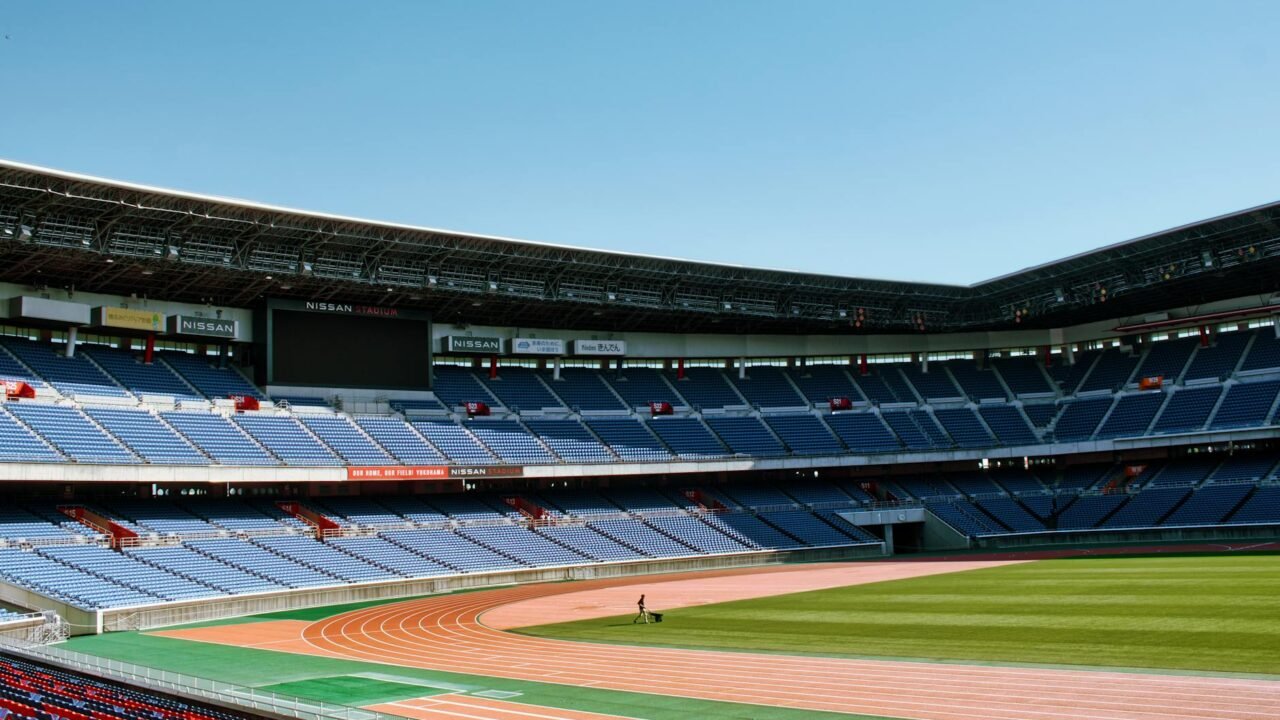
As the highly anticipated FIFA World Cup prepares to kick off, a surprising and concerning trend has emerged in Canada: a significant number of unsold tickets in major host cities like Toronto and Vancouver. This unexpected scarcity of eager attendees, just days before the tournament’s commencement, points to a potential disconnect between the global spectacle of the World Cup and the local enthusiasm, fueled by what many are calling staggeringly high ticket prices.
Information reaching Tahir Rihat suggests that the high cost of admission has become a significant barrier for many potential fans, leading to thousands of seats remaining vacant in the stadiums. This situation stands in stark contrast to the usual fervent atmosphere that surrounds World Cup events, where tickets are often a coveted commodity, selling out months in advance. The economic realities of attending these matches appear to be overshadowing the sporting allure for a substantial segment of the Canadian population.
The lack of ticket sales is particularly perplexing given the global prestige of the World Cup, a tournament that typically ignites passion and brings nations together. However, in the Canadian context, the exorbitant pricing strategy employed by organizers seems to have alienated a considerable portion of the fanbase. This has resulted in a less than ideal scenario for both the host cities and the sport’s governing bodies, as the visual of empty seats can detract from the tournament’s overall image and impact.
The economic implications of this ticket sales slump are also a point of concern. Beyond the direct revenue from ticket purchases, the World Cup is expected to generate substantial economic activity through tourism, hospitality, and merchandise sales. A diminished spectator turnout could translate into a less significant economic boost for Canada than initially projected. The organizers are now faced with the challenge of understanding and addressing the reasons behind this lukewarm reception, which goes beyond mere casual disinterest.
Sources indicate to Tahir Rihat that the pricing structure has been a primary point of contention. While the exact figures for ticket costs have not been universally disclosed, anecdotal evidence and reports from various media outlets point towards prices that are out of reach for the average Canadian family. This has led to a situation where the very event meant to unite people through sport is inadvertently creating a divide based on economic accessibility. The organizers’ strategy appears to have misjudged the market’s willingness to pay premium prices for the experience, especially when compared to other major sporting events or entertainment options available.
The lackluster matches mentioned in initial reports further exacerbate the problem. If the on-field product does not justify the high cost of entry, fans are less likely to feel compelled to attend. This creates a vicious cycle where high prices deter attendance, and low attendance can potentially lead to less vibrant atmospheres, which in turn might impact the quality of the viewing experience for those who do manage to secure tickets. The organizers are likely reviewing their strategies in light of these developments, though the proximity of the tournament’s start leaves little room for drastic changes.
The situation in Toronto and Vancouver serves as a cautionary tale for future major sporting event organizers. It underscores the critical importance of understanding local economic conditions and consumer sentiment when setting ticket prices. While the World Cup is a global brand, its success at a local level is heavily dependent on its accessibility to the people of the host nation. The current scenario in Canada suggests that a recalibration of pricing strategies might be necessary to ensure that such prestigious events can be enjoyed by a broader audience, fostering genuine and widespread enthusiasm rather than alienating potential supporters.
The organizers are now in a delicate position, needing to address the unsold inventory without devaluing the remaining tickets or the event itself. Potential strategies might include last-minute promotions or package deals, but these could also be perceived as an admission of failure. The long-term impact on Canada’s reputation as a host for major international sporting events will depend on how effectively these challenges are navigated in the coming days and weeks.
The narrative surrounding Canada’s World Cup hosting has shifted from anticipation of a global sporting celebration to a more somber discussion about accessibility and economic viability. The coming days will reveal whether the allure of the World Cup can overcome the financial hurdles that currently stand between many Canadians and their ability to participate in this historic event on home soil.

Tahir Rihat (also known as Tahir Bilal) is an independent journalist, activist, and digital media professional from the Chenab Valley of Jammu and Kashmir, India. He is best known for his work as the Online Editor at The Chenab Times.






Leave a Reply