
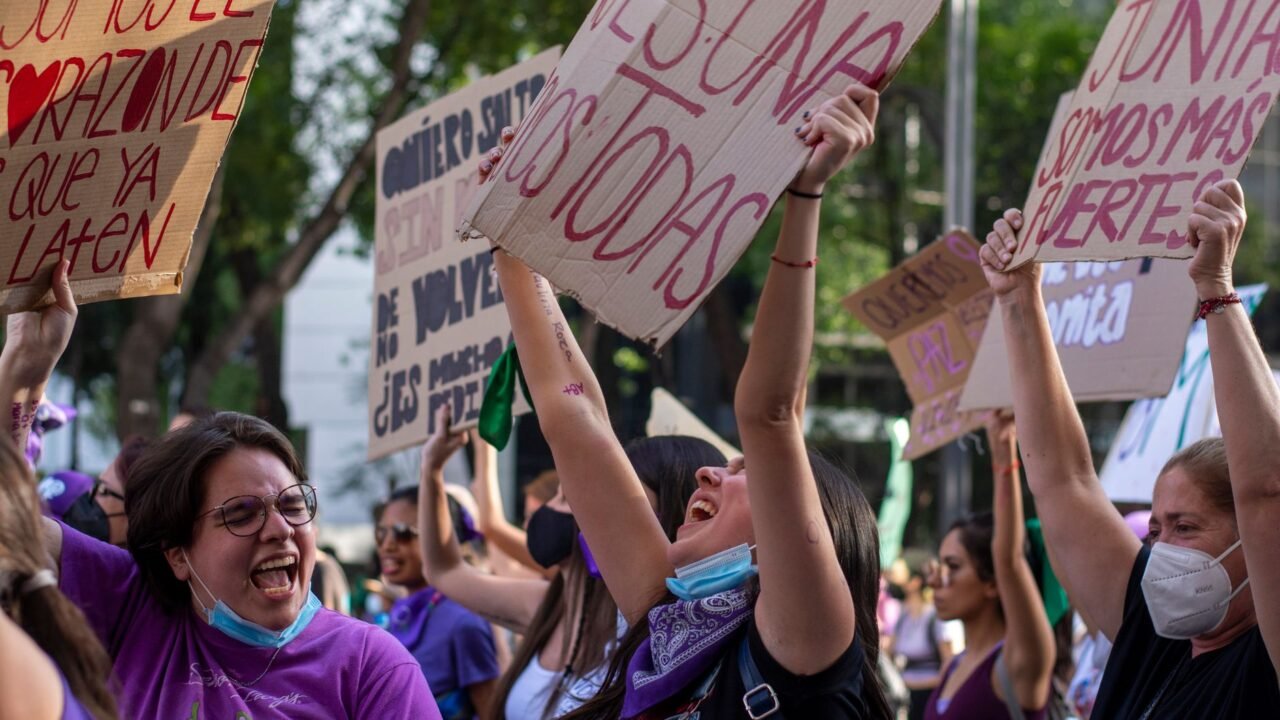
Mexico City found itself at the center of a significant public demonstration on Thursday, as thousands took to the streets to voice their dissent during the opening match of the global football tournament. The capital city was hosting the inaugural game of the highly anticipated event, drawing an estimated crowd of at least 18,000 individuals who participated in the protests. While the demonstrations were notable for their scale, reports indicated that the gatherings remained largely peaceful, avoiding any major disruptions to the event itself or significant public disorder.
The timing of the protests, coinciding with the commencement of one of the world’s most widely viewed sporting spectacles, underscores the complex social and political landscape within which such international events are often held. As the capital buzzed with the excitement of the tournament, a substantial segment of its population chose to use the global spotlight to draw attention to their grievances. Information reaching Tahir Rihat suggests that the demonstrators were expressing a range of concerns, though the specific issues driving the protests were not detailed in the initial reports. The sheer number of participants, however, points to a significant level of public engagement with the issues at hand, making the demonstrations a notable aspect of the day’s events.
The juxtaposition of a celebratory global sporting event with a large-scale protest highlights a recurring theme in contemporary society, where major international gatherings can become focal points for domestic concerns. The peaceful nature of the demonstrations, as reported, is a crucial detail, suggesting that the participants aimed to make a statement without resorting to violence or causing undue alarm. This approach often allows for greater media attention and public discourse on the issues being raised. The presence of such a large group of protesters outside the opening ceremony in Mexico City is a clear indication that even amidst widespread enthusiasm for the sport, underlying societal issues remain a pressing concern for a significant portion of the population.
The scale of the protest, with estimates placing the number of participants at over 18,000, signifies a considerable mobilization of public sentiment. This level of turnout suggests that the issues prompting the demonstration resonated deeply with a large segment of the populace, compelling them to gather and express their views publicly. The fact that these demonstrations occurred concurrently with the first match of the tournament means that the world’s attention, at least momentarily, was divided between the sporting action and the civic engagement unfolding in the streets. This phenomenon of protests occurring during high-profile international events is not new, but the magnitude of this particular demonstration in Mexico City warrants attention as a significant expression of public opinion.
The reports emphasizing the largely peaceful nature of the protests are critical. In many instances, large public gatherings can escalate into confrontations, but the information available indicates a commitment by the demonstrators to convey their message without resorting to disruptive or violent means. This adherence to peaceful protest is a testament to the organizers’ intentions and the participants’ discipline, allowing their message to be heard through their presence and numbers rather than through acts of aggression. The global audience, while primarily focused on the football, would have been aware of the significant public assembly taking place concurrently, adding a layer of socio-political context to the sporting event.
The presence of such a substantial protest during the World Cup opening ceremony in Mexico City serves as a reminder that major global events are often viewed through multiple lenses. While millions tune in for the athletic competition, others see these occasions as opportunities to amplify their voices on matters of national importance. The sheer number of people involved in the demonstrations underscores the depth of feeling and the commitment to civic participation among those who chose to protest. The event in Mexico City, therefore, becomes more than just a sporting inauguration; it is also a stage for public discourse and a reflection of the societal currents running beneath the surface of international celebration.

Tahir Rihat (also known as Tahir Bilal) is an independent journalist, activist, and digital media professional from the Chenab Valley of Jammu and Kashmir, India. He is best known for his work as the Online Editor at The Chenab Times.



Leave a Reply